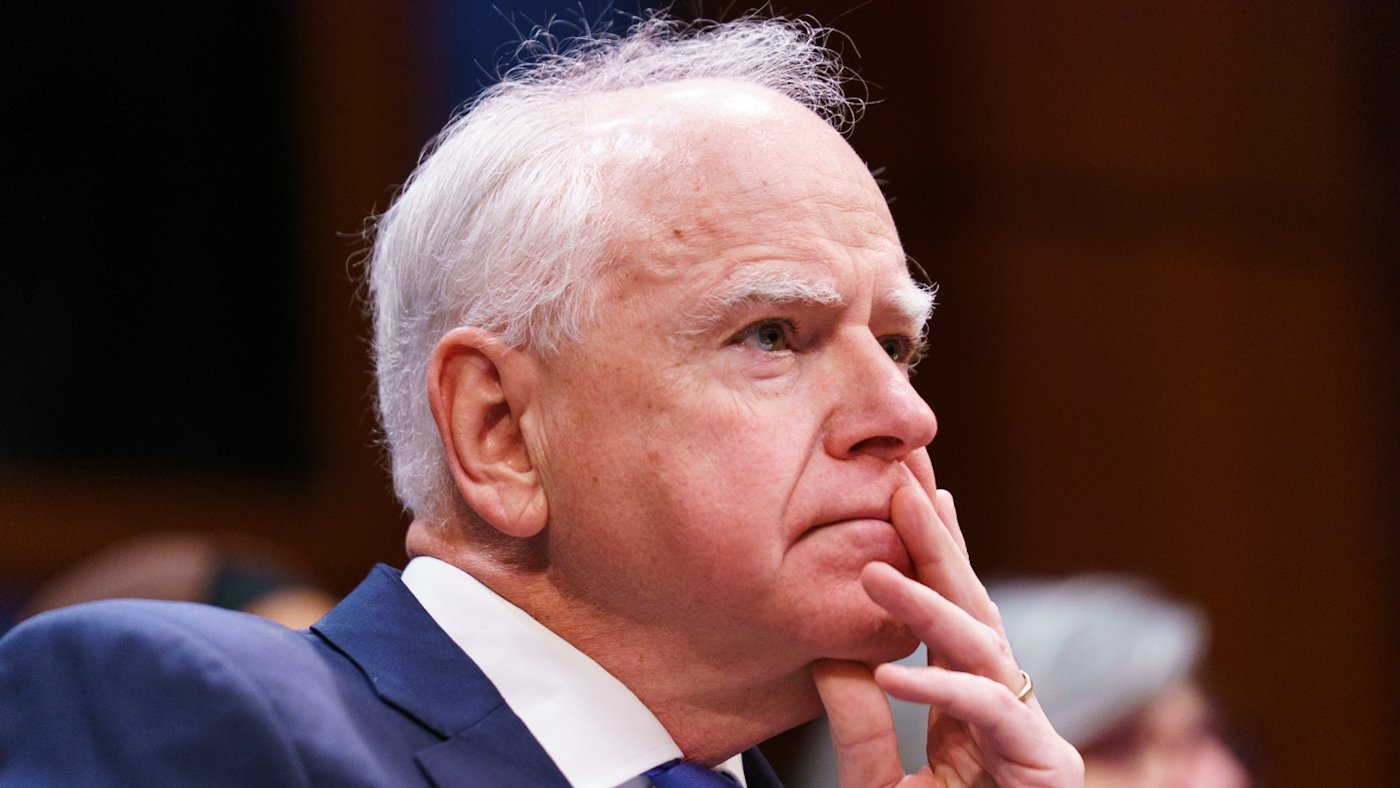
Minnesota Governor Tim Walz confirmed Thursday that he will participate in a "No Kings" rally in Minneapolis this weekend, positioning his attendance as a direct response to the Trump administration's large-scale immigration enforcement actions in the state earlier this year. In an interview with MSNBC's Chris Hayes, the Democratic governor stated the event represents a visible form of pushback and vowed that Minnesotans "will never forget what happened here."
Rally as Political Countermeasure
Walz framed the upcoming rally as part of a broader political strategy to challenge what he characterized as authoritarian overreach. "I think you'll see it very visibly in the No Kings rallies," Walz told Hayes, adding that "Minneapolis and Minnesota provided the template here for pushing back on this guy." The "No Kings" movement, which organized over 2,000 events on President Trump's birthday last June to protest what it calls "authoritarian power grabs," plans more than 3,000 affiliated events nationwide this Saturday.
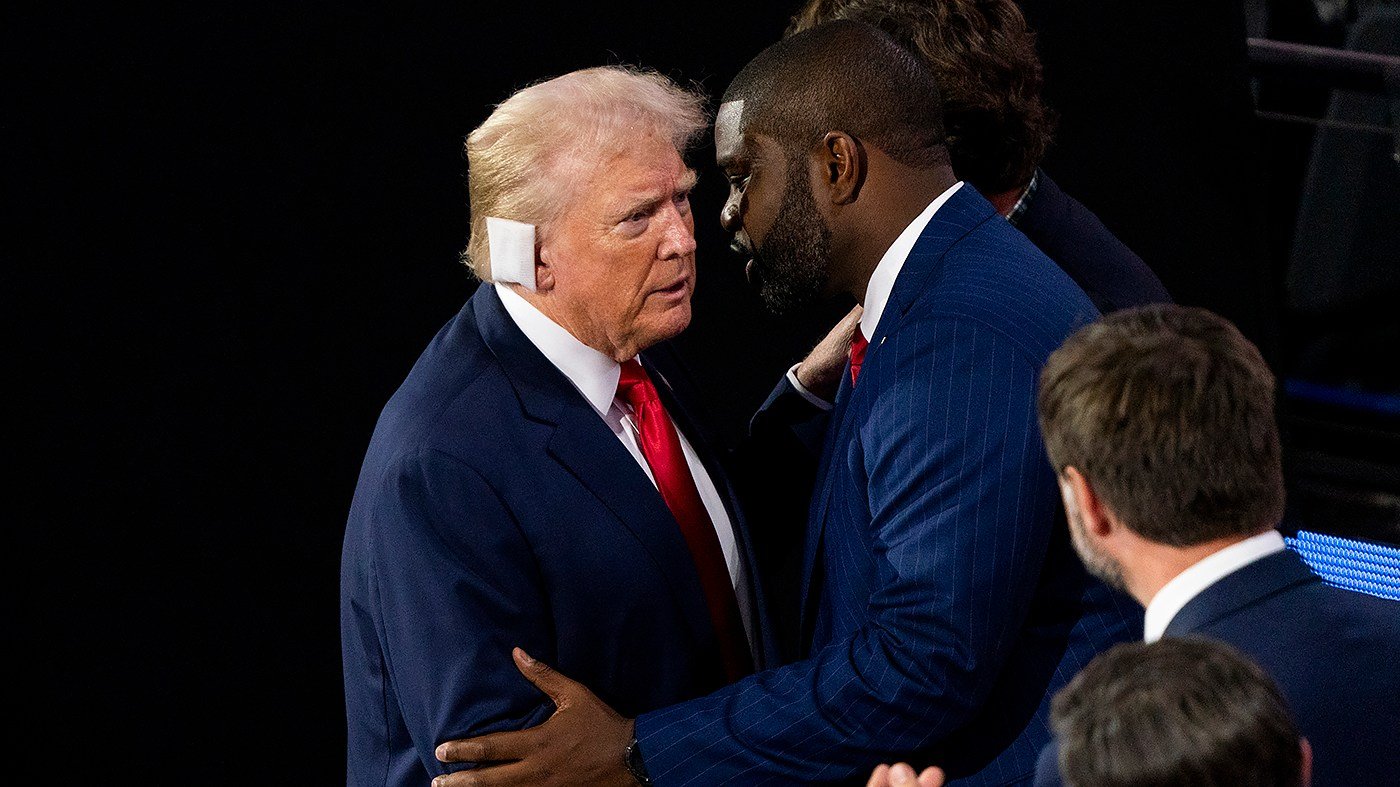
The governor's participation underscores how state-level Democratic leaders are leveraging grassroots movements to oppose federal policies. This comes as massive 'No Kings' protests target Trump policies on immigration and Iran, indicating a coordinated national effort.
Legacy of Operation Metro Surge
The rally follows the Department of Homeland Security's "Operation Metro Surge," which the agency described as its largest enforcement operation in history. The deployment of thousands of federal agents to Minnesota resulted in the shooting deaths of two state residents during the immigration crackdown, prompting Trump's border czar, Tom Homan, to announce an end to the operation in early February.
Walz described the federal operation as having "caused generational trauma" in Minnesota communities. "The good news is that nobody here is forgetting," he asserted, pointing to the state's ongoing litigation against the Trump administration as evidence of continued resistance.
Ongoing Legal and Political Battles
The political fallout from the operation continues to shape policy debates. Walz has demanded an investigation into former DHS Secretary Kristi Noem's handling of the enforcement actions. Meanwhile, Democratic legislators in Minnesota are withholding funding for the department until the administration agrees to several key reform demands regarding its immigration enforcement tactics. This legal confrontation is intensifying, as detailed in our report on how Minnesota escalates its legal fight with the feds over evidence in protestor shootings.
The personnel changes within DHS add another layer to the conflict. President Trump replaced Noem with former Senator Markwayne Mullin, citing concerns over a costly advertising campaign she authorized. This leadership shift occurs alongside other hardline administrative moves, such as the border czar's vow to end sanctuary cities, which further galvanizes opposition.
A Template for Resistance
Governor Walz explicitly presented Minnesota's response as a model for other states. His commitment extends beyond the weekend's rallies, encompassing a sustained political and legal strategy. "'Till the final days of this administration and beyond, Minnesotans will ask for justice," Walz declared. "We demand it. We have to do that."
This stance aligns with a broader Democratic strategy of using state authority to counter federal initiatives, a dynamic also seen in policy areas like healthcare, where figures like Senator Hawley advance their own agendas, as seen with Hawley's mifepristone ban gaining momentum. The "No Kings" movement, which will feature high-profile participants like Bruce Springsteen at a headline anti-Trump rally in Minnesota, serves as both a symbolic and organizational vehicle for this opposition.
The convergence of grassroots protest, gubernatorial action, and state-level legal challenges highlights a significant front in the ongoing political conflict over immigration enforcement and executive power. As Walz prepares to join the rally, his statements signal that the battle over the legacy and methods of Operation Metro Surge is far from over, ensuring it remains a flashpoint in national politics.