Israeli Minister Warns of Widening Campaign
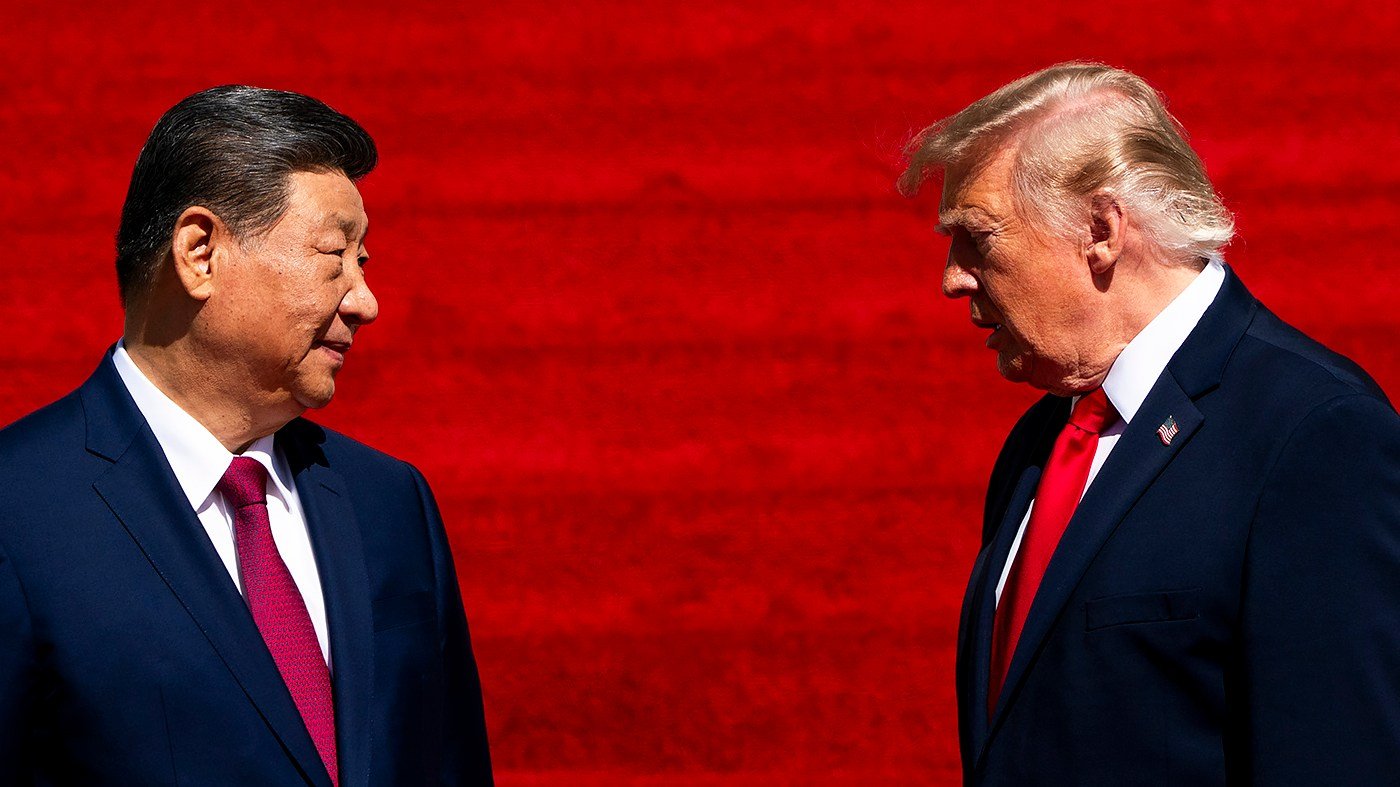
Israeli Defense Minister Israel Katz stated on Friday that military operations targeting Iran would "escalate and expand." This declaration followed President Trump's decision to extend a temporary halt on American strikes against Iran's energy infrastructure. Katz, in a statement, asserted that he and Prime Minister Benjamin Netanyahu had cautioned what he termed the "Iranian terrorist regime" to cease missile launches aimed at Israeli civilians.
"Despite the warnings, the firing continues – and therefore attacks in Iran will escalate and expand to additional targets and areas that assist the regime in building and operating weapons against Israeli citizens," Katz said, according to a report from The Associated Press.
Military Actions and Regional Tensions
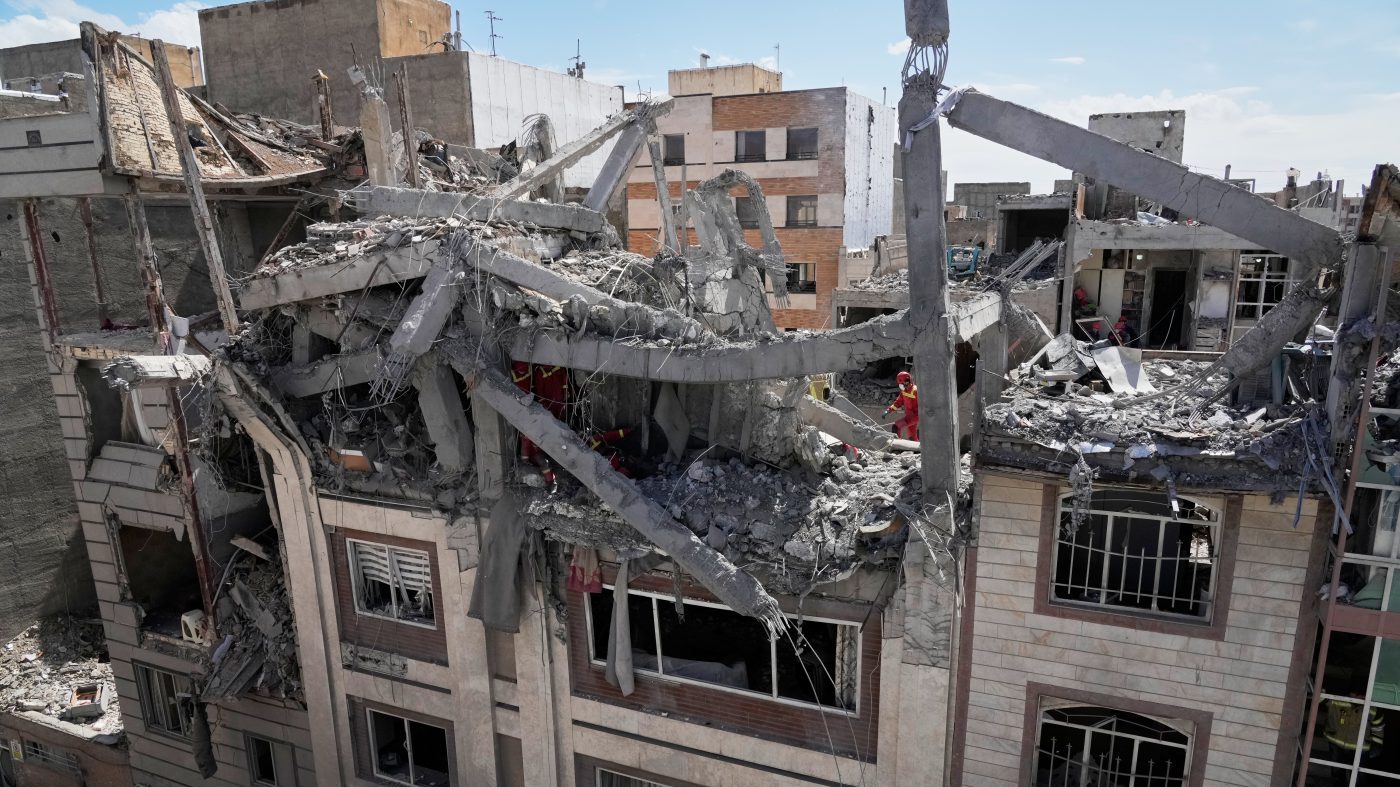
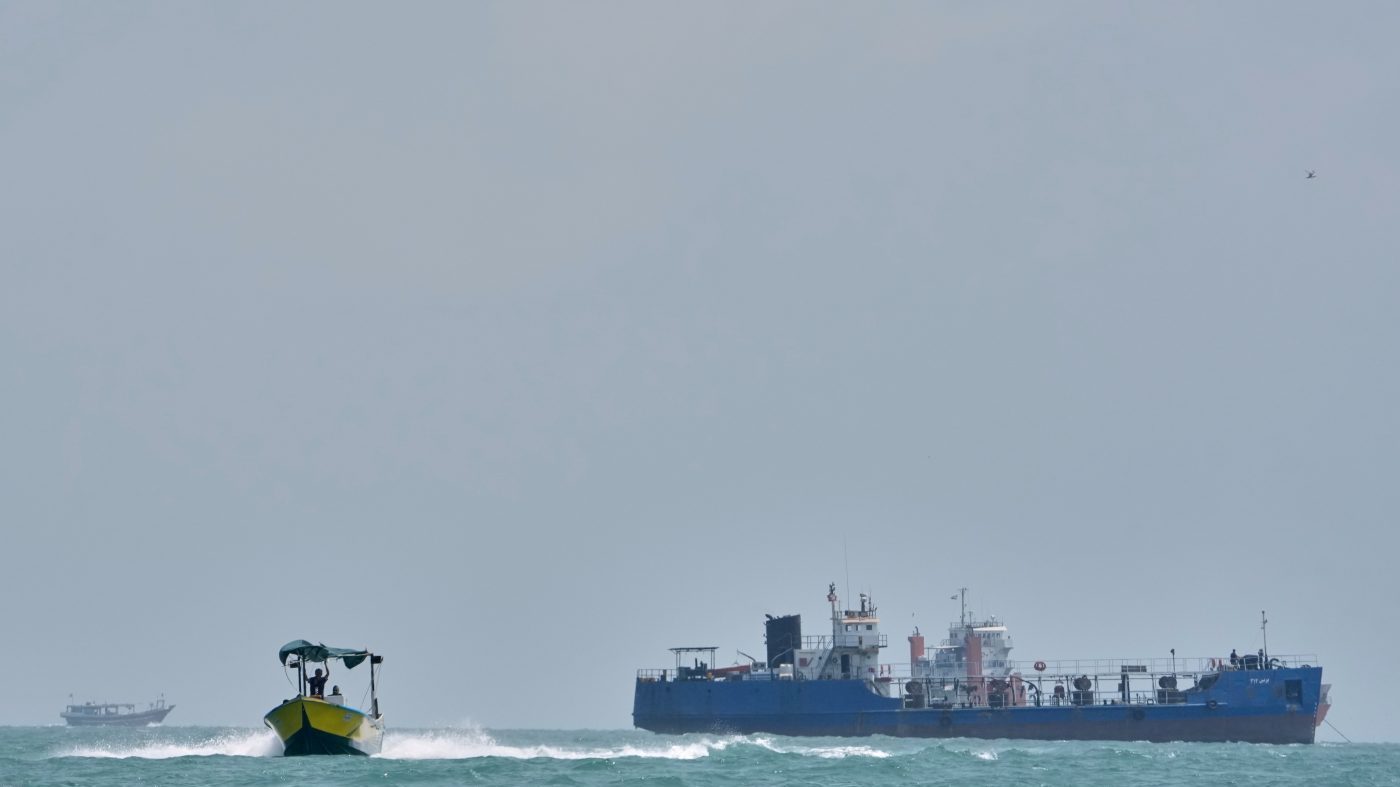
The Israel Defense Forces confirmed early Friday that it had struck a key Iranian facility in Yazd involved in missile and naval mine production. This ongoing exchange occurs against a backdrop of significant regional disruption, particularly in the Strait of Hormuz. The partial blockade of this critical waterway has driven global energy prices upward, with the Brent crude benchmark trading near $110 per barrel.
Complicating the situation, the secretary-general of a Gulf Arab coalition reported that Iran has begun imposing fees on commercial vessels to guarantee their safe transit through the strait.
Trump's Diplomatic Maneuvers
President Trump on Thursday pushed back his own deadline for Iran to reopen the strait, agreeing to a ten-day pause, until April 6, on strikes against Gulf energy infrastructure. His initial five-day ultimatum was set to expire Friday. "Talks are ongoing and, despite erroneous statements to the contrary by the Fake News Media, and others, they are going very well," the president posted on Truth Social.
Trump also told reporters at the White House that Iran had provided the U.S. with a "present" earlier in the week by permitting ten oil tankers to pass through the blocked passage. However, senior Iranian officials have publicly denied engaging in negotiations with the Trump administration, suggesting instead that the president "backed down" partly due to pressure from turbulent financial markets. This claim of diplomatic progress stands in contrast to recent criticism from foreign policy experts, such as when Haass criticized Trump's Iran strategy as unprepared and politically isolated.
Divergent Proposals for De-escalation
Tehran has formally rejected a 15-point U.S. ceasefire proposal that, according to Pakistani officials briefed on the matter, addressed sanctions relief, a rollback of Iran's nuclear activities, limits on its missile programs, and the reopening of the Strait of Hormuz. Iran has instead presented its own set of demands to end the conflict, creating a stalemate in diplomatic efforts.
U.S. Military Buildup Continues
As the crisis approaches the one-month mark, the United States is significantly increasing its military footprint in the region, raising questions about the potential for American ground troop involvement. The Pentagon has accelerated the deployment of thousands of additional Marines and sailors to the Middle East and is reportedly preparing to send approximately 2,000 soldiers from the Army's elite 82nd Airborne Division. This military mobilization occurs as the administration faces domestic political challenges, including a scenario where Senate Democrats rejected a DHS funding bill, forcing Trump toward emergency action on other fronts.