Foreign Policy Veteran Delivers Scathing Assessment of Iran Approach
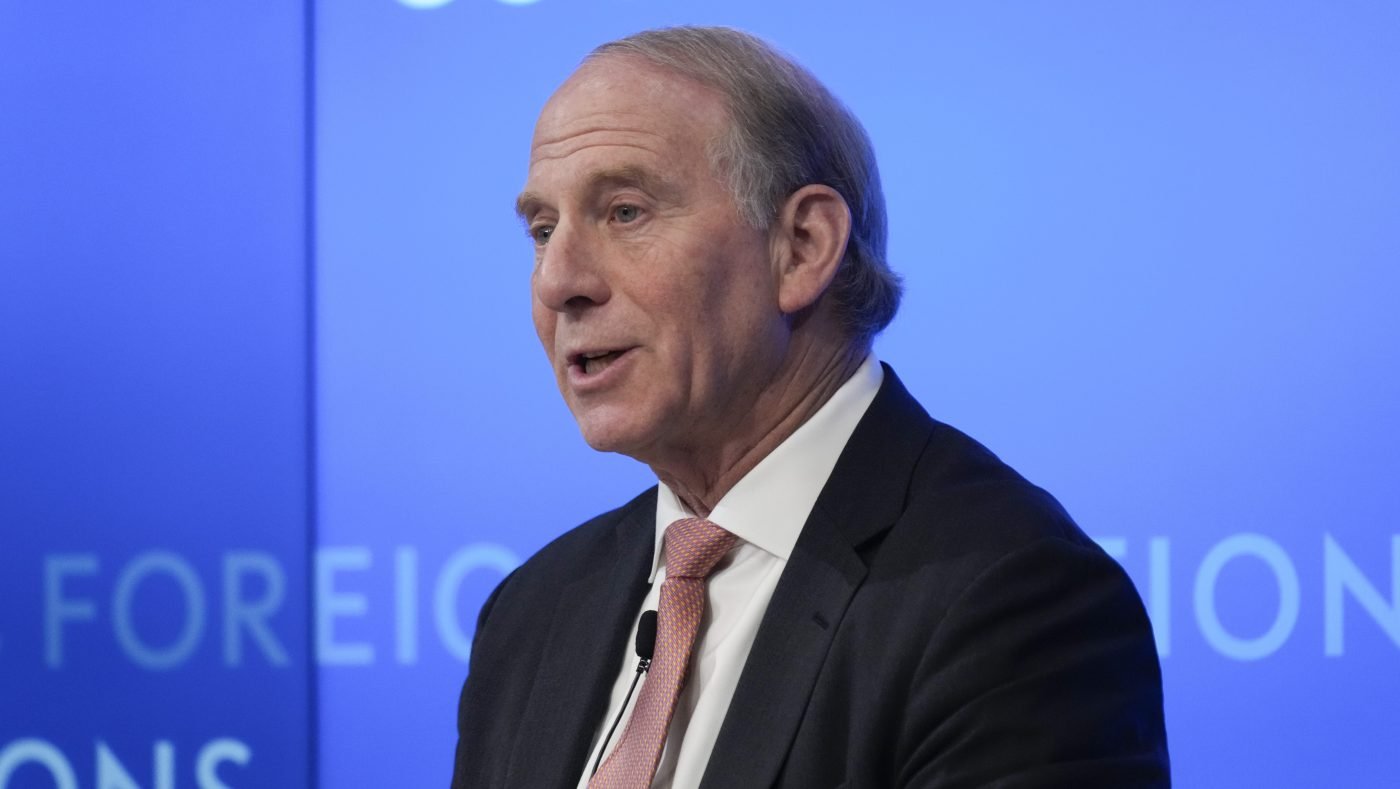
Richard Haass, the former president of the Council on Foreign Relations, delivered a pointed critique of the Trump administration's military strategy against Iran, arguing it suffers from a fundamental lack of preparation and political isolation. In an interview with CNN, Haass contended that launching operations without securing backing from Congress, the American public, or international allies has left the White House with no safety net.
"When you initiate military action without that foundational support and with objectives that are constantly shifting, you are essentially operating without any cushion," Haass stated. "If the situation deteriorates or becomes prolonged, who can you appeal to? What is your argument? This administration is now facing the consequences of that absence of preparation in every conceivable way."
Military Buildup Amid Strained Negotiations
The criticism comes as the United States and Israel conducted joint strikes on Iranian targets in late February, following the collapse of nuclear negotiations. President Trump has declined to rule out deploying ground forces, and this week moved to send 2,000 additional paratroopers to the U.S. Central Command region. This buildup occurs even as diplomatic channels remain open, highlighting the administration's dual-track approach of applying military pressure while pursuing talks.
Approximately 50,000 U.S. troops are already stationed in the Centcom area. A spokesperson confirmed that around 200 American service members have sustained injuries during recent operations, though the majority were described as minor. The military posture underscores the ongoing risks of the simmering conflict, even as the White House seeks a diplomatic off-ramp.
A 15-Point Proposal and Tehran's Demands
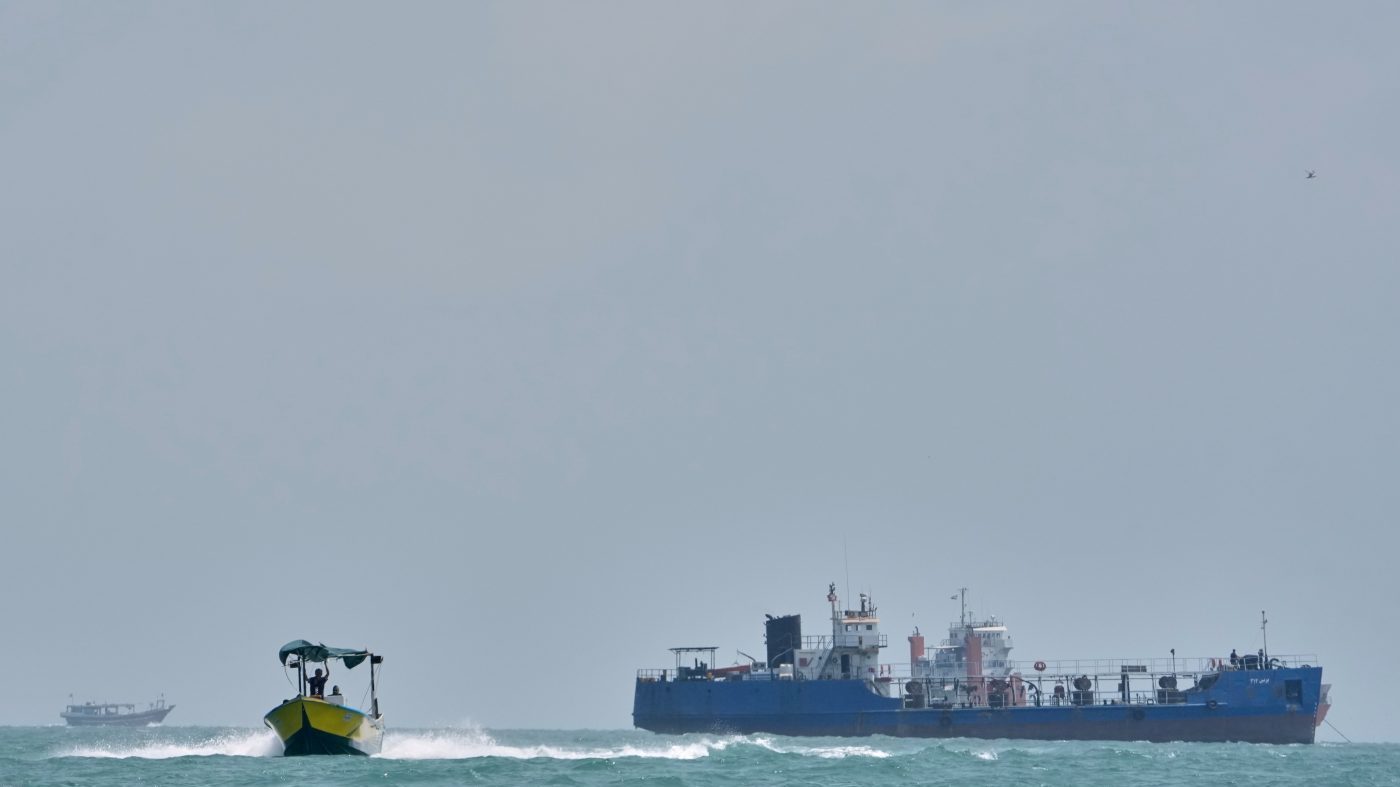
On the diplomatic front, Trump adviser Steve Witkoff confirmed that a 15-point peace proposal was delivered to Iranian officials through Pakistani intermediaries. Witkoff characterized the ongoing negotiations as "strong and productive." However, Tehran has responded with a set of demands, including full sovereignty over the strategic Strait of Hormuz, a complete halt to U.S. and Israeli military actions, and financial compensation for costs incurred during the hostilities. The gap between the two sides' positions suggests a challenging path to any agreement. For more context on the administration's diplomatic framework, see our report on the Cabinet's confirmation of the Iran peace proposal.
Haass's assessment finds an echo in criticism from other foreign policy hawks. Former National Security Advisor John Bolton told CNN that the stalled negotiations indicate the President is managing the conflict reactively. "I have a more general sense that things are being done on a day-by-day basis, that new plans are evolving, and it reflects a lack of strategic thinking before the attack began," Bolton said. This internal critique from figures typically aligned with a hardline stance highlights concerns over the operation's strategic coherence.
Broader Context of Pressure and Scrutiny
The administration's Iran policy unfolds against a backdrop of multiple domestic and international pressures. The conflict has already begun to ripple through global energy markets, with rising public concern over energy prices linked to the disruption. Internally, the White House continues to manage a full agenda, from Cabinet meetings dominated by Iran strategy to a range of domestic policy initiatives.
The critique from seasoned diplomats like Haass underscores a central tension in the administration's foreign policy: the use of military force without a clear, sustained political strategy to support it. As negotiations remain, in the words of Senator Marco Rubio, "fluid," the administration must navigate the consequences of an approach that experts warn was launched without sufficient preparation or political capital.