Public concern about energy costs has edged upward as military conflict between the United States, Israel, and Iran continues to disrupt global oil markets, according to new polling data from Gallup. The survey, conducted in early to mid-March, reveals a shift in economic anxieties directly tied to the volatile security situation in the Persian Gulf.
Economic Anxieties Top Voter Concerns
The poll found that a combined 32% of Americans identify various economic issues as the nation's most pressing problem, with 15% specifically citing the "economy in general" as their primary concern. While still a relatively small portion of the electorate, the number of respondents who named fuel and oil prices as the top problem doubled to 2% this month, up from zero percent in February. This marks the first time since August that any measurable portion of the public has singled out energy costs in this monthly survey.
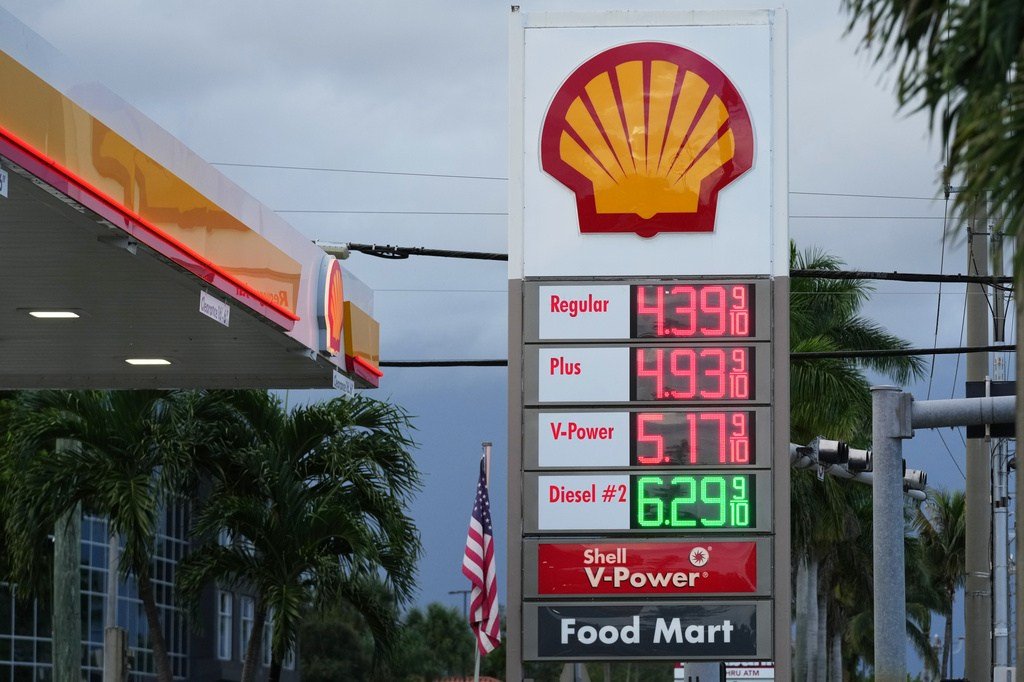
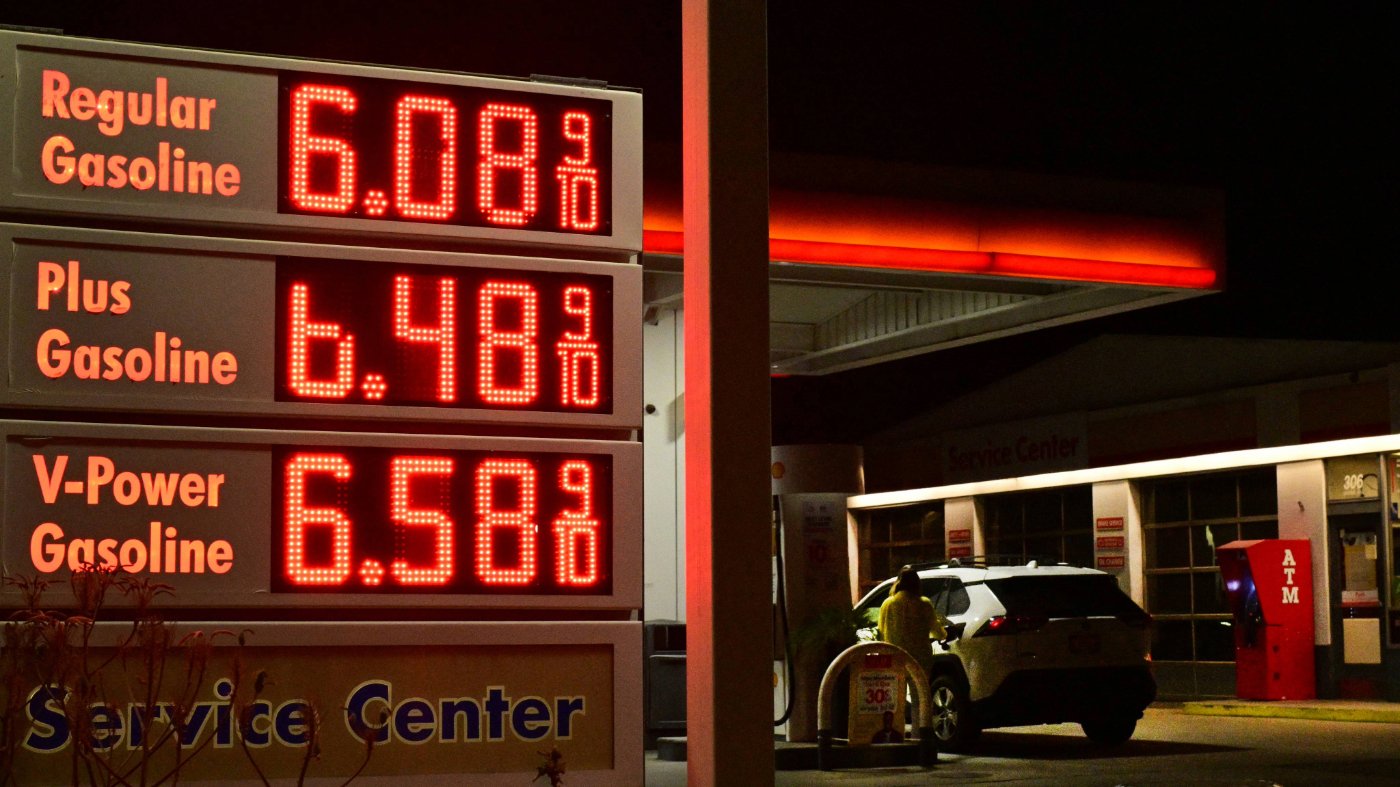
This marginal but notable increase correlates with tangible market pressures. Iran's military has restricted commercial shipping traffic through the Strait of Hormuz, a critical maritime chokepoint for approximately one-fifth of the world's oil supply. The resulting supply constraints have contributed to a sharp rise in U.S. gasoline prices, with the national average for a gallon of regular fuel now nearing $4.00—a roughly one-dollar increase from last month. This price shock has broader inflationary implications, as noted in a recent OECD report projecting elevated U.S. inflation due to Middle East energy market disruptions.
Diplomatic Overtures Amid Military Pressure
Against this backdrop, Secretary of State Marco Rubio struck a cautiously optimistic tone regarding diplomatic channels with Tehran. Speaking to reporters on Thursday, Rubio confirmed that "progress has been made" since Washington delivered a draft peace proposal to Iranian officials. He pointed to a slight increase in energy shipments transiting the Strait of Hormuz as a positive signal, while acknowledging the flow remains below normal levels.
"There's a growing amount of energy that's been flowing through the straits. Not as much as should be flowing, but some of it has picked up," Rubio stated. He emphasized that communications are "an ongoing and fluid process," and declined to elaborate further, stating the administration would not negotiate through the media. This diplomatic push occurs alongside continued military operations, including a recent Israeli strike that killed a senior Iranian naval commander, further escalating tensions in the vital waterway.
The administration's approach appears to balance military deterrence with negotiation, a strategy underscored by President Trump's recent decision to extend a pause on strikes against Iranian energy infrastructure. This move, detailed in our report on the extended military pause on Iranian energy targets, is intended to create space for diplomacy while maintaining leverage.
Political and Policy Repercussions
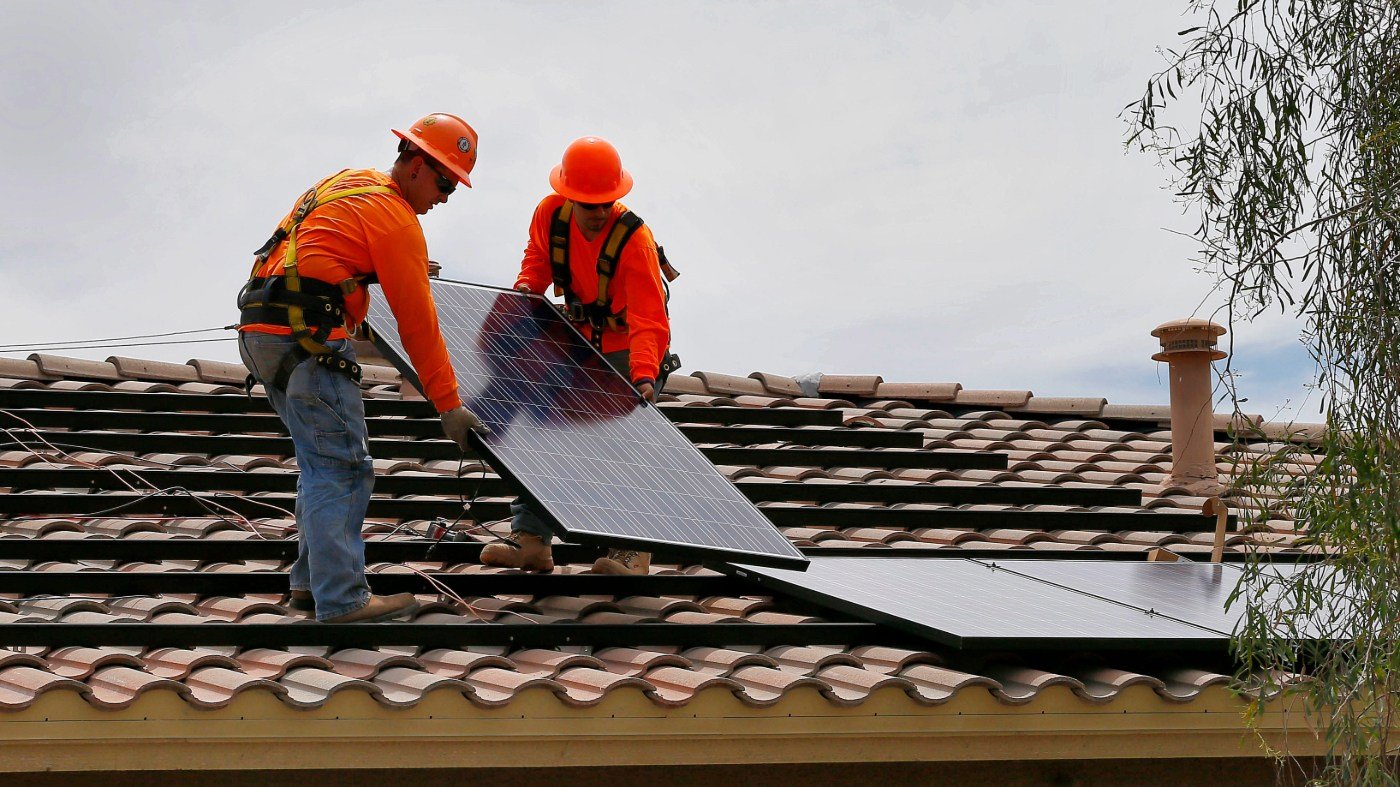
The intersection of energy security, military conflict, and inflation is likely to reverberate through domestic politics. The rising cost of fuel could intensify pressure on Congress and the administration to address energy affordability. Some lawmakers are already advocating for a renewed focus on alternative energy sources. Senate Majority Leader Chuck Schumer, for instance, has vowed to revive green energy tax credits as part of a broader Democratic economic plan, framing energy independence as a national security imperative.
Meanwhile, the hawkish stance of some figures in Washington has drawn internal criticism. Representative Nancy Mace has publicly urged the President to marginalize Senator Lindsey Graham's influence, citing concerns about Graham's advocacy for a more aggressive posture that could entangle the U.S. deeper in conflict. The financial costs of military engagement are also under scrutiny, with previous operations described by critics as a "little excursion" having already incurred billions in expenditures and prompted War Powers Act scrutiny from Congress.
The Gallup survey, which interviewed 1,000 U.S. adults between March 2 and 17, carries a margin of error of plus or minus four percentage points. It captures a snapshot of a public whose economic worries are increasingly intertwined with geopolitical events far beyond American shores, highlighting the direct impact of international conflict on household budgets and national policy debates.