Democratic Leader Lays Out Environmental Agenda for Potential Majority
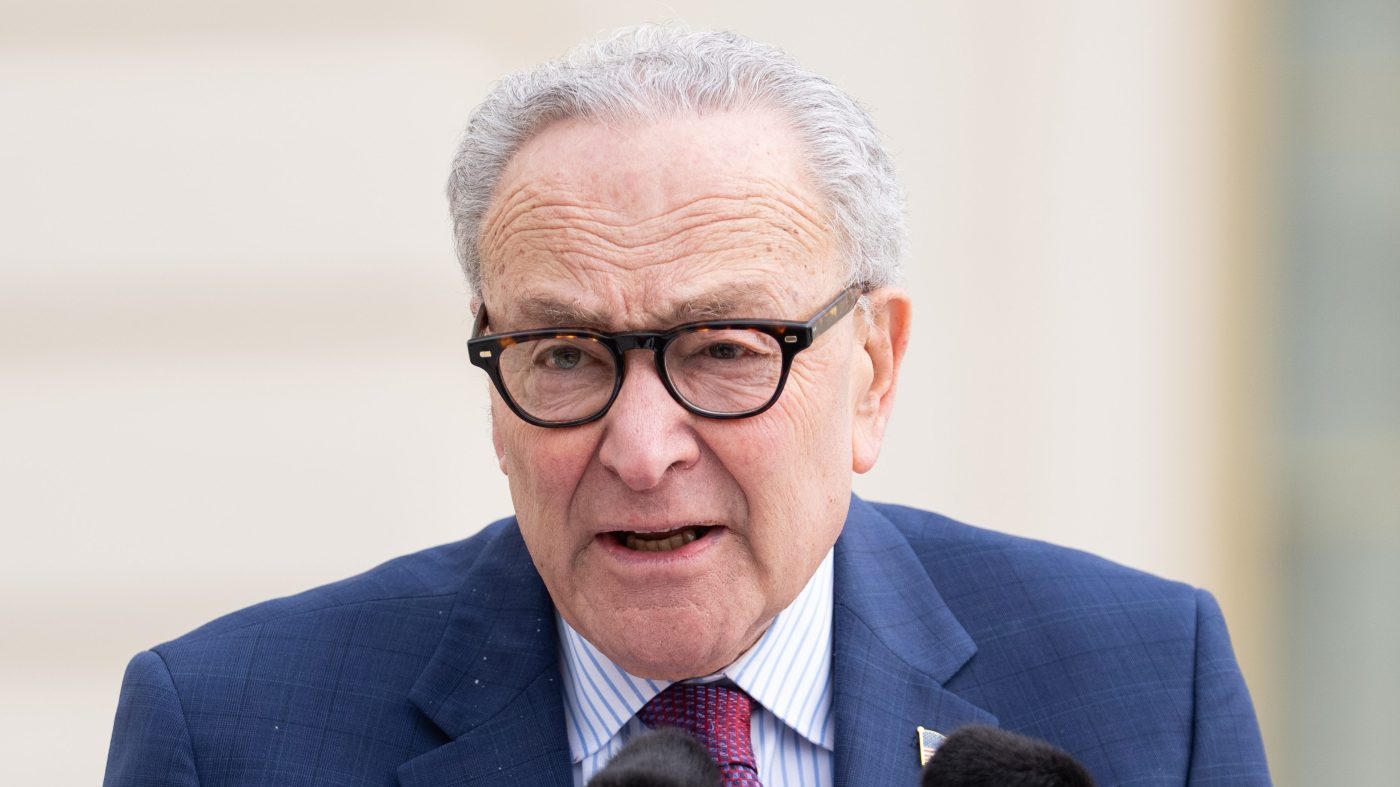
Senate Democratic Leader Chuck Schumer declared Wednesday that reinstating and expanding key green energy tax incentives would be a top priority if his party regains control of Congress in the upcoming midterm elections. Speaking at a dinner hosted by the League of Conservation Voters, the New York senator framed the election as a decisive moment for climate policy.
"One of the very first things I will do when we retake the majority is restore the clean energy tax credits from the Inflation Reduction Act," Schumer stated. "We will put it back and go even further." The credits, which were eliminated by Republican lawmakers, formed a cornerstone of the Biden administration's climate strategy before their removal.

Data Centers Face New Regulatory Scrutiny
Beyond tax policy, Schumer identified data centers as a new frontier for environmental regulation. He argued these facilities, crucial to the digital economy, must "pay their fair share and promote healthy communities." While he did not specify legislative details, the comments signal potential new compliance costs and environmental standards for the rapidly expanding sector.
This focus aligns with growing progressive concern about the energy consumption and local impact of data centers. Notably, Senators Bernie Sanders and Alexandria Ocasio-Cortez have previously proposed a moratorium on new AI data center construction, suggesting regulatory action could find support within the Democratic caucus.
Midterm Elections as Policy Referendum
Schumer's remarks explicitly tie the Democratic policy agenda to electoral success this November. The political landscape appears competitive, with recent polling showing Democrats holding an advantage in generic congressional ballots, though special election results have been mixed. The leader's speech serves to motivate the Democratic base by outlining concrete deliverables tied to victory.
The strategy reflects an awareness of voter concerns beyond traditional environmental issues. By linking data center regulation to community health and equity, Schumer attempts to broaden the appeal of climate policy. This comes as Democrats seek to capitalize on perceived weaknesses in the opposition, including voter concerns about Republican leadership on economic issues.
Broader Context of Democratic Priorities
The outlined environmental agenda would exist alongside other stated Democratic priorities should the party regain unified or partial control. These include protecting healthcare access—Senate Democrats have recently demanded the withdrawal of a Trump-era rule threatening ACA coverage—and managing foreign policy challenges where public opinion often diverges from previous administration actions.
Schumer's promise to not only restore but expand the clean energy credits indicates an intent to pursue more aggressive climate legislation than what passed in the previous Congress. The success of such an agenda would depend heavily on the size of any potential Democratic majority and the party's ability to maintain unity, a challenge given internal divisions on other issues.
Ultimately, the speech transforms a policy wish list into a campaign pledge, making the midterms a direct referendum on the future of American climate policy and the regulation of emerging technology infrastructure. The coming months will test whether this agenda resonates with voters more than Republican critiques of government intervention and spending.