Democratic Leadership Condemns Regulatory Rollback
Leading Senate Democrats have launched a formal challenge against a Trump administration proposal that would significantly alter regulations governing health insurance plans under the Affordable Care Act. In a letter to Centers for Medicare & Medicaid Services Administrator Mehmet Oz, Senators Tammy Baldwin, Chuck Schumer, and Ron Wyden argued the rule would undermine coverage standards and accelerate healthcare affordability problems.
Core Provisions Spark Opposition
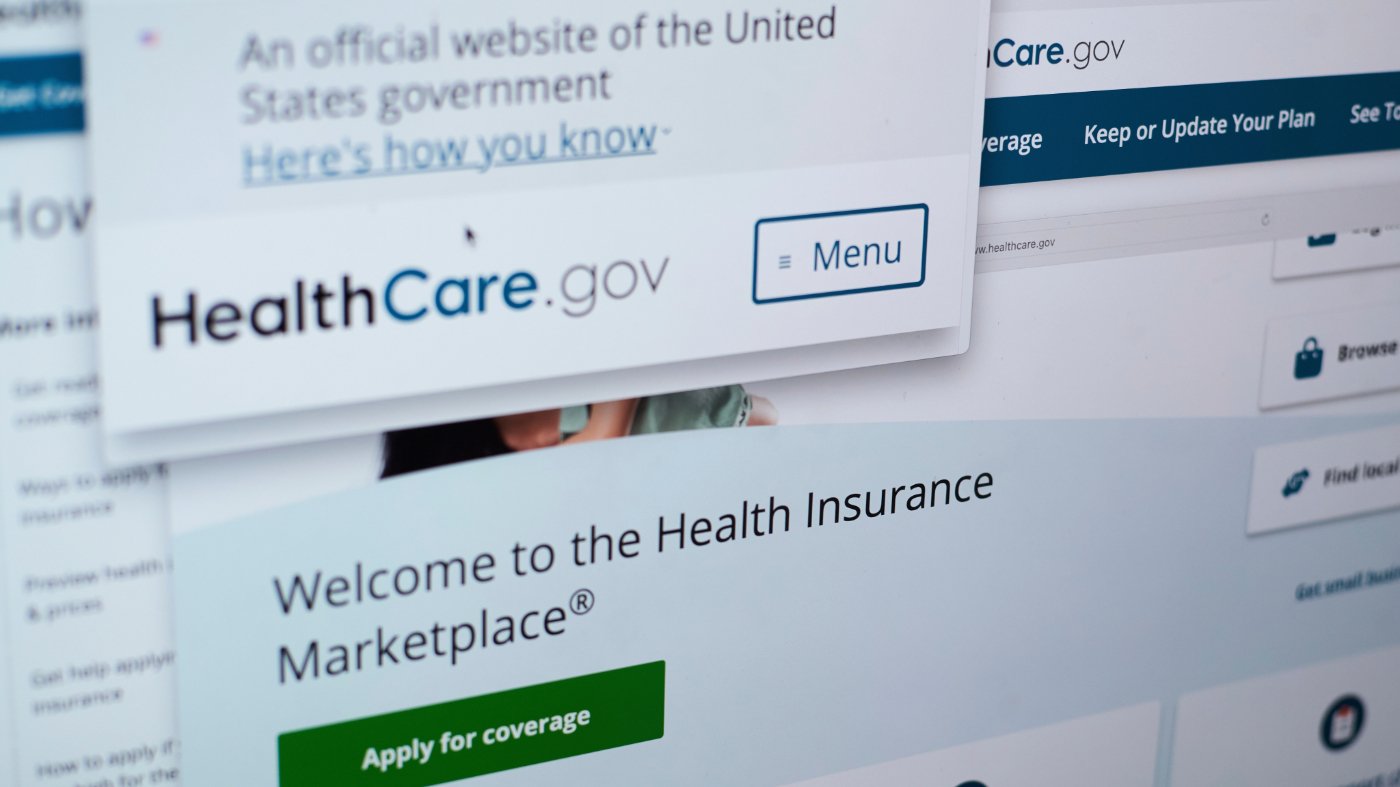
The proposed regulation, submitted in February as part of the 2027 benefit and payment parameters, contains several controversial elements. It would eliminate requirements for insurers to offer standardized plan options with specific cost-sharing structures. Simultaneously, it would lift current limits on how many non-standardized plans marketplace issuers can offer. CMS contends these changes would "reduce issuer and HHS burden and regulatory complexity and enhance flexibility for issuers to innovate in plan design."

Democratic lawmakers sharply dispute this characterization. "This rule would cause ACA plans to increase deductibles, cover fewer services, and kick providers out of network," they wrote. They further warned that allowing states to replace their state-based exchanges with a "State Exchange Enhanced Direct Enrollment" system—which would rely solely on private web brokers—would promote what they termed "junk coverage" and make plan comparison more difficult for consumers.
Projected Enrollment Drop and Expanded Catastrophic Plans
Perhaps the most consequential element is the administration's own projection of the rule's impact. CMS analysis states, "Based on the analysis presented thus far in this section, we expect average enrollment for 2027 to decrease between 1.2 and 2 million enrollees compared to baseline estimates." The senators seized on this projection, writing, "Rather than keep this promise, this administration has proposed a rule that CMS' own experts predict will kick 2 million Americans off the health care they have and accelerate the health care affordability crisis."
The proposal also seeks to extend the terms of catastrophic health plans—low-premium, high-deductible plans meant for emergencies—from one year to up to ten years. Additionally, it would bar insurers from including adult dental services as part of the essential health benefits required under the ACA, aligning with a statutory requirement that these benefits mirror typical employer-sponsored plans. The senators countered that with 72 million adults lacking dental insurance, the focus should be on expanding access, not restricting it.
Political Context and Broader Democratic Strategy
This healthcare fight occurs as polling indicates vulnerabilities for the former president on economic issues, potentially giving Democrats an opening on kitchen-table concerns like healthcare costs. The unified Democratic opposition, which includes signatures from Senators Ed Markey, Dick Durbin, Elizabeth Warren, Bernie Sanders, and others, reflects a coordinated party-line stance against regulatory rollbacks perceived as harmful to coverage.
The letter directly contrasts the proposal with Trump's past rhetoric. "President Trump told the American people he would protect them from the 'big, fat, rich insurance companies, who have made trillions, and ripped off America long enough,'" they noted. The lawmakers concluded with a call for a different approach: "We should be focused on lowering the cost of care and ensuring that insurance companies cannot raise costs, reduce coverage, and take advantage of working families."
This confrontation over healthcare policy is one front in a broader political battle, where Democrats currently hold an advantage in generic congressional polling. The outcome of this regulatory fight could influence both insurance markets and political narratives heading into the next election cycle.