President Donald Trump announced Thursday he is extending a temporary suspension of Pentagon operations against Iranian energy targets, pushing the pause until April 6. The decision, communicated via the president's Truth Social account, came at the formal request of the Iranian government.
"As per Iranian Government request, please let this statement serve to represent that I am pausing the period of Energy Plant destruction by 10 Days to Monday, April 6, 2026, at 8 P.M., Eastern Time," Trump wrote. He asserted that negotiations are "going very well," directly countering what he called erroneous reporting.
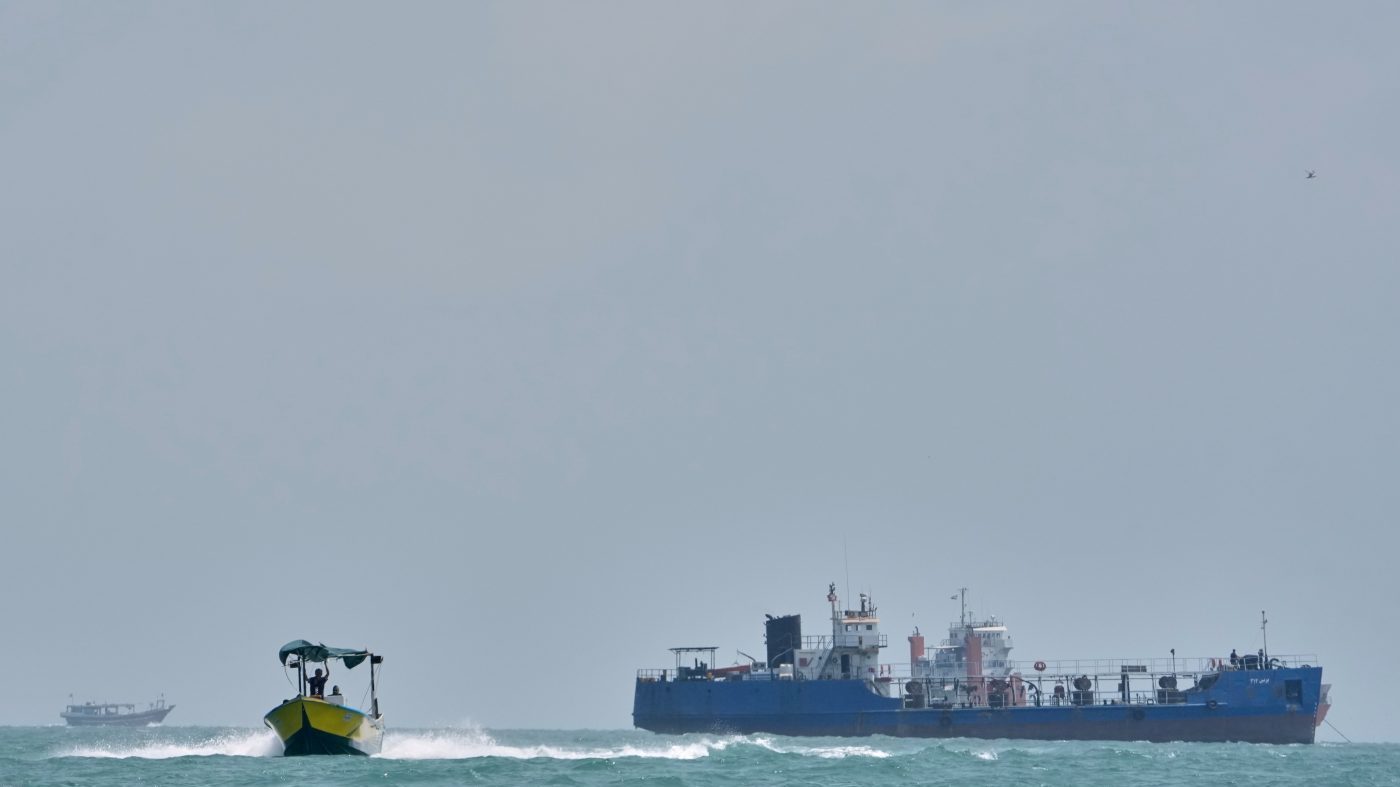
This extension follows an initial five-day pause ordered Monday, which itself came after Trump threatened over the weekend to target Iran's energy facilities. The escalation and subsequent de-escalation highlight the volatile state of U.S.-Iran relations, which have been strained by Iran's control of the Strait of Hormuz—a critical global oil transit route.
Diplomatic Framework Emerges
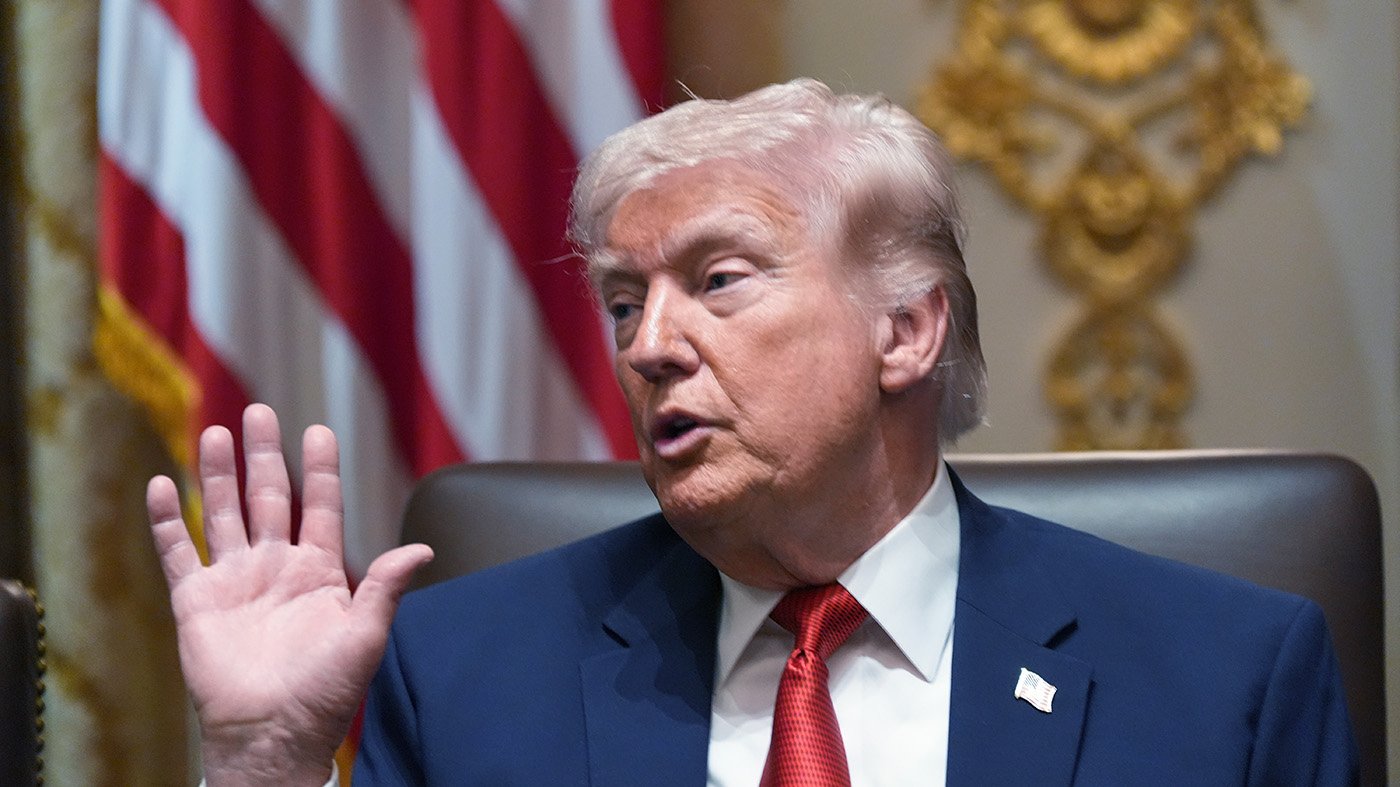
During Thursday's Cabinet meeting, Special Envoy Steve Witkoff confirmed the United States has presented Iran with a 15-point action list serving as a framework for a potential peace agreement. Witkoff noted the Pakistani government is acting as mediator between Washington and Tehran.
This development aligns with reporting that Trump's cabinet has confirmed a detailed peace framework is on the table, even as military pressure remains a backdrop. The administration appears to be pursuing a dual-track strategy of diplomacy backed by the latent threat of force.
Iran's public position remains complex. While acknowledging it is reviewing the U.S. proposal, Iranian officials continue to insist they are not directly negotiating with Washington. Tehran's core demands include an end to the broader regional conflict and maintaining its control over the Strait of Hormuz, through which approximately 20% of global oil shipments pass.
Strategic Stakes and Economic Pressure
Trump revealed at the Cabinet meeting that Iran's recent "present" to the United States was the passage of ten oil-carrying vessels through the strait. The waterway's effective closure since the outbreak of hostilities has contributed to rising global gasoline prices, an economic pressure point the administration has attempted to downplay despite its domestic political sensitivity.
The situation underscores the interconnected challenges facing the White House, which is simultaneously managing domestic infrastructure crises and complex international standoffs. The extension of the military pause suggests a calculated effort to create space for diplomacy while retaining maximum leverage.
This foreign policy maneuvering occurs against a contentious domestic backdrop, including ongoing administration actions on civil rights and political opposition to the president's agenda. Critics, including some congressional Democrats, have accused the administration of inconsistent strategy, with some alleging Trump is seeking external help to resolve the crisis triggered by the strait's closure.
The coming weeks will test whether this extended pause yields diplomatic progress or merely postpones a military confrontation. The April 6 deadline now serves as the next potential inflection point in a high-stakes geopolitical contest centered on global energy security and regional dominance.