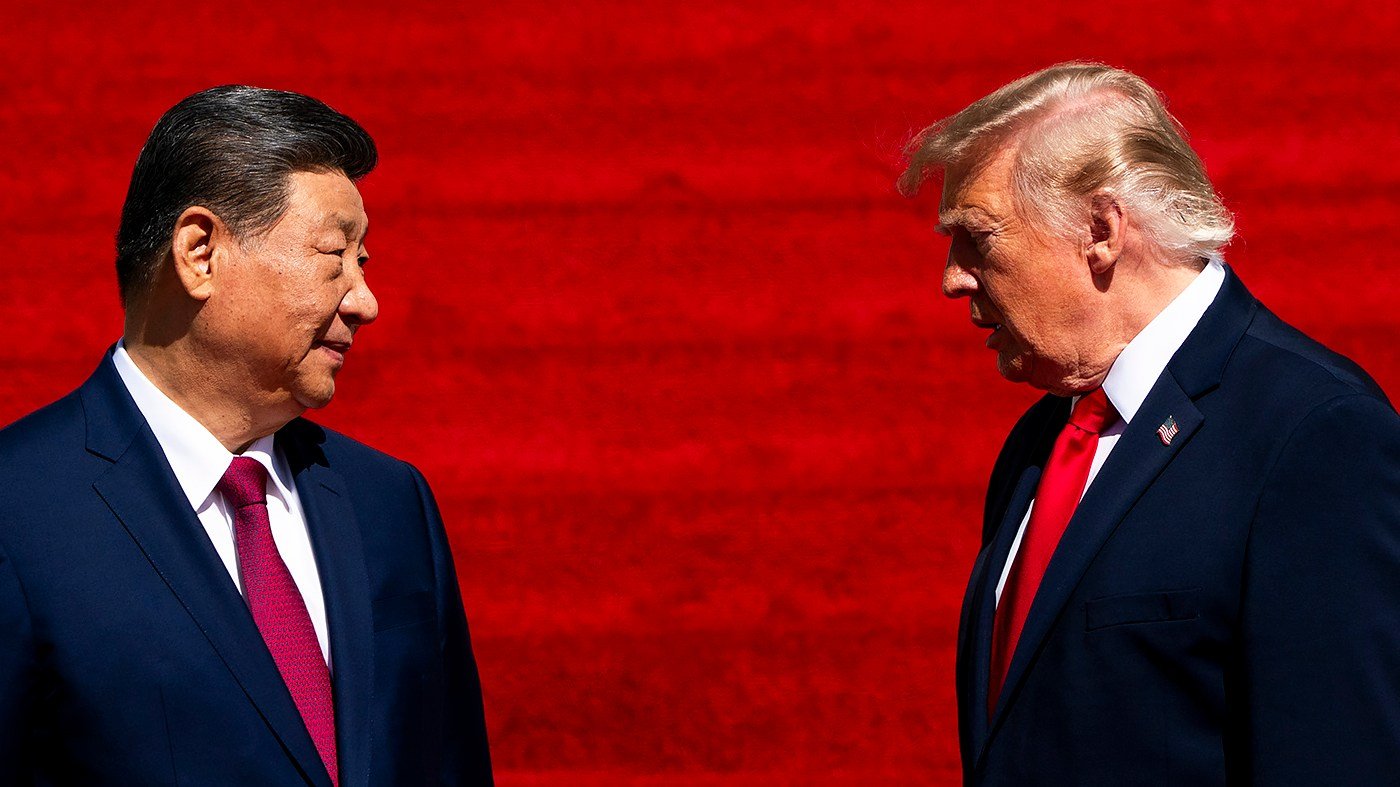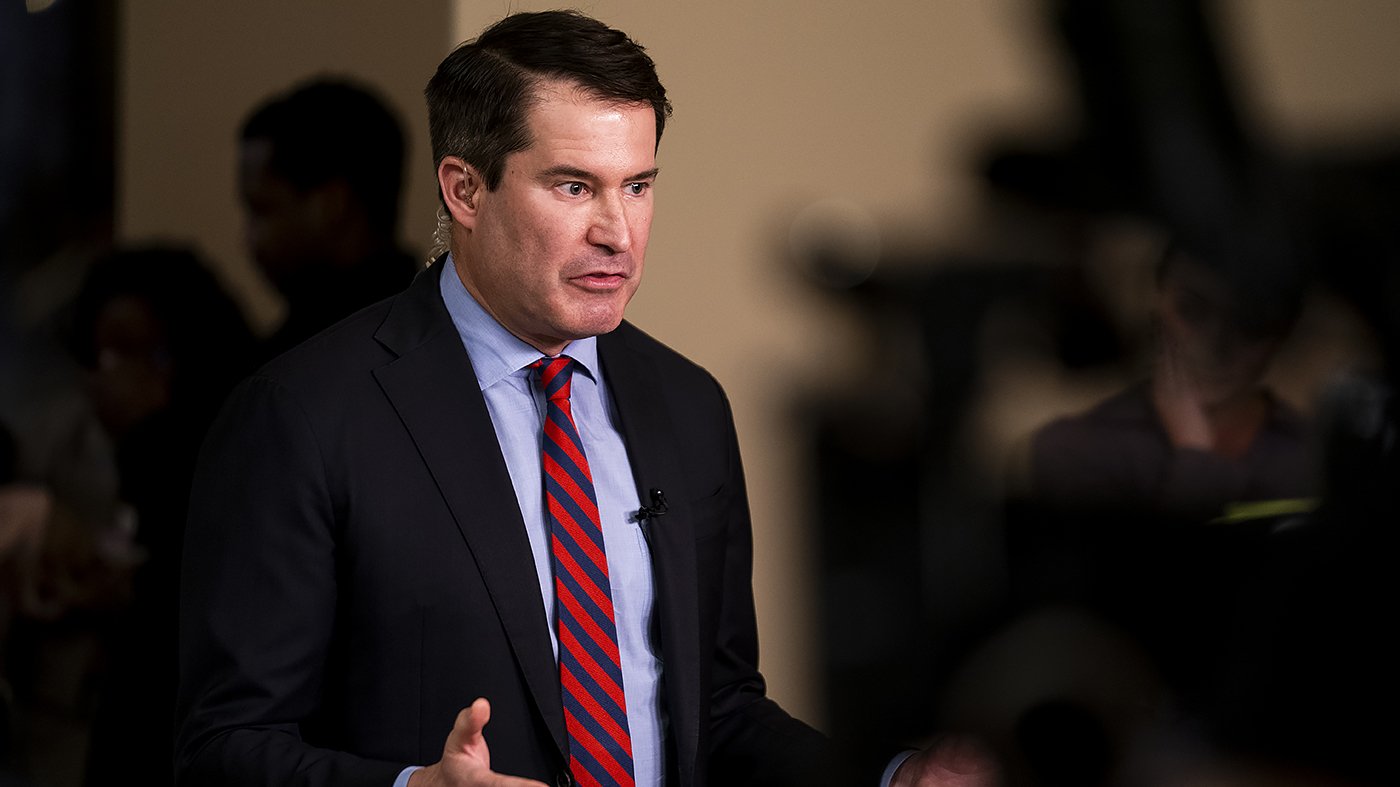
Massachusetts Democratic Representative Seth Moulton leveled a sharp critique against the Trump administration's handling of the ongoing tensions with Iran, accusing the President of effectively pleading with China to intervene in a strategic maritime crisis.
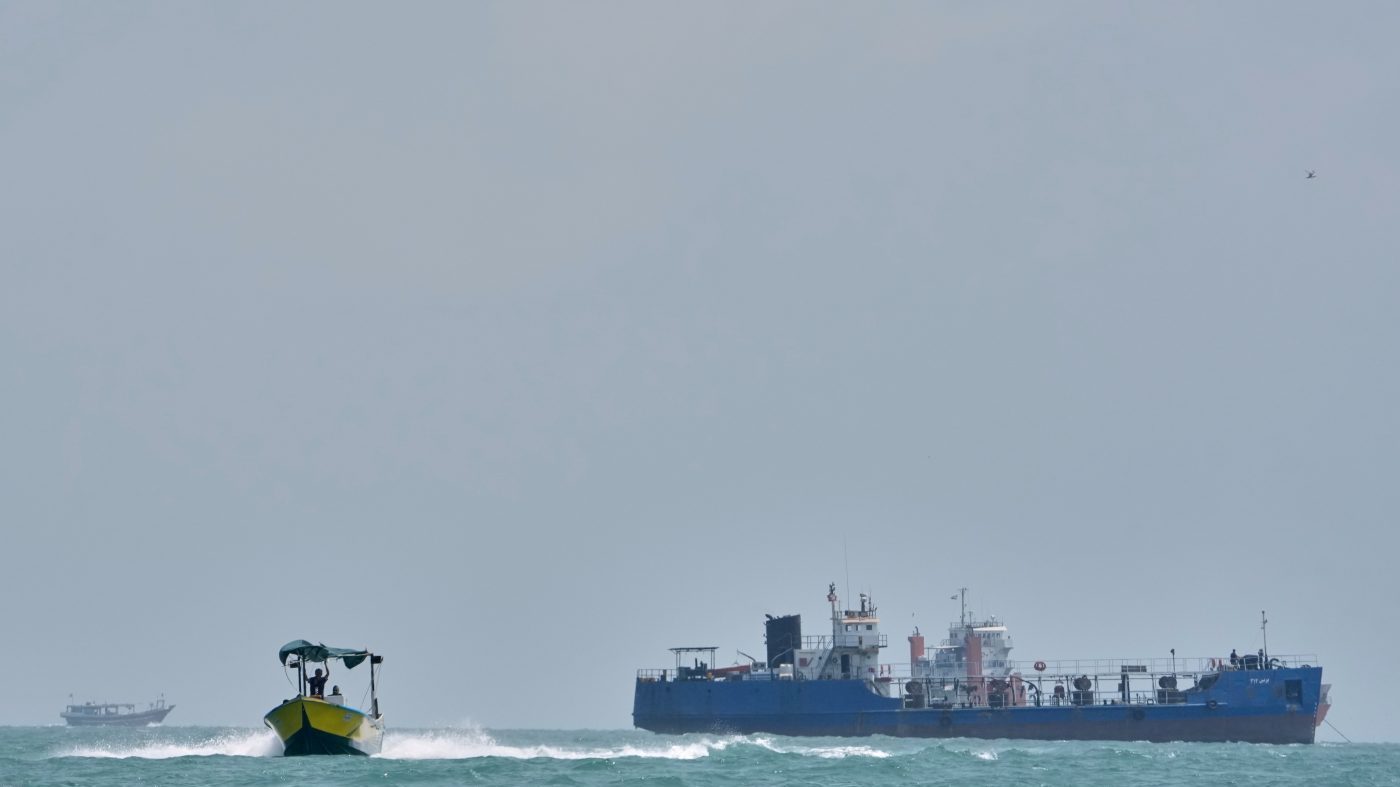
In a televised interview, Moulton stated that the administration's current focus is on reopening the Strait of Hormuz to oil traffic. He contended this represents a significant reversal, as the strait was fully operational before recent U.S. actions escalated hostilities. "The reality is, at this moment, we are losing this war," Moulton declared, framing the conflict as a "war of choice" initiated by the White House.
A Call for External Intervention
The congressman argued that the situation has deteriorated to the point where the President must seek external help to achieve a basic objective. "If Trump were to stop the war tonight, he would have to negotiate with the Iranians to reopen the strait that they have closed," Moulton said. "That's why he's begging our greatest adversary, the People's Republic of China... he's asking them to come and bail him out." This characterization frames the diplomatic outreach as a sign of strategic weakness.
These comments follow President Trump's own remarks suggesting a diplomatic opening. On Thursday, the President described a "present" from Iran: the passage of several oil tankers through the strait. He characterized talks with Tehran as "very substantial," quoting Iranian officials as offering to let "eight boats of oil" pass as a goodwill gesture. This narrative of de-escalation contrasts sharply with Moulton's assessment of a failing strategy.
Domestic and Economic Repercussions
The geopolitical standoff is having tangible effects at home. According to AAA, the national average price for a gallon of regular gasoline has surged to approximately $3.98, a increase of about one dollar from just a month prior. The disruption of a key chokepoint for global oil shipments directly pressures energy markets and consumer costs.
Public opinion appears to be turning against the administration's approach. A recent CBS News/YouGov poll indicates that 60% of Americans oppose the current conflict with Iran, with only 40% in support. This domestic discontent adds political pressure as the confrontation nears its one-month mark. This public sentiment aligns with broader polling that reveals vulnerabilities for the administration on issues like inflation.
The administration has pursued a dual-track policy of military pressure and diplomatic frameworks. Earlier this year, the Trump cabinet confirmed a 15-point plan for engaging with Iran even as it maintained a hawkish posture. However, internal Republican divisions exist, with figures like Rep. Nancy Mace having previously urged the President to sideline more bellicose advisors over 'war machine' concerns.
The White House has not publicly responded to Moulton's specific allegations. The congressman's comments underscore a deepening partisan divide over foreign policy and highlight the complex challenges the administration faces in managing a crisis that impacts global energy security, domestic fuel prices, and the geopolitical balance of power in the Middle East.