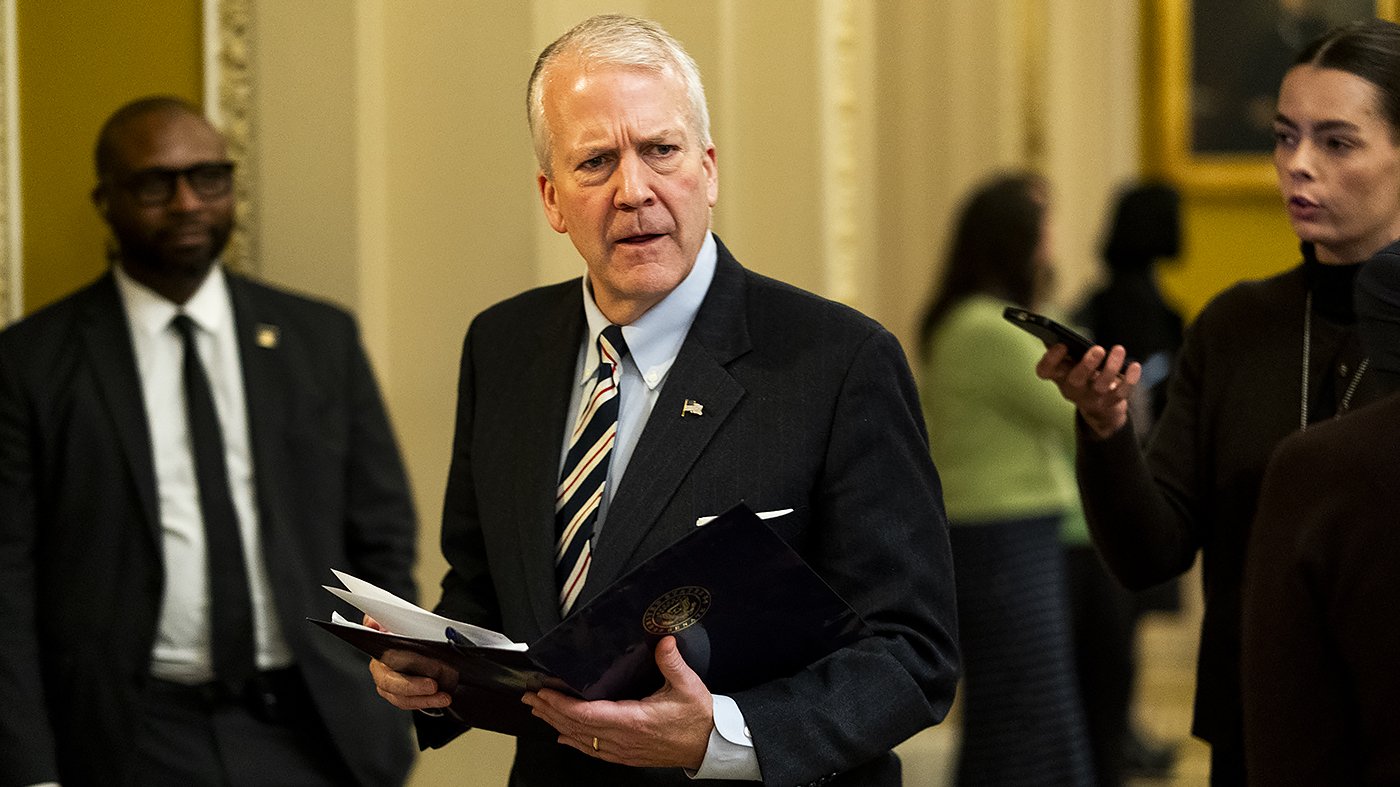
Alaska voters are feeling the sting of healthcare cuts from the One Big Beautiful Bill Act and the expiration of Affordable Care Act subsidies, creating a potent political liability for Republican Sen. Dan Sullivan as he seeks another term. Democrats are seizing on the issue, launching ad campaigns that accuse Sullivan of voting to hike premiums by over $1,800 per person.
Former Rep. Mary Peltola, who launched a Senate bid earlier this year, has made healthcare a central theme. Her announcement directly criticized Sullivan's support for the GOP's mega-bill, citing a think tank projection that it would strip coverage from millions. The attack resonates in a state where healthcare costs are among the highest in the nation.
Sullivan appears to recognize the danger. In recent weeks, he has twice broken with his party to side with Democrats on health provisions. He voted for a Schumer-backed amendment opposing any funding bill that doesn't lower out-of-pocket costs and supported an Ossoff measure targeting insurer delays or denials of care. Late last year, he was one of four GOP senators to vote for extending Obamacare tax credits, after previously opposing similar measures. That bill failed to reach 60 votes.
Critics argue these late shifts may not be enough. John-Henry Heckendorn, a partner at Ship Creek Group, said, “Given how many times he has voted for legislation or amendments that would either reduce healthcare subsidies for Alaskans or otherwise increase healthcare costs, the damage has largely been done.” Heckendorn, who worked on Peltola’s first House campaign, added, “It’s one thing to vote on your principles. It’s another thing to follow the party line until you feel like you’re in danger and then try to cover your tracks.”
Healthcare costs in Alaska are already punishing. Initial figures show about 3,000 Alaskans have dropped out of the ACA Marketplace since subsidies lapsed, an 11 percent decline expected to grow. Sara Collins of the Commonwealth Fund noted that the state is “facing a loss of a lot of federal funding because of the cuts to Medicaid through the HR.1 legislation last year and then also the expiration of the premium tax credits.” She warned of “trickle-down effects for the broader economy,” as these dollars support both coverage and the overall health system.
The Commonwealth Fund’s 2025 Scorecard ranked Alaska 38th among states for overall health system performance. Scott Leitz of NORC at the University of Chicago pointed to the state’s unique challenges: “It’s a really, really big state, but it’s also highly dispersed in terms of its population.” Those logistical hurdles make recruiting providers difficult, and a concentrated insurance market—with Premera Blue Cross Blue Shield controlling over 70 percent—drives up costs.
Sullivan’s office defended his record, saying in a statement that he has a “track record of voting with colleagues on both sides of the aisle when it’s good for Alaska.” The statement emphasized getting “healthcare dollars out of the hands of insurance companies and into the hands of the people,” and noted that Sullivan “repeatedly voted to extend the ACA enhanced subsidies to protect everyday Alaskans from the cliff Democrats imposed when they allowed the subsidies to expire in 2025.”
Despite the headwinds, most forecasters still favor Sullivan to win in November. But Peltola outraised him in the first quarter, and an April Alaska Survey Research poll showed her leading by nearly 7 points. Sullivan has pointed to his own failed amendment to the One Big Beautiful Bill Act as evidence that Democrats have blocked his efforts to protect Alaskans.
The broader context includes a national trend: a workforce crisis threatening home care for aging Americans and UnitedHealthcare dropping prior authorization for 30% of services highlight ongoing strains in the system. For Alaska, the stakes are particularly high.