Diplomatic Overtures Show Signs of Life
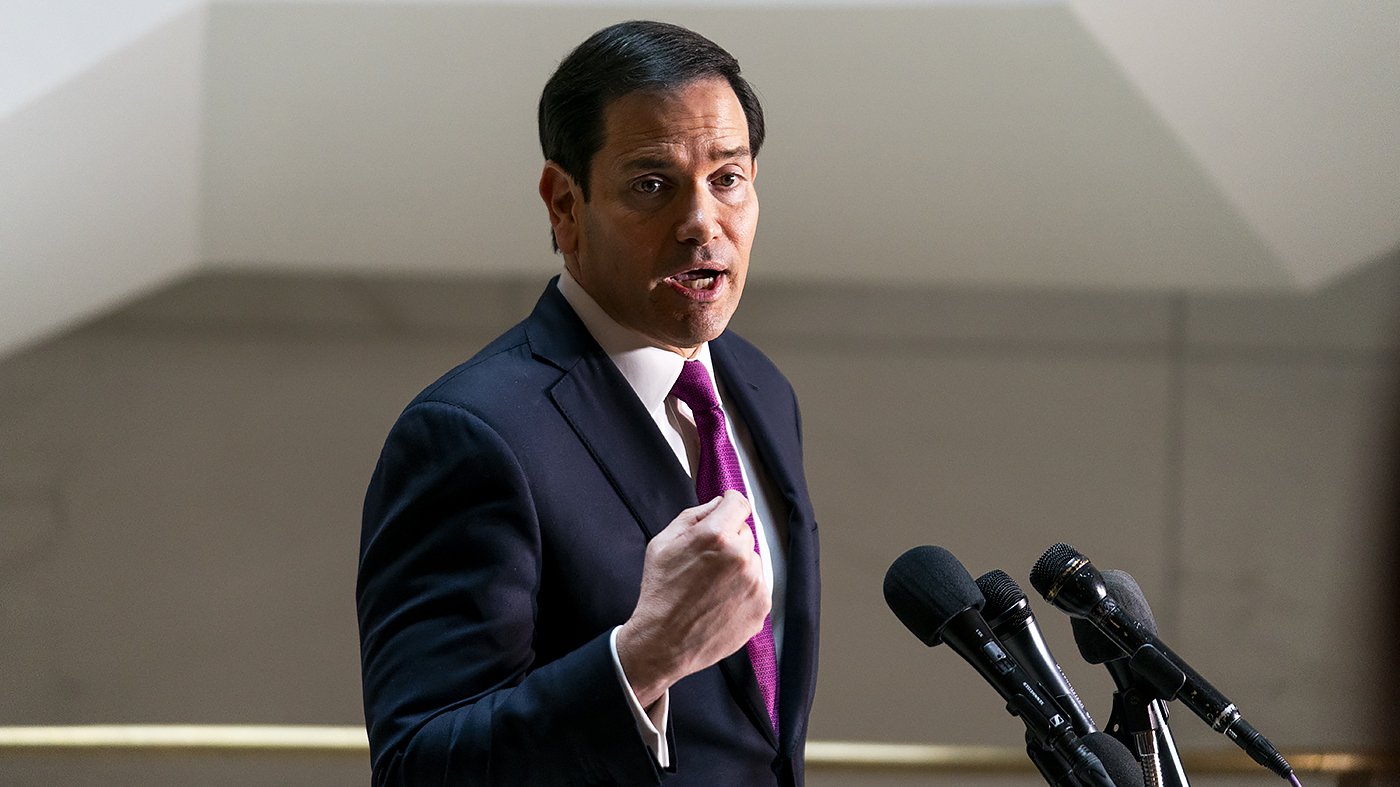
Secretary of State Marco Rubio struck a cautiously optimistic tone Thursday, telling reporters at Joint Base Andrews that renewed diplomatic engagement with Iran has yielded initial progress. His comments followed the delivery of a U.S. draft proposal to Tehran earlier this week, a move that has reopened channels after a period of heightened military tension.
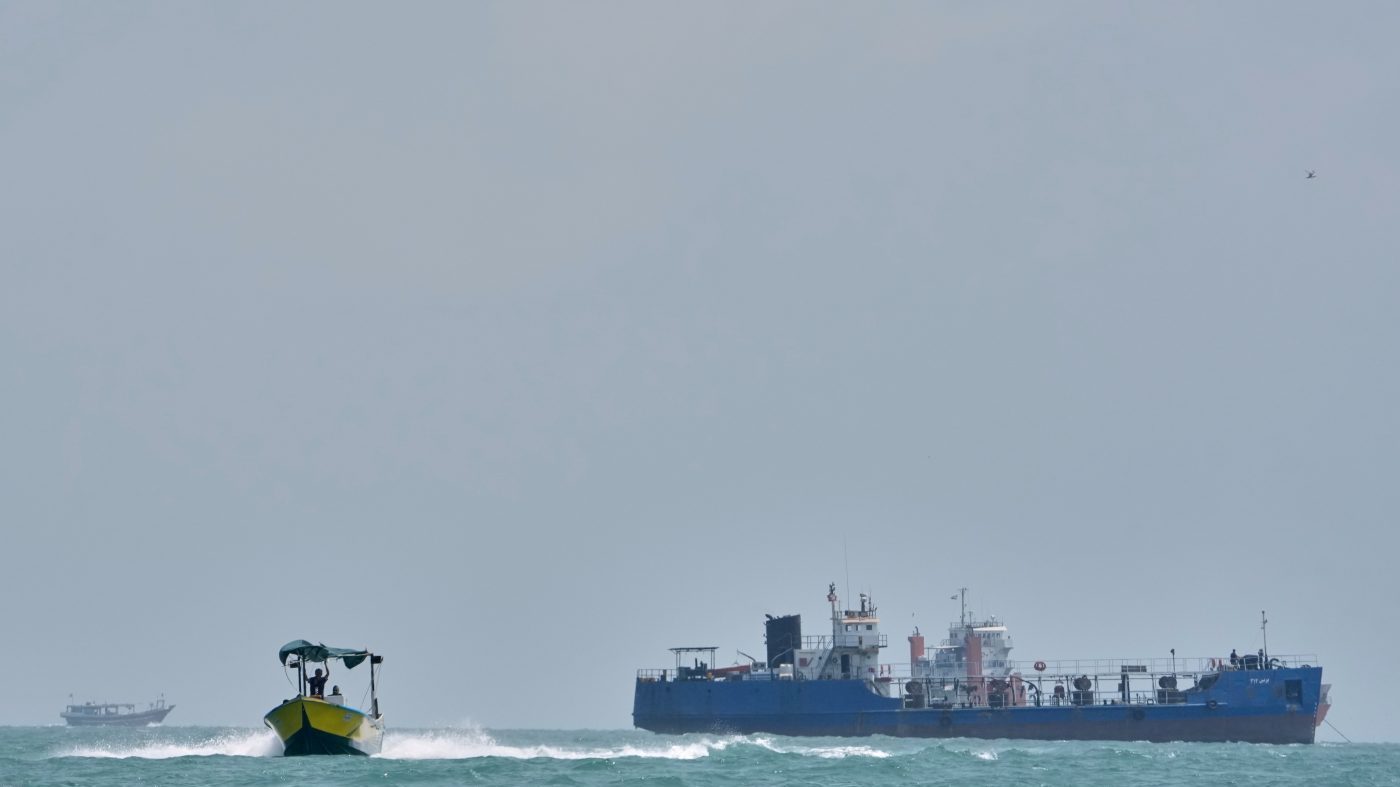
"We've seen some forward movement in the exchange of messages," Rubio stated. "But this is an ongoing and fluid process, not something we will negotiate through the media." He pointed to a slight increase in commercial energy traffic through the Strait of Hormuz as a tangible, though limited, sign of de-escalation. "There's a growing amount of energy flowing through the straits. Not as much as should be flowing, but some of it has picked up," he noted.
Proposal and Counter-Demands Exchanged
The administration's diplomatic push was confirmed by Special Envoy Steve Witkoff, who described the 15-point "action list" shared with Iranian officials via Pakistani intermediaries as the basis for "strong and productive" talks. This development follows Pakistan's offer to facilitate discussions between the two adversaries.
In response, Tehran presented a set of demands that outline its conditions for a sustainable agreement. These include asserting sovereign control over the Strait of Hormuz, a complete halt to U.S. and Israeli military operations targeting Iran, and financial compensation for costs incurred during the recent conflict.
Economic Stakes and Presidential Pressure
The strategic waterway has been a focal point of the crisis, with Iranian attacks on regional infrastructure previously strangling the flow of oil. President Trump characterized Iran's allowance for ten oil tankers to transit the strait this week as a "present." The disruption has caused significant volatility in global markets; on Thursday, Brent crude traded near $108 per barrel while West Texas Intermediate was around $95.
In a characteristically combative post on Truth Social, Trump framed the negotiations as one-sided, claiming Iranian officials are "begging" for a deal after being "militarily obliterated." He warned Tehran to "get serious soon, before it is too late," echoing his recent public demands for Iranian seriousness as military preparations continue.
Broader Context of Escalation
The diplomatic maneuvering occurs against a backdrop of sustained military readiness and domestic political scrutiny. The administration's approach has drawn criticism and oversight from Congress, where progressive lawmakers recently rejected a massive $200 billion funding request for potential conflict. Simultaneously, officials have been forced to consider grim scenarios, including warnings that Iran could seize U.S. personnel if tensions escalate further.
Rubio's assessment suggests a narrow diplomatic window is open, but its durability remains uncertain. The administration is balancing hardline rhetoric with backchannel talks, aiming to secure concessions on security and energy stability while facing complex regional dynamics and internal political pressures. The coming days will test whether the reported progress can be solidified into a more stable understanding or if the process will succumb to the volatility Rubio himself acknowledged.