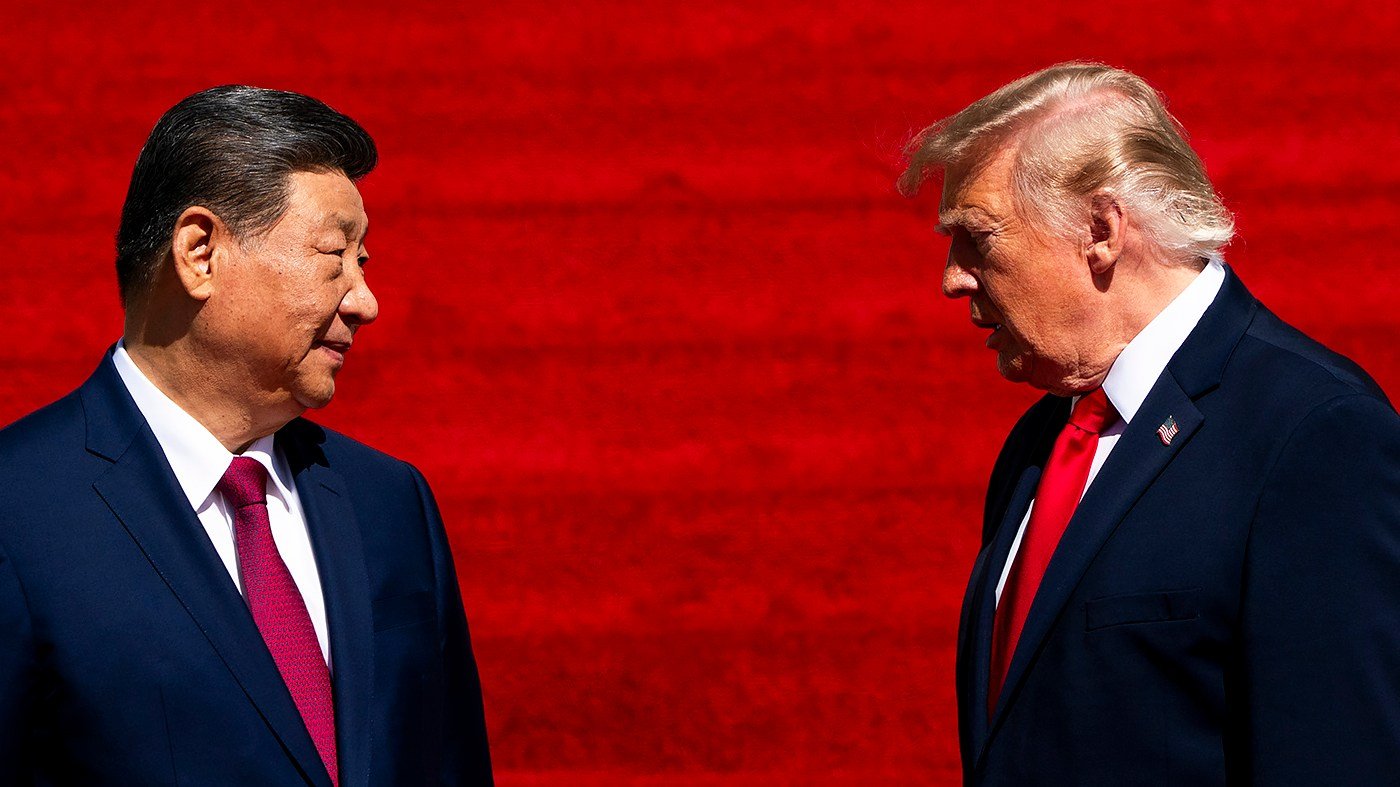
Former Florida Republican Congressman Matt Gaetz issued a stark warning against any potential U.S. ground invasion of Iran, arguing such military escalation would damage American prosperity and national security. Speaking at the Conservative Political Action Conference in Texas, Gaetz framed his caution as advice to former President Donald Trump, who is overseeing a military campaign against Tehran.
"I want President Trump to have every diplomatic tool at his disposal, and I do trust that he knows a great deal more than I do," Gaetz told the audience. "But a ground invasion of Iran will make our country poorer and less safe. It will mean higher gas prices, higher food prices and I'm not sure we'd end up killing more terrorists than we would create."
Deepening GOP Rift Over Foreign Policy
Gaetz's comments underscore a significant and growing divide within the Republican Party regarding the scope of U.S. military engagement with Iran. Some factions on the party's right flank have accused the Trump administration of straying from its "America First" principles, suggesting it is yielding to pressure from key allies like Israel, which has vowed to intensify its own campaign against Iran.
The former congressman has long championed a non-interventionist foreign policy. During his final years in the House, he repeatedly advocated for withdrawing American troops from overseas deployments in conflict zones like Somalia and Syria. His stance is consistent with his 2020 support for a congressional resolution designed to limit a president's ability to conduct military strikes against Iran without legislative approval, a measure introduced after the U.S. assassination of Iranian General Qasem Soleimani.
Public Opinion and Military Buildup
As the conflict approaches the one-month mark, public sentiment appears to align with Gaetz's warning. Recent polling indicates that a U.S. ground invasion remains deeply unpopular with the American public. This political reality exists alongside a continued military buildup in the region, where the Pentagon is deploying additional Marines, sailors, and elite paratroopers from the Army's 82nd Airborne Division.
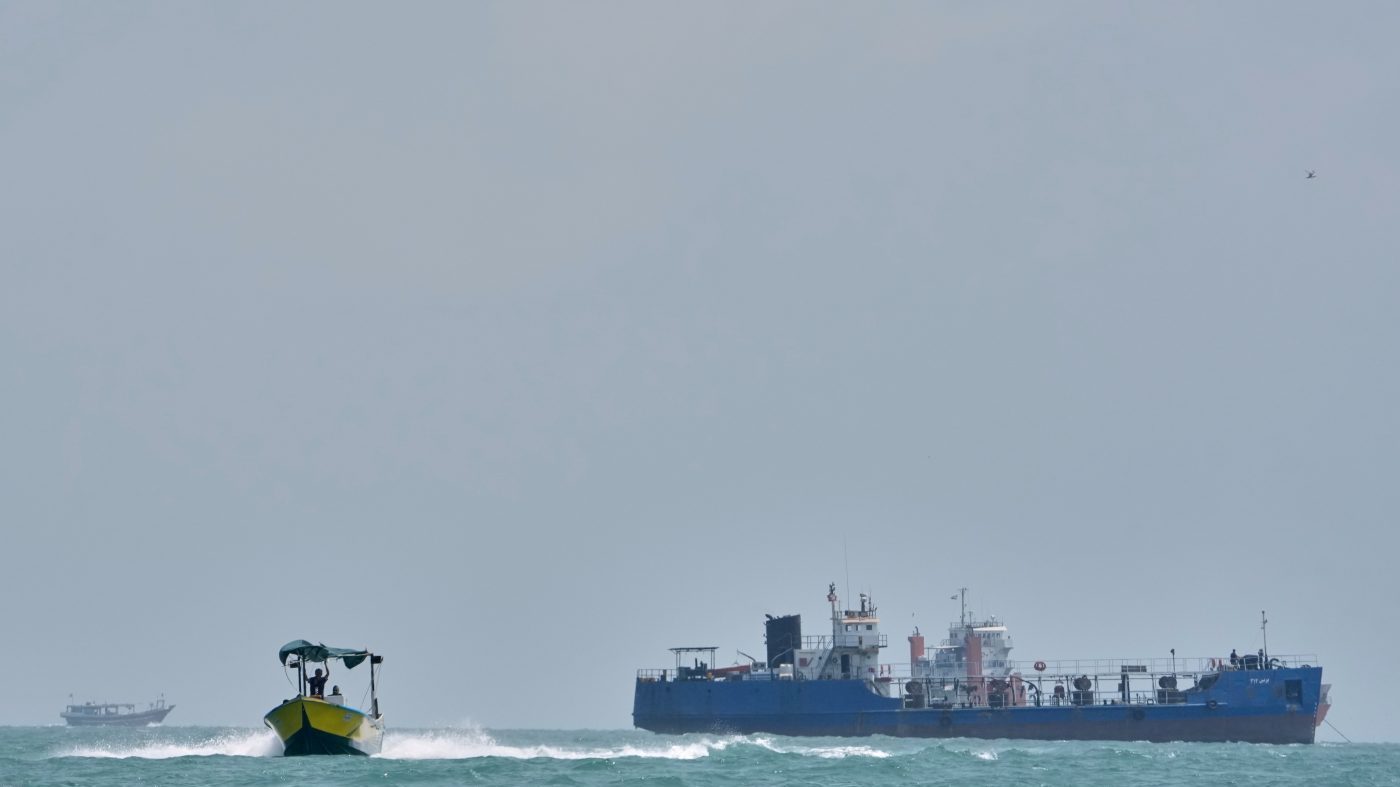
Despite the troop movements, Trump has publicly stated he does not intend to deploy American forces in a ground campaign. Instead, the administration is reportedly considering air and naval operations aimed at securing critical chokepoints like the Strait of Hormuz and seizing control of Iran's key oil terminal on Kharg Island. The objective is to curb the surge in global energy prices that has followed the outbreak of hostilities.
The political fallout for Trump has been tangible. Since the U.S. and Israel initiated joint strikes against Iran in late February, the former president's approval ratings have declined. A recent Fox News poll found that 64% of respondents disapprove of his handling of the conflict, a finding Trump dismissed as "terrible" during a subsequent appearance on the network. He has consistently criticized the network's polling methods when presented with unfavorable data.
The debate over Iran strategy occurs against a backdrop of broader political challenges for Trump and his allies. Recent electoral setbacks, including a Democratic upset in a Florida district previously favorable to Trump, highlight the domestic political risks of prolonged military engagement. Gaetz's intervention signals that the former president's foreign policy decisions will face scrutiny not only from Democrats but from within his own party's ranks, particularly from those who view expansive military action as incompatible with a focus on domestic priorities and fiscal restraint.