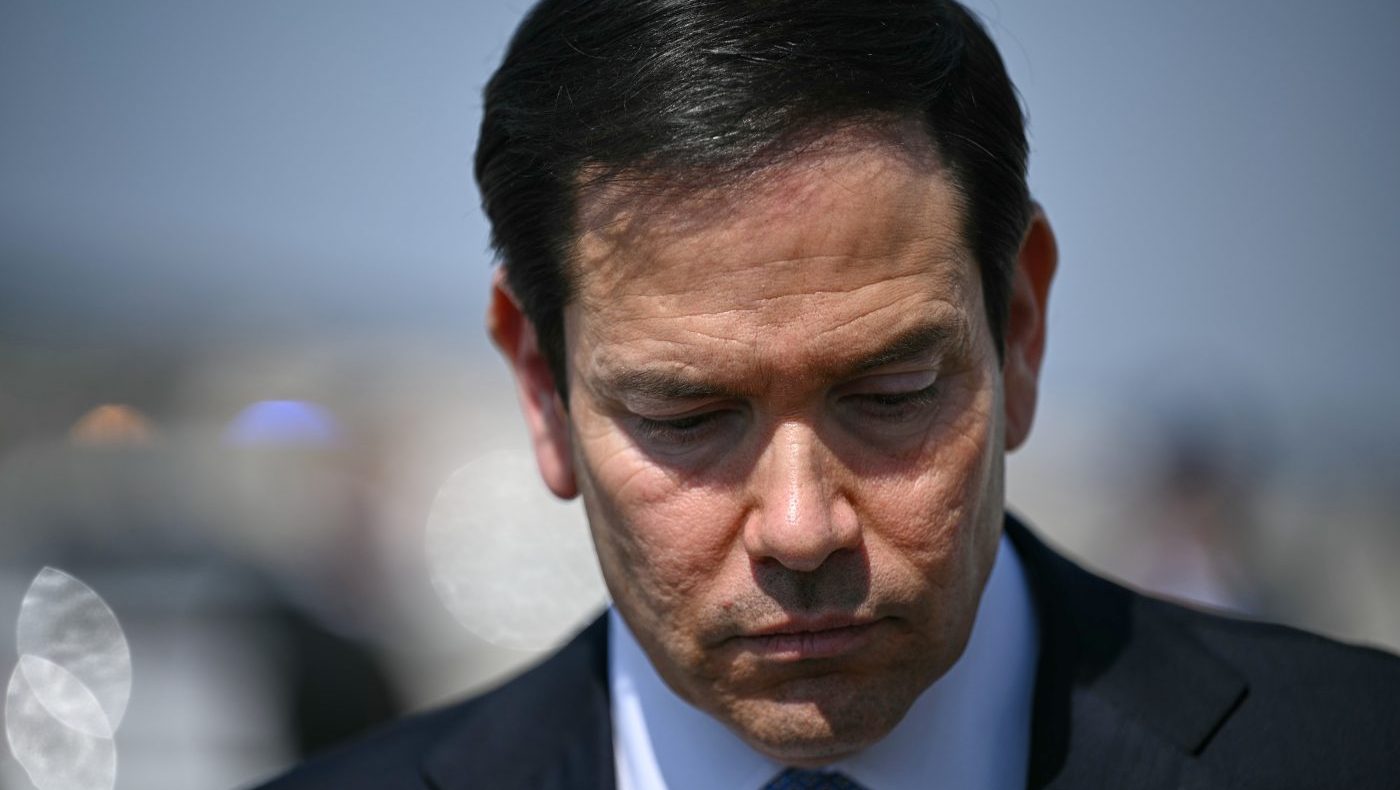
U.S. Secretary of State Marco Rubio landed in France on Friday for a high-stakes meeting with foreign ministers from the Group of Seven nations, entering a forum where American allies are expressing profound frustration over the ongoing military conflict with Iran. Despite their anger, European powers recognize the necessity of coordinated action to contain the war's economic and security fallout.
A Critical Juncture in the Conflict
The ministerial gathering in Cernay-la-Ville occurs during a pivotal phase of the four-week war. While the Trump administration has publicly highlighted progress in backchannel negotiations with Tehran to find a diplomatic exit, it has simultaneously deployed thousands of additional troops to the region, raising the specter of a potential ground invasion. This dual-track approach has left allies uncertain of Washington's ultimate objectives.
"I think they should be happy that I'm going," Rubio remarked before his departure on Thursday, when questioned about his anticipated reception. "Well, again, I'm not there to make them happy." He challenged other nations to "step up" and assist in securing the Strait of Hormuz, which Iran has blockaded since hostilities began in late February. "It can be open tomorrow if Iran stops threatening global shipping," Rubio asserted, framing the closure as an outrage and a violation of international law.
Europe's Strategic Dilemma
European NATO members find themselves in a difficult position. They view the war as dangerously destabilizing and were not consulted before it began, yet they harbor no sympathy for the Iranian regime, citing its domestic repression, support for terrorism, and obstruction of nuclear inspections. The practical consequences are severe: southern Europe lies within range of Iranian missiles, military bases have come under attack, citizens are stranded, and the halted trade through the Strait of Hormuz has triggered energy price spikes and fertilizer shortages, throwing economies into chaos.
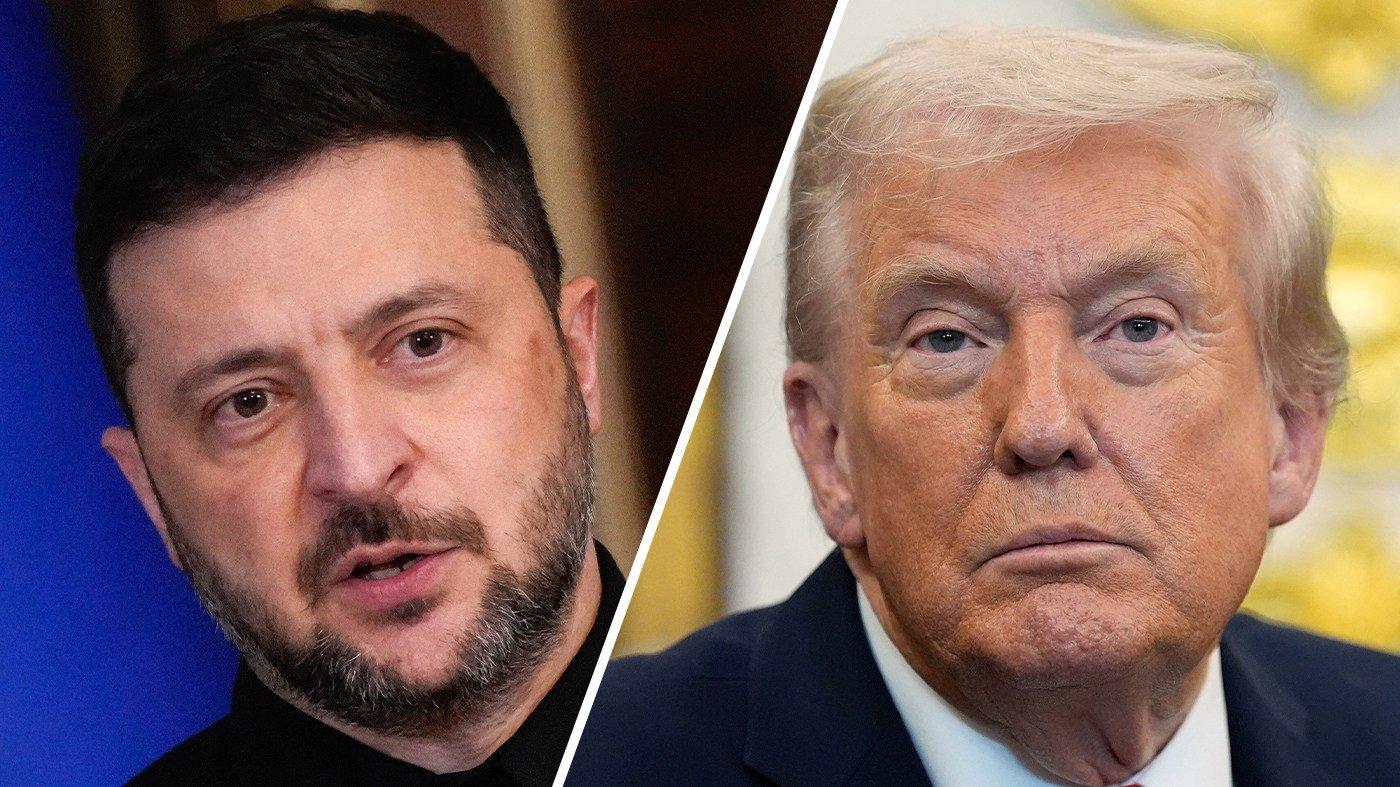
Last week, the G7 issued a joint statement condemning Iran's "unjustifiable attacks" and affirming members' readiness to support global energy supplies—an effort to paper over initial rifts after Europe rebuffed President Trump's calls for help securing the strait. Trump has since criticized allies for withholding support, specifically targeting German Defense Minister Boris Pistorius for stating "it's not our war." Trump retorted, "Well, Ukraine's not our war, but we help," highlighting the administration's expectation for burden-sharing.
Analysts note Europe's precarious balancing act. "They need the United States to continue cooperating on Ukraine," said Sudha David-Wilp of the German Marshall Fund. "There is this sense that they don't want to outright reject what the administration is asking... But they don't see the strategic objective nor the strategy to say we're all in." This tension mirrors other high-stakes negotiations between the administration and skeptical partners on sensitive security matters.
Diplomatic Overtures and Military Risks
Amid the friction, diplomatic efforts continue. Trump's special envoy for peace missions, Steve Witkoff, revealed on Thursday that a 15-point "action list" had been delivered to Iran via Pakistani intermediaries as a framework for a potential deal, though he withheld specifics. "If we can convince Iran that this is the inflection point... we have strong signs that this is a possibility," Witkoff said. Trump pointed to Iran's allowance of ten Pakistani-flagged tankers through the strait as a goodwill gesture.
However, European trust in this process is low. "Clearly, European allies have a strong preference for resolving this through diplomacy," said Ian Lesser, a distinguished fellow with the German Marshall Fund in Brussels. "A great deal of this is there's absolutely no clarity about what has been put on the table and what is being negotiated in a serious fashion." Allies are particularly wary of U.S. pressure for direct military involvement. Lesser added that while Europe might discuss energy security and maritime patrols, "American demands for European participation in near term in military dimensions of the war I think would be met with a lot of skepticism."
The G7 meeting underscores a broader pattern of the administration pursuing aggressive foreign policy goals while managing complex coalition dynamics, a challenge also seen in domestic policy clashes such as the escalating federal-state conflict over immigration enforcement. The outcome will signal whether the transatlantic alliance can forge a unified front on Iran or if strategic divergences will deepen, impacting global energy markets and security far beyond the Middle East.