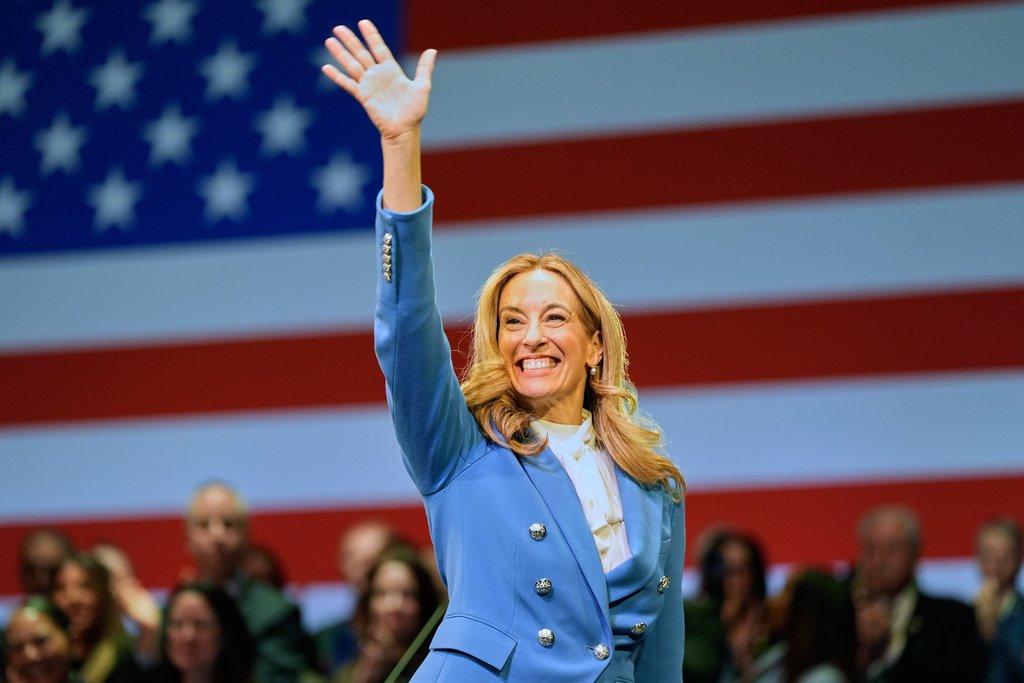
New Jersey Governor Mikie Sherill, a Democrat, signed a trio of bills into law Wednesday that significantly curtail federal immigration enforcement activities within the state, marking a major escalation in the ongoing conflict between sanctuary jurisdictions and the Trump administration. The legislative package prohibits Immigration and Customs Enforcement (ICE) officers from wearing masks during operations, restricts state and local cooperation with federal immigration authorities, and bars officials from sharing residents' immigration status information.
Governor Cites Safety, Federal Overreach
In a statement on social media, Governor Sherill framed the laws as a necessary response to what she characterized as dangerous federal tactics. "Donald Trump's untrained, unaccountable, masked ICE agents are putting people in danger," Sherill wrote. She asserted the legislation would "keep our communities safe" by strengthening trust with law enforcement and protecting privacy "from federal overreach," concluding, "In New Jersey, we still follow the Constitution and uphold the rule of law."
Federal Government Vows Defiance
The response from the Department of Homeland Security was swift and confrontational. Lauren Bis, the acting Assistant Secretary for Public Affairs, denounced the mask ban in particular as "despicable and a flagrant attempt to endanger our officers." In a statement, Bis declared, "To be crystal clear: we will not abide by this unconstitutional ban," invoking the Constitution's Supremacy Clause, which establishes federal law as supreme over state law. The administration argues masks are essential for protecting agents and their families from retaliation and doxing by agitators.
This legal clash is the latest in a series of confrontations between Sherill and the Trump administration. The federal government sued the governor in February after she issued an executive order blocking ICE arrests on nonpublic state property. Last week, Sherill filed her own lawsuit to stop the establishment of a new immigration detention facility in New Jersey. Her stance has been influenced by controversial federal operations elsewhere, such as in Minnesota where ICE agents fatally shot two U.S. citizens, an incident that has fueled broader Democratic demands for reform.
National Sanctuary Movement Gains Momentum
New Jersey's action places it at the forefront of a growing state-level movement. It becomes the second state, following Washington, to enact a mask ban for law enforcement officers. Similarly, Virginia Governor Abigail Spanberger recently terminated her state's cooperative agreements with ICE. This subnational resistance occurs as massive protests continue to target Trump administration policies on immigration, highlighting the deep national divide on the issue.
The political stakes are high, with immigration enforcement becoming a central fault line. Congressional Democrats have withheld Department of Homeland Security funding for over 40 days following the Minnesota operation, demanding a federal mask ban, a universal code of conduct, and warrant reforms for immigration officers. This standoff underscores how immigration policy is shaping budgetary battles and intergovernmental relations. The administration's approach, now under the leadership of newly sworn-in Homeland Security Chief Mark Mullin, remains a flashpoint, with even former Border Patrol officials launching public critiques of its strategy.
Beyond the immediate legal fight, these state laws touch on broader themes of privacy, federalism, and policing. The debate over information sharing between state and federal entities mirrors contemporary conflicts in other domains, such as the ongoing tensions between tech platforms and government over data and content moderation, exemplified by the recent landmark settlement imposing restrictions on federal agencies' social media interactions. Furthermore, the argument over identifying law enforcement personnel resonates with parallel discussions about media and information control within the national security apparatus.
The ultimate test will be in the courts, where the constitutional argument between state sovereignty and federal supremacy will be adjudicated. For now, New Jersey has drawn a clear line, ensuring that immigration enforcement will remain a potent and legally fraught issue through the election cycle and beyond, with significant implications for community trust, officer safety, and the limits of federal power.