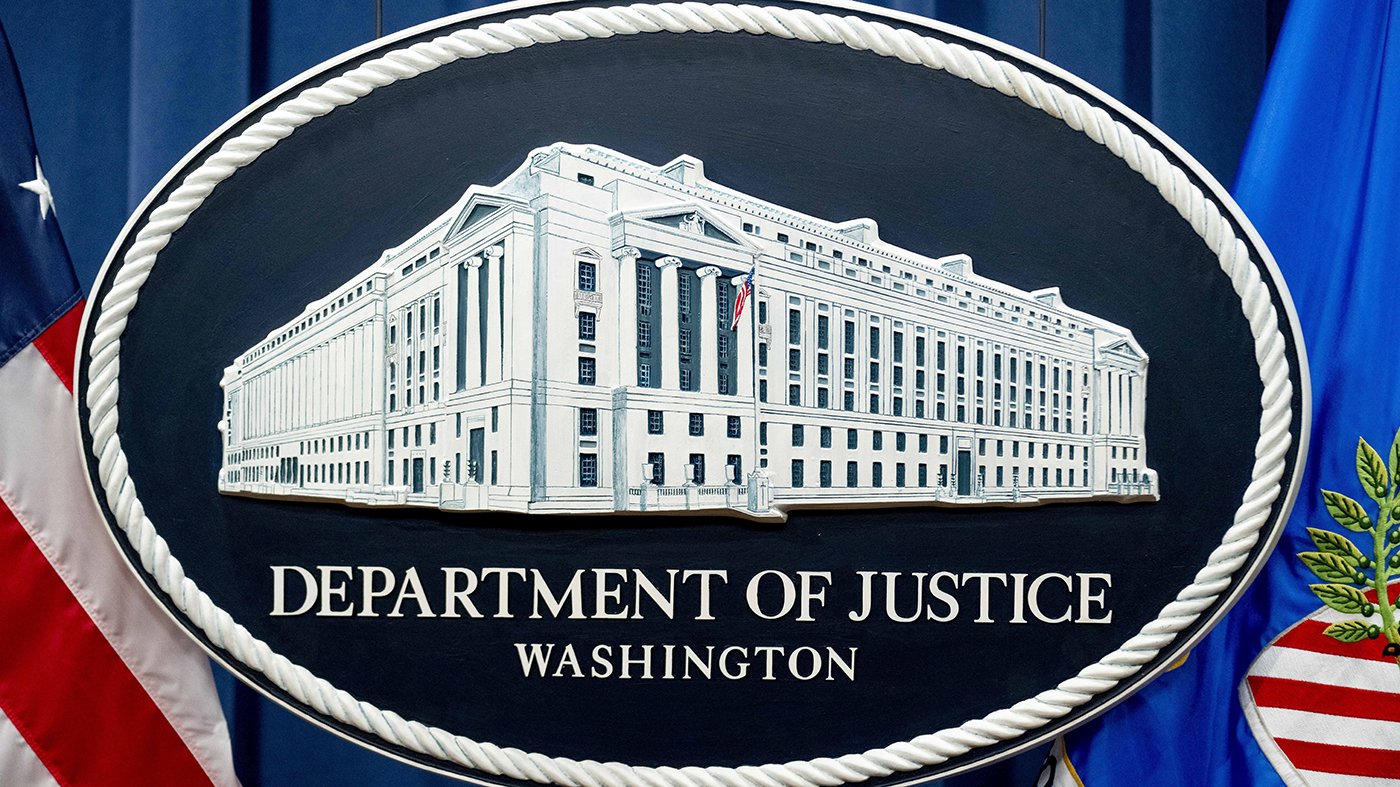
The Justice Department has reached a settlement in a high-profile lawsuit that accused officials from the previous administration of improperly pressuring major social media platforms to suppress content. The agreement, filed in federal court in Louisiana, imposes significant restrictions on key federal agencies for the next decade.
Terms of the Settlement
Under the terms of the settlement, the Centers for Disease Control and Prevention (CDC), the Cybersecurity and Infrastructure Security Agency (CISA), and the Surgeon General's Office are barred for ten years from engaging in conduct that coerces or significantly encourages social media companies to remove or suppress lawful speech. This legal action resolves litigation first initiated in 2022 by the Republican attorneys general of Missouri and Louisiana, along with several private plaintiffs.
The original lawsuit alleged that federal officials violated the First Amendment by systematically urging platforms to take down posts, particularly those expressing conservative viewpoints. The targeted content frequently involved discussions about the origins of COVID-19, pandemic-era health policies, and questions surrounding the integrity of the 2020 presidential election.
Political and Legal Context
Former Attorney General Pam Bondi, who helped champion the case, praised the settlement as a critical step in rectifying what she called the Biden administration's "abuses of the First Amendment, especially against conservative media." The Justice Department stated this week that the settlement aligns with President Trump's mission, articulated in a January 2025 executive order, to "restore freedom of speech" and end what he termed "federal censorship."
The case had previously reached the Supreme Court, which in a 6-3 decision last year ruled that the plaintiffs lacked legal standing to sue, sidestepping a definitive ruling on the underlying constitutional questions. The settlement effectively brings the long-running dispute to a close on administrative grounds.
White House spokesperson Kush Desai reiterated the administration's stance, telling reporters that the Trump administration is "committed to ensuring Americans' First Amendment rights are never impinged again." Senator Eric Schmitt (R-Mo.), who launched the suit during his tenure as Missouri's attorney general, hailed the outcome as a "massive win" for free speech protections.
Broader Implications and Administration Actions
This settlement is part of a broader pattern of policy shifts and legal actions undertaken since President Trump's return to office. The administration has moved swiftly on several fronts, from extending surveillance authorities citing national security needs to implementing stricter immigration enforcement, as seen when an appeals court recently upheld its mandatory detention policy for migrants.
The resolution of this case also intersects with ongoing debates about government communication with media entities. It follows reports of new media restrictions at the Pentagon and occurs amid other contentious political maneuvers, such as the effort by some Republicans to rename a major Florida airport for the former president.
While the settlement imposes clear constraints on specific agencies, it leaves unresolved larger questions about the appropriate boundaries between government public health and security communications and unconstitutional coercion of private platforms. The ten-year injunction represents a substantial legal rebuke to the practices of the prior administration and sets a precedent that will guide federal interactions with technology companies for the foreseeable future.