Federal Push Follows State-Level Vote
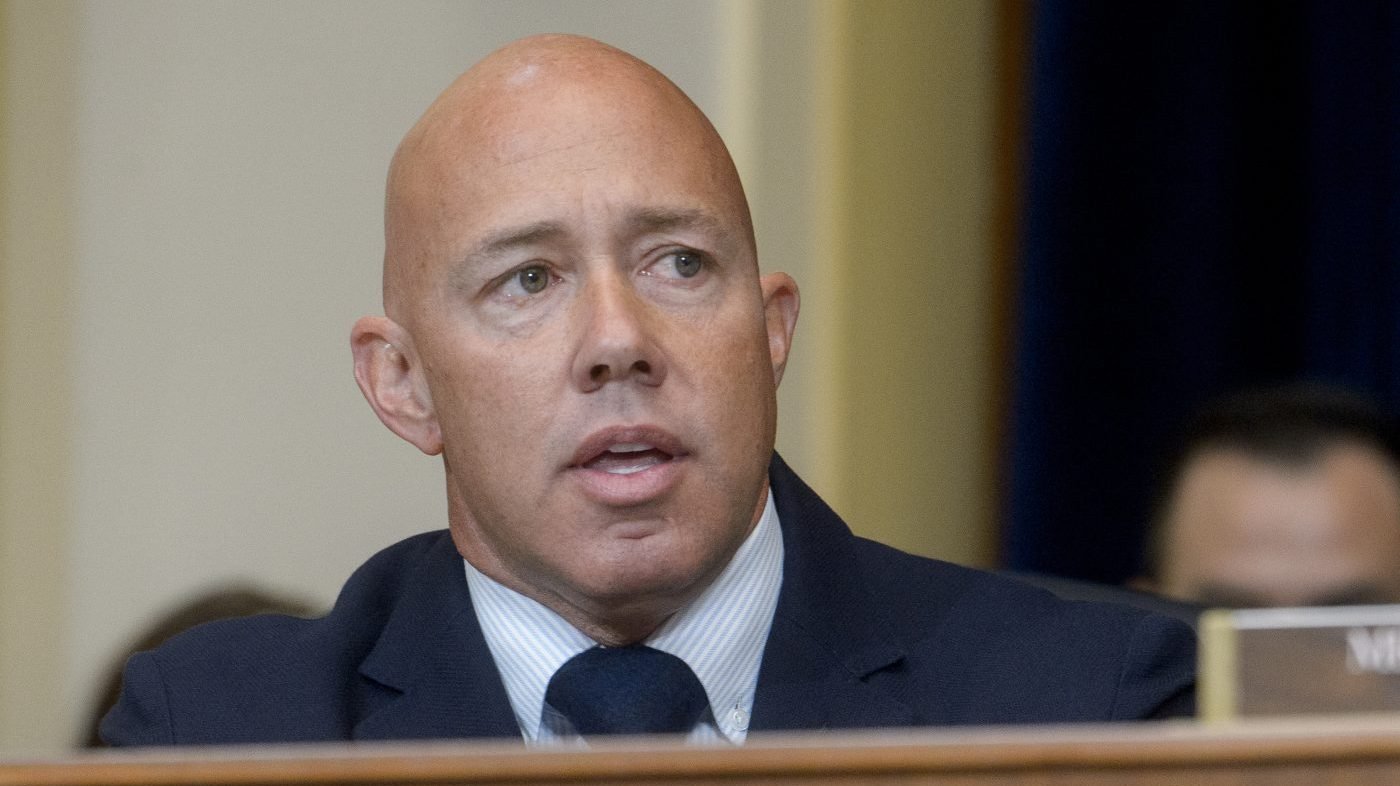
Florida Republican Representative Brian Mast has introduced a bill in Congress to rename Palm Beach International Airport (PBI) after former President Donald Trump. The legislation, designated H.R.8054, was filed with the House Transportation and Infrastructure Committee, which is chaired by Missouri Republican Sam Graves.
This federal move comes just over a month after Republican majorities in both chambers of the Florida legislature passed similar measures. The state bill passed with votes of 81-30 in the House and 25-11 in the Senate. It now awaits the signature of Florida Governor Ron DeSantis, another Republican. If signed, the name change would take effect on July 1, pending approval from the Federal Aviation Administration (FAA).
Legislative Details and Sponsors
Mast, who represents Florida's 21st Congressional District, has secured co-sponsors for the bill from fellow Florida Republicans Anna Paulina Luna and Daniel Webster. Webster holds a seat on the Transportation and Infrastructure Committee, potentially aiding the bill's path through the panel. The full text of the federal legislation was not immediately available on the official congressional website at the time of introduction.
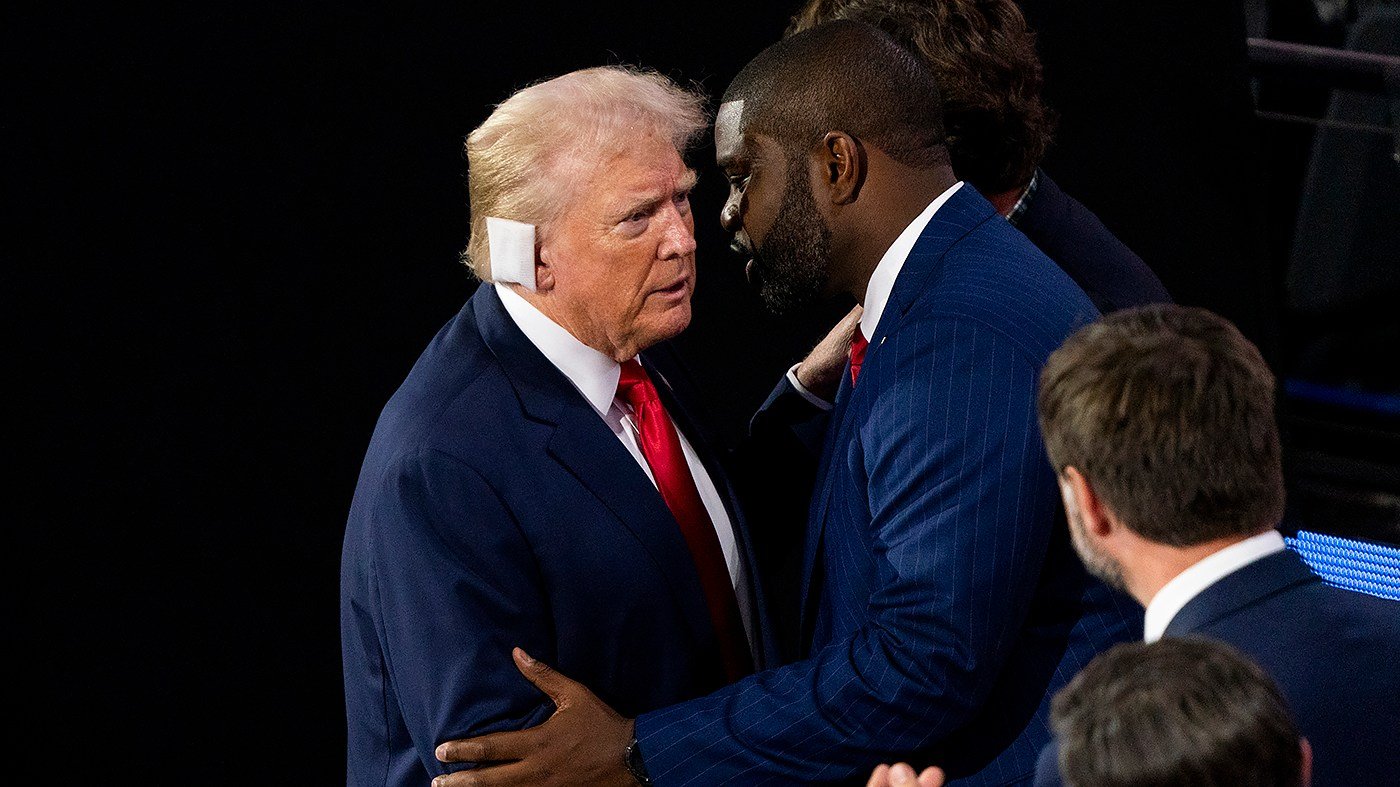
The airport in question is located approximately four miles from Trump's Mar-a-Lago club in Palm Beach. Trump, originally from New York, formally changed his residency to Florida during his first term in the White House.
Broader Context of Naming Efforts
The push to affix Trump's name to the airport is part of a broader pattern since his return to private life. His administration and allies have moved to associate his name with various federal buildings, programs, and initiatives. These have included proposals for the Kennedy Center, the U.S. Institute of Peace, a prescription drug platform dubbed TrumpRx, and proposed investment accounts for children.
Separately, the Trump Organization, now managed by his sons Donald Trump Jr. and Eric Trump, filed last month to trademark the use of the former president's name in connection with airports. This commercial filing underscores the intersecting political and business dimensions of the branding effort.
This legislative action occurs amid ongoing political shifts in Florida, where Democrats recently flipped two state legislative seats in districts Trump had won, highlighting the state's competitive political landscape. Furthermore, airport operations and security remain a focal point for federal policy, as seen when the Trump administration deployed ICE officers to airports during a Department of Homeland Security funding dispute.
The renaming effort, while symbolic, reflects the continued political influence of the former president within the Republican Party, particularly in his adopted home state. The process now involves parallel tracks at the state and federal levels, with both requiring executive approval—from Governor DeSantis and the FAA, respectively—to become reality.