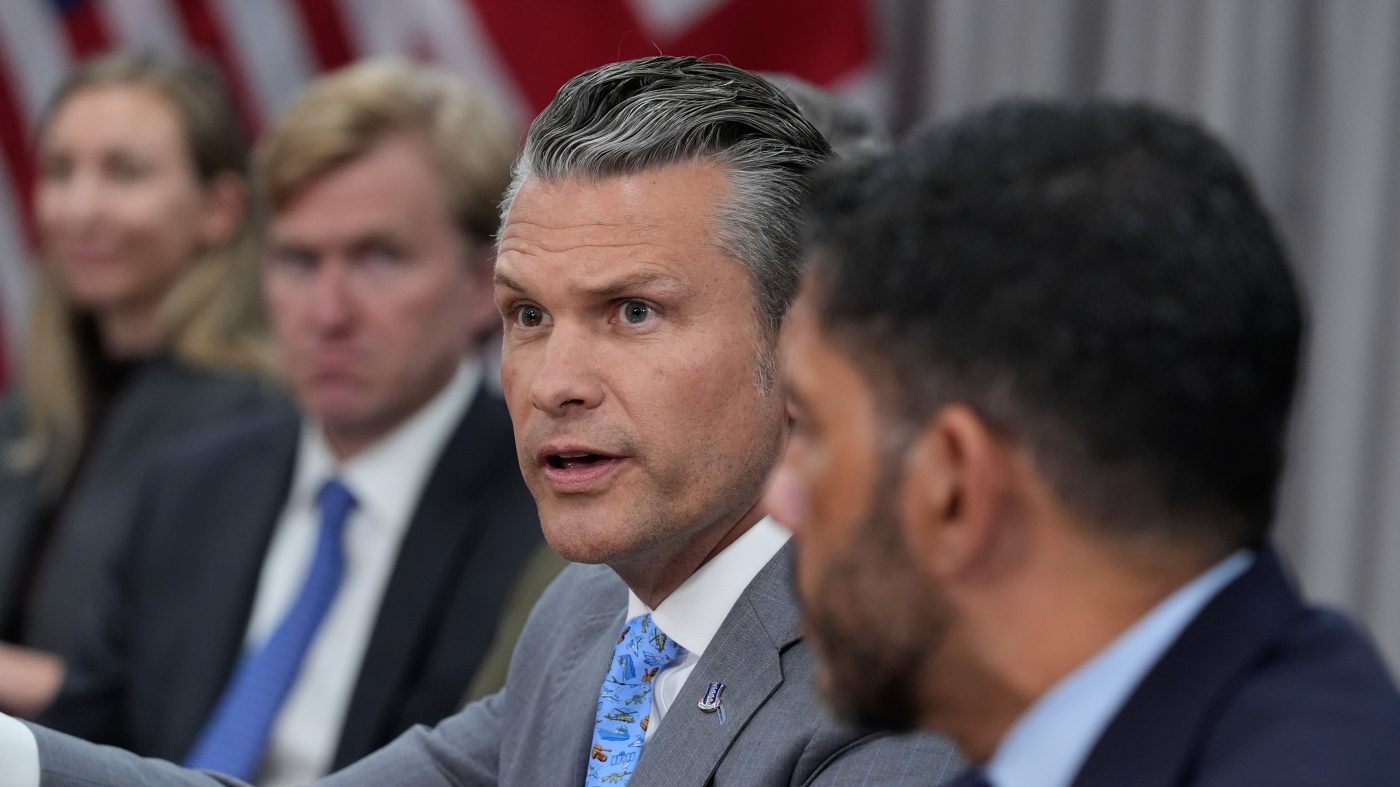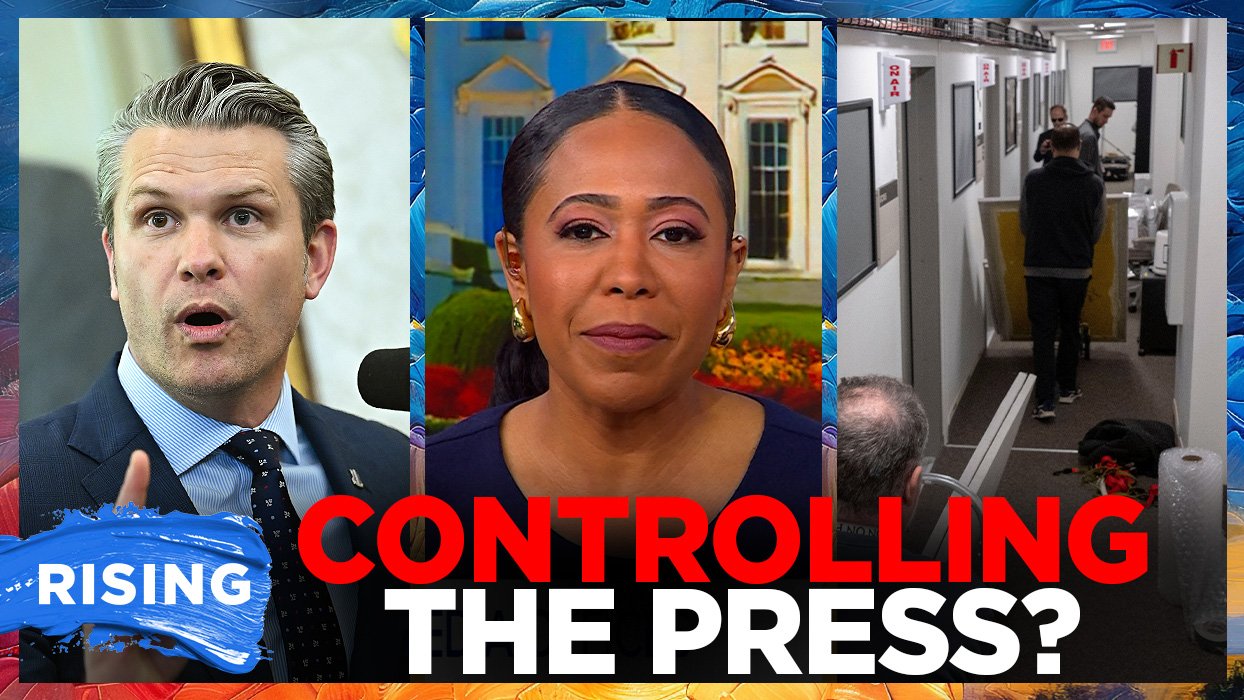
The Defense Department is implementing a new set of operational rules for journalists covering the Pentagon, actions that press freedom advocates describe as a calculated test of how much the government can restrict information flow while maintaining technical compliance with a recent court order. This development follows a federal judge's finding that the Pentagon's previous media policy likely violated the First Amendment.
While officials state they are adhering to the court's directive, their response includes shuttering the 'Correspondents' Corridor,' a workspace reporters have used inside the building for decades. It will be replaced by an undefined 'annex' located outside the Pentagon, with no clear timeline for its establishment. Simultaneously, the department has instituted a new rule requiring journalists to be escorted at all times while inside the facility.

On the surface, these changes appear to be logistical adjustments. In practice, however, they represent a fundamental shift in the environment for national security reporting. Journalism in this sphere relies on access, spontaneous interaction, and the ability to cultivate confidential sources—processes severely hampered when every movement is monitored and independent workspace is eliminated.
A Constitutional Rebuke
The backdrop to this confrontation is a significant legal ruling. A federal judge determined the Pentagon's earlier accreditation system likely constituted unconstitutional viewpoint discrimination. The judge noted the policy appeared designed to replace 'disfavored journalists' with those more willing to 'serve' the government's interests. The rules were also criticized for being impermissibly vague, leaving reporters uncertain about what conduct—including simply asking certain questions—might lead to revocation of their credentials.
Rather than fully retreating, the Pentagon has appealed the ruling while rolling out these revised restrictions. This creates a scenario where, technically, journalists retain nominal access to briefings and can request interviews, but the practical mechanics of their work are profoundly constrained. As the New York Times has reported, this approach appears to defy the spirit of the court's order.
Managing the Narrative
Critics argue the real objective is narrative control. By removing physical workspace, limiting free movement, and inserting oversight into every reporter-source interaction, the Defense Department isn't merely managing security—it's managing what information reaches the public. This is particularly consequential given current global tensions, including ongoing conflicts in the Middle East and major U.S. military deployments, moments when democratic oversight is most critical.
The National Press Club has warned that these measures 'would sharply limit how journalists gather news, build sources and cover one of the most powerful institutions in government.' The core issue extends beyond reporter convenience; it concerns the public's right to know. When journalistic access is curtailed, public visibility into government actions diminishes, and with it, accountability.
The Pentagon maintains these steps are necessary for security. Journalists and First Amendment experts counter that they are about control. The courts have already expressed constitutional skepticism. The current pattern—compliance on paper paired with restriction in practice—echoes broader tensions between the state and the press. This situation also unfolds amid other high-stakes legal conflicts involving the executive branch, such as the Supreme Court's handling of a related defense ruling and a separate judge's dismissal of a DOJ subpoena citing political pressure.
Ultimately, a functional free press depends not just on whether reporters are permitted to enter a government building, but on whether they can perform their jobs effectively once inside. The new Pentagon rules, by design, make that essential work far more difficult, setting a precedent for how other agencies might legally limit scrutiny during a period of significant global instability.