Following a closed-door meeting at the White House, congressional critics of the nation's expiring warrantless surveillance authority are now actively negotiating new legislative text with Trump administration officials. The discussions aim to bridge a significant divide over Section 702 of the Foreign Intelligence Surveillance Act (FISA), which permits the government to monitor communications of foreigners abroad but also incidentally collects data on Americans.
A Shift from "KILL FISA" to Negotiation
President Trump, who previously urged lawmakers to "KILL FISA" during its last reauthorization, has now reversed course and endorsed a straightforward renewal of Section 702. This shift has placed him at odds with privacy-focused members of his own party and across the aisle, who have long demanded reforms to protect Americans' constitutional rights. The meeting, which included members of the conservative Freedom Caucus and other skeptics, lasted two hours and was described by participants as productive.

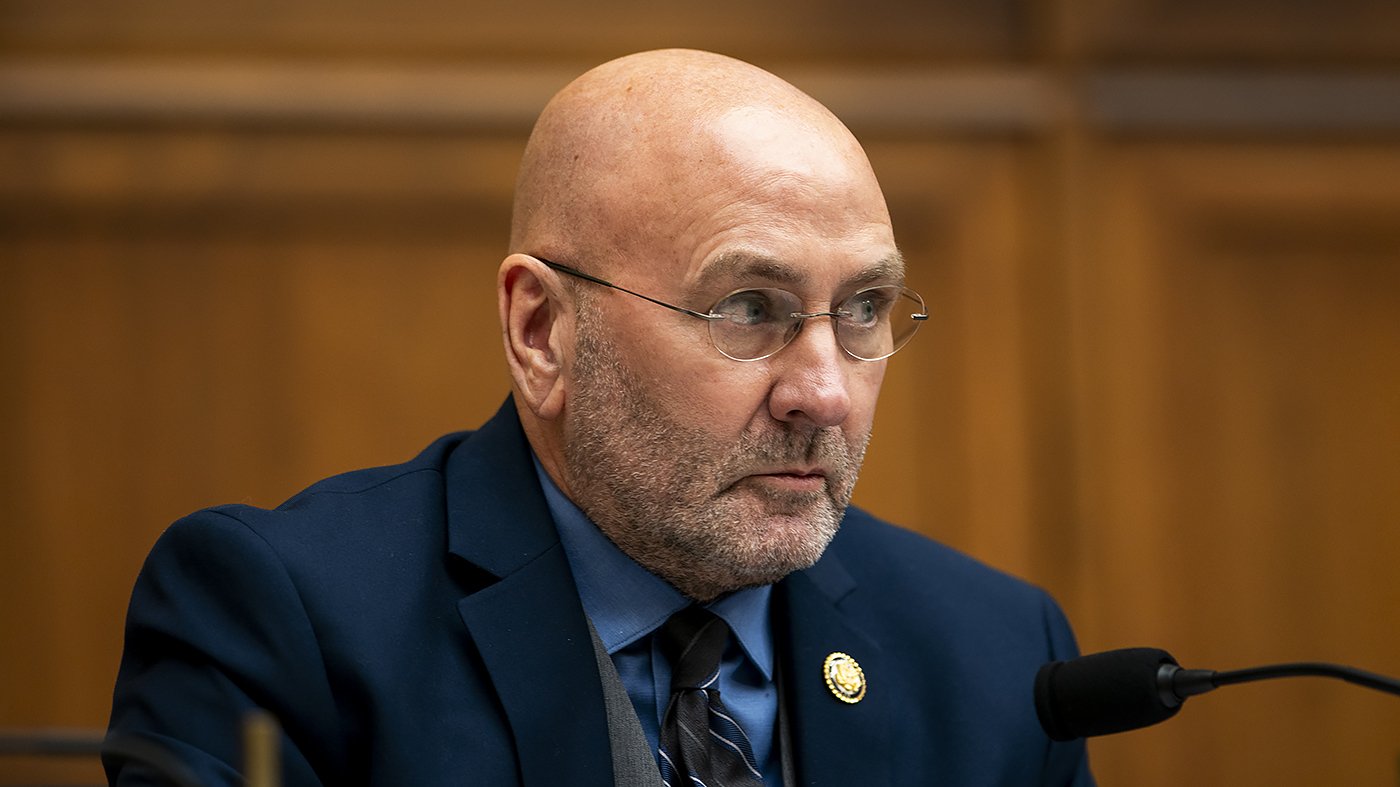
"I can tell you that we're working on fresh language right now, and I'm involved in that," said Rep. Clay Higgins (R-La.). "It's based upon an understanding and respect for each other's positions—although those positions are somewhat varied—but with the shared goal of getting the bill passed." Higgins described the central question as: "How can we address at least the edges of our concerns and get the bill done?"
Focus on Fourth Amendment Protections
While details remain closely held, Higgins confirmed the new language would operate in the "Fourth Amendment space," aiming to address concerns about warrantless queries of Americans' communications swept up in foreign intelligence collection. He stressed his constitutionalist stance, stating he would not support any bill that fails to protect citizens' Fourth Amendment rights. "We're getting closer to like an illuminated runway to land the plane, where we're all satisfied that this is the right runway," he added, using aviation metaphors to describe the delicate negotiations.
The push for a warrant requirement has been a persistent demand from a bipartisan coalition of privacy advocates in Congress. They argue that without judicial oversight, the government's ability to search incidentally collected data for Americans' information violates core protections against unreasonable searches. This internal GOP debate over surveillance powers occurs as the administration grapples with other national security challenges, including the fallout from recent military engagements in Iran.
However, the path to a deal is not yet clear. House Majority Leader Steve Scalise (R-La.) offered a more cautious assessment, initially stating no new text was being worked on "right now," before clarifying, "I haven't seen any new text that's been agreed to by everybody." The White House did not respond to requests for comment on the ongoing talks.
National Security Stakes and Broader Context
National security and intelligence officials have historically opposed any warrant mandate for querying the 702 database, arguing it would cripple their ability to act on threats in real time. They emphasize the necessity of accessing both sides of a conversation with a foreign target, even if an American is on the other end. This tension between security imperatives and civil liberties defines the long-running debate, which now appears to be entering a critical phase of compromise.
Other lawmakers confirmed the drafting efforts. Rep. Ralph Norman (R-S.C.), who voted against Section 702's last renewal, noted, "They're changing the text. Now I don't know whether it's enough or not, but they're changing it." Another member who missed the meeting due to a prior commitment also acknowledged "productive conversations" and that "there's some amending going on." The outcome of these talks will have significant implications for the intelligence community's toolkit, much like how legal rulings can unexpectedly constrain public health authorities during crises.
The negotiations underscore the complex legislative maneuvering required to reauthorize controversial authorities. As lawmakers work to finalize language, the broader political environment remains fraught with other pressing issues, from bipartisan efforts to address the national debt to ongoing diplomatic engagements. Whether the emerging "illuminated runway" leads to a safe landing for the surveillance program, or results in another legislative stall, will be a key test of the administration's ability to navigate internal party divisions on a matter of profound constitutional and security importance.