A federal judge has blocked the Biden administration's attempt to reconstitute a pivotal vaccine advisory panel, throwing the nation's immunization policy process into disarray at a critical moment. The ruling last week found the government acted unlawfully in its effort to appoint new members to the Advisory Committee on Immunization Practices (ACIP), forcing the cancellation of its scheduled meeting and creating immediate uncertainty for the Centers for Disease Control and Prevention's vaccine guidance.
A System in Crisis as Measles Spreads
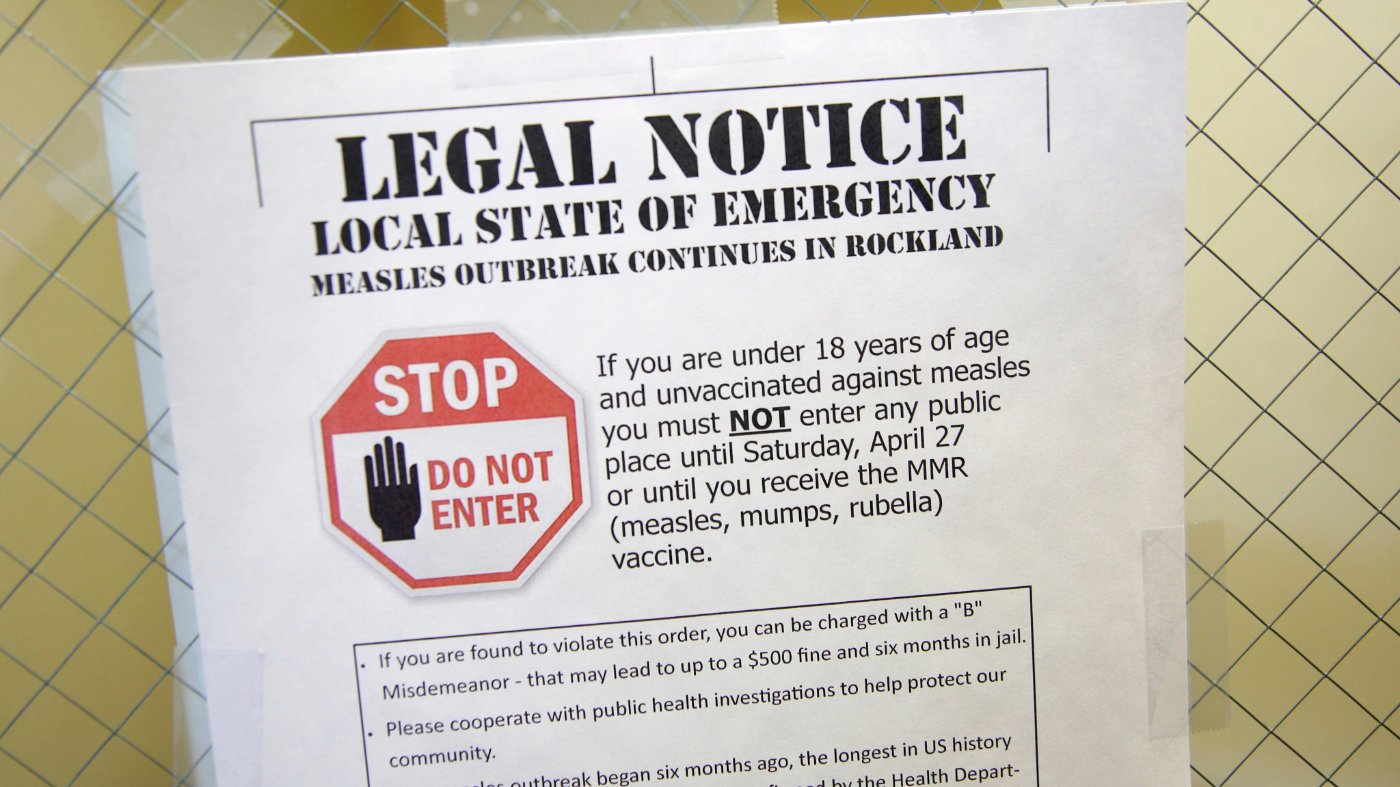
This legal and administrative paralysis coincides with a dangerous resurgence of measles across the United States. After declaring the disease eliminated in 2000—a landmark achievement of sustained high vaccination rates—the country now faces sustained community transmission in states including Texas and South Carolina. With over 2,000 confirmed cases in 2025 and more than 1,000 additional cases already in 2026, public health officials warn the U.S. is on the brink of losing its hard-won elimination status.

The human cost is mounting. In 2025, two children and one adult died from measles, all unvaccinated. These were the first measles fatalities recorded in the U.S. since 2015, when cases remained rare and contained. Measles serves as a signal flare for a broader institutional crisis within the CDC and the public health system. The potential loss of elimination status represents the clearest warning yet of the risks when scientific institutions are weakened and politicized.
An Exodus of Expertise
Career scientists and public health professionals are leaving the agency in alarming numbers. Estimates from the National Public Health Coalition suggest nearly 3,000 CDC staff departed through illegal firings, resignation, or early retirement during 2025, with hundreds more leaving voluntarily in early 2026. This exodus has left the federal agency ill-equipped to perform its core function of protecting the public from infectious disease threats. As one former official noted, speaking from outside the agency has become the most effective way to serve the public.
What began as a routine transition of power has become sustained political interference. Decisions once guided by scientific evidence are now shaped by political priorities, with data translation subject to delays, edits, and vetoes. Career scientists have been replaced or sidelined, while health communication has been supplanted by overt political messaging. This erosion mirrors concerns in other areas of governance, such as the legal chaos threatening federal criminal cases under Attorney General Bondi's Justice Department.
The Consequences of Politicized Science
When scientists are sidelined, experts replaced with politically aligned advisors, and disease surveillance systems weakened, outbreaks spread farther and last longer. Guidance arrives late or becomes inconsistent, public trust erodes, and vaccine coverage declines. Government-directed censorship of research on health disparities and the removal of equity resources further limits outreach to populations at highest risk. We cannot protect populations we are not allowed to name or study.
Within the CDC, layoffs, budget cuts, and the removal of flexible work policies have destabilized teams and driven out irreplaceable expertise. A culture of fear has taken hold where questioning politically motivated directives carries professional risk. The result is an agency less capable of early detection, clear communication, and decisive response—a dangerous vulnerability when facing not just measles but rising cases of whooping cough and mumps. The reemergence of polio, with its risk of paralysis, is no longer unthinkable.
A Fragile Infrastructure
The current turmoil surrounding ACIP illustrates how fragile the nation's vaccine infrastructure has become. For decades, its independent scientific review process helped ensure immunization policy reflected the best available evidence. When that process is disrupted, the consequences ripple far beyond a single advisory meeting, affecting the credibility of all vaccine guidance and the stability of the entire immunization system. This institutional strain echoes challenges in other public health domains, including the growing dual threat from climate-driven fungal spread to health and agriculture.
However, this trajectory is not inevitable. The CDC still employs dedicated staff who must be allowed to work free from political interference. Americans can demand better by holding leaders accountable, supporting evidence-based public health, and maintaining vaccination for themselves and their communities. The events surrounding ACIP make clear that institutions safeguarding public health are under unprecedented strain. Restoring their independence and stability is essential not only to controlling measles but to preventing the broader collapse of a system that protects against infectious and chronic diseases alike, with consequences that will unfold for decades.