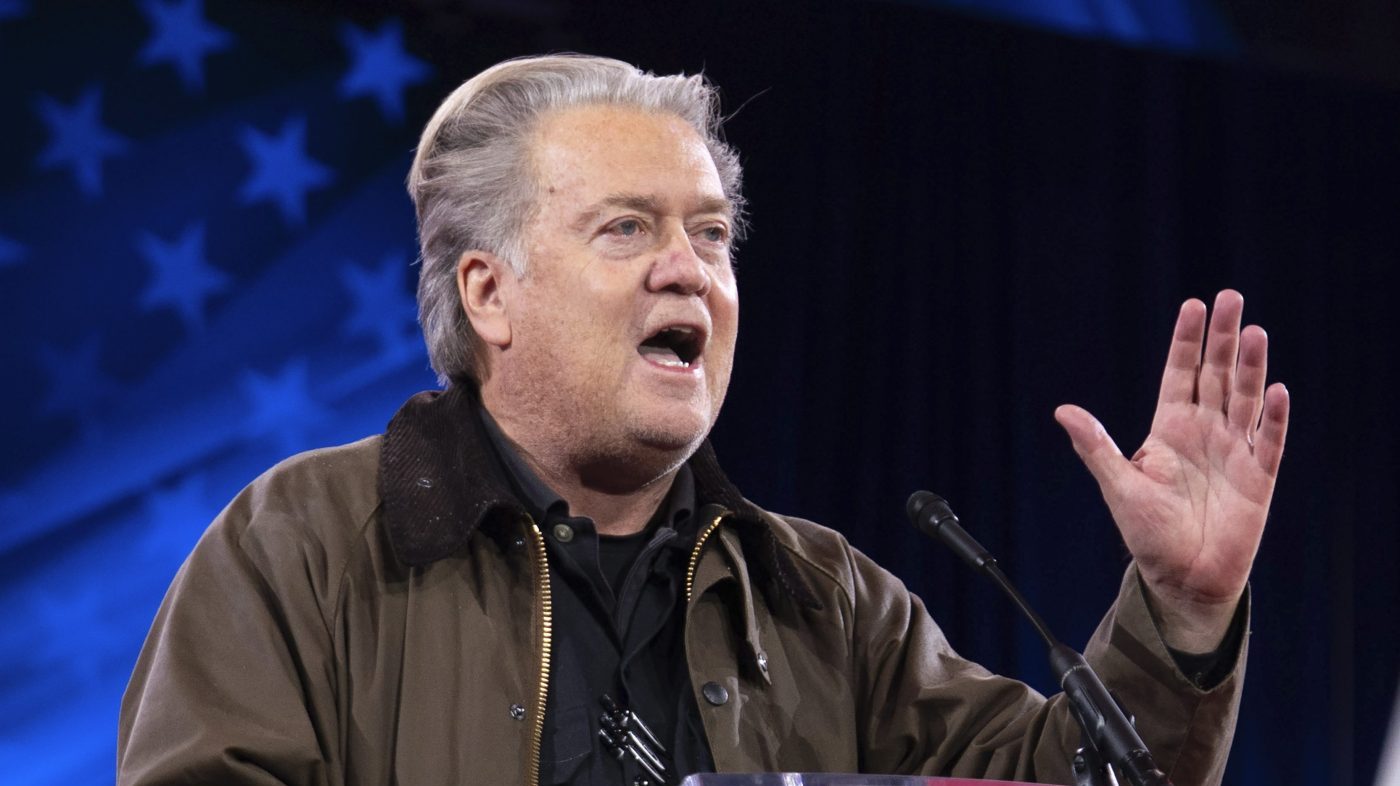
Speaking at the Conservative Political Action Conference in Texas, former White House strategist Steve Bannon issued a stark warning that the ongoing military confrontation between the United States, Israel, and Iran may be entering a dangerous new phase requiring American ground forces. Bannon told attendees the nation is likely at the beginning of a broader war, with the critical decision to escalate resting with President Trump.
"You must be convinced this is the correct course, especially as we approach the potential deployment of American combat personnel," Bannon stated. "Your children and grandchildren could find themselves on Kharg Island or securing a position near the Strait of Hormuz." His remarks referenced the strategic Iranian oil terminal, which handles the vast majority of the country's crude exports. Seizing it would necessitate a risky ground assault that military analysts warn could lead to significant casualties and close off diplomatic avenues.
Contrasting Assessments of the Conflict's Trajectory
Bannon's grim prognosis stood in direct contrast to more optimistic statements from the administration. President Trump has recently suggested operations are "winding down" after strikes he claims have severely degraded Iranian naval, air, and missile forces. Secretary of State Marco Rubio has provided foreign allies with a timeline measured in weeks, telling G7 counterparts the conflict would conclude within two to four weeks and later affirming to The Guardian it would end in "weeks, not months." Rubio asserted the U.S. would leave Iran weaker than it has been in recent history.
However, this official optimism was challenged from the same CPAC stage. Erik Prince, founder of Blackrock, emphasized that Iran's Supreme Leader holds sole authority to end hostilities. He noted that U.S.-Israeli strikes had killed members of the Supreme Leader's family, including his wife and father, the former Ayatollah. While the audience applauded this report, Prince cautioned against expecting a peaceful resolution. "I do not share the administration's optimism that there will be a peaceful stop to this," he said.
Warnings of Escalation and Strategic Concerns
Prince painted a dire picture of potential escalation, particularly if the U.S. attempts to forcibly open the Strait of Hormuz. "They will burn it down," he warned. "My real concern is that if they try to put boots on the ground, force open the Strait of Hormuz, you're going to see imagery of burning American warships in the next couple of weeks. And I don't think people are really prepared for that." His warning echoes concerns from other national security voices, such as former defense officials who have cautioned against the perils of a ground campaign.
Prince also downplayed the viability of supporting an internal armed opposition for regime change, an option both Trump and Israeli Prime Minister Benjamin Netanyahu have referenced. "There's never been a real preparation of an armed opposition inside the country," Prince argued, suggesting alternative methods from outside Iran's borders that would not require U.S. troops.
Behind the scenes, diplomatic efforts appear fraught. According to reports, Secretary Rubio acknowledged that U.S. mediators are struggling to negotiate an end to hostilities because it is unclear who in Tehran is making decisions. Iranian officials reportedly fear being located and targeted in airstrikes if they engage in communications.
The conflicting narratives—between administration assurances of a swift conclusion and warnings of a protracted ground war from influential conservative figures—highlight the uncertain and volatile state of the conflict. As some lawmakers have criticized the administration's vague strategy, the debate now centers on whether the current campaign of airstrikes can achieve its aims or if, as Bannon and Prince suggest, a far more dangerous and costly escalation is imminent.