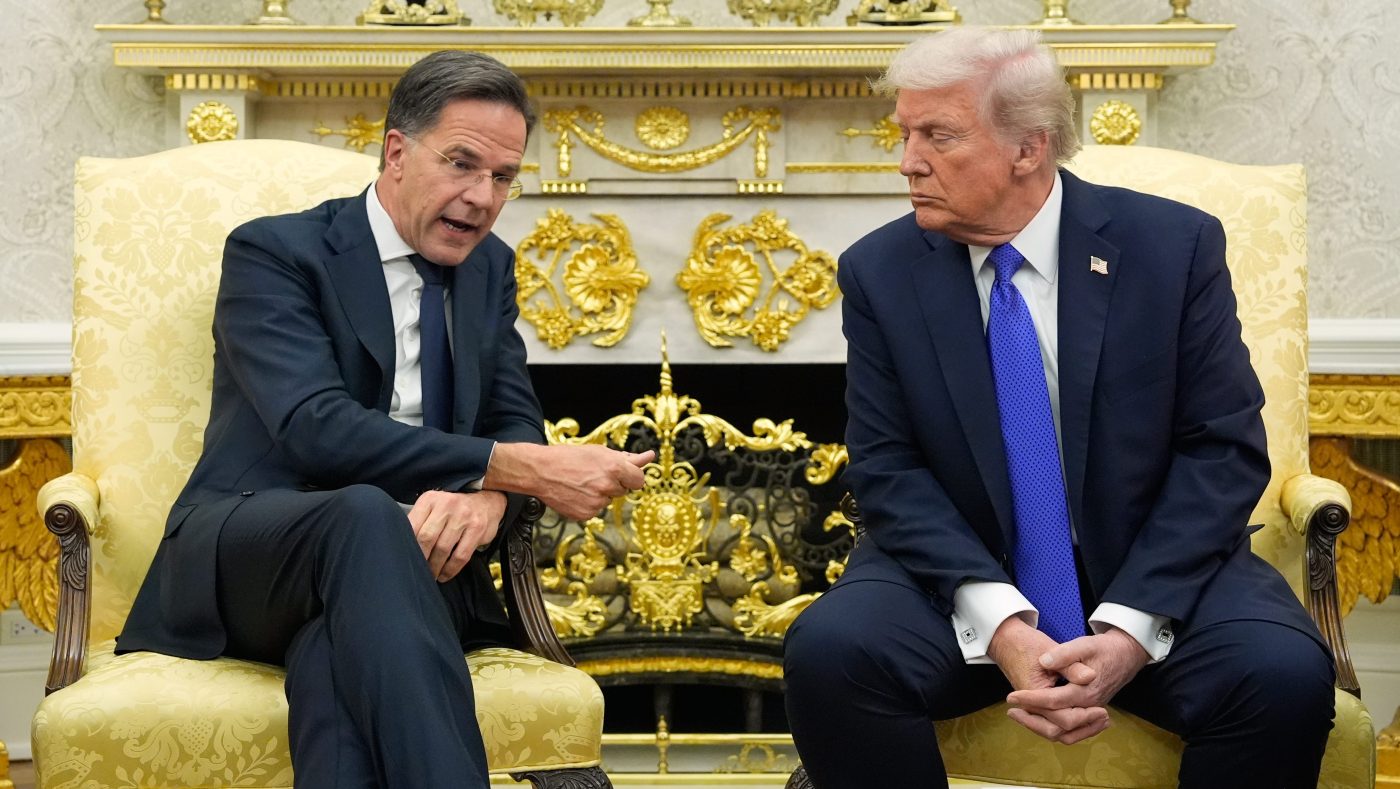
NATO Secretary-General Mark Rutte arrives at the White House on Wednesday for a high-stakes meeting with President Donald Trump, as two simultaneous crises threaten to fracture the trans-Atlantic alliance. The immediate flashpoint is the U.S.-Israeli military campaign against Iran, but the underlying tension stems from Trump's renewed threats to withdraw the United States from NATO itself.
A Volatile Diplomatic Moment
The meeting occurs against the backdrop of President Trump's bellicose rhetoric toward Iran. On Tuesday, he issued an ultimatum threatening that Iran's "whole civilization will die" by 8 p.m. EDT unless it struck a new deal and reopened the Strait of Hormuz. Hours later, he announced a two-week extension of that deadline, a move that followed his announcement of a pause in military action. This volatile approach has left European allies deeply unsettled and reluctant to commit forces.
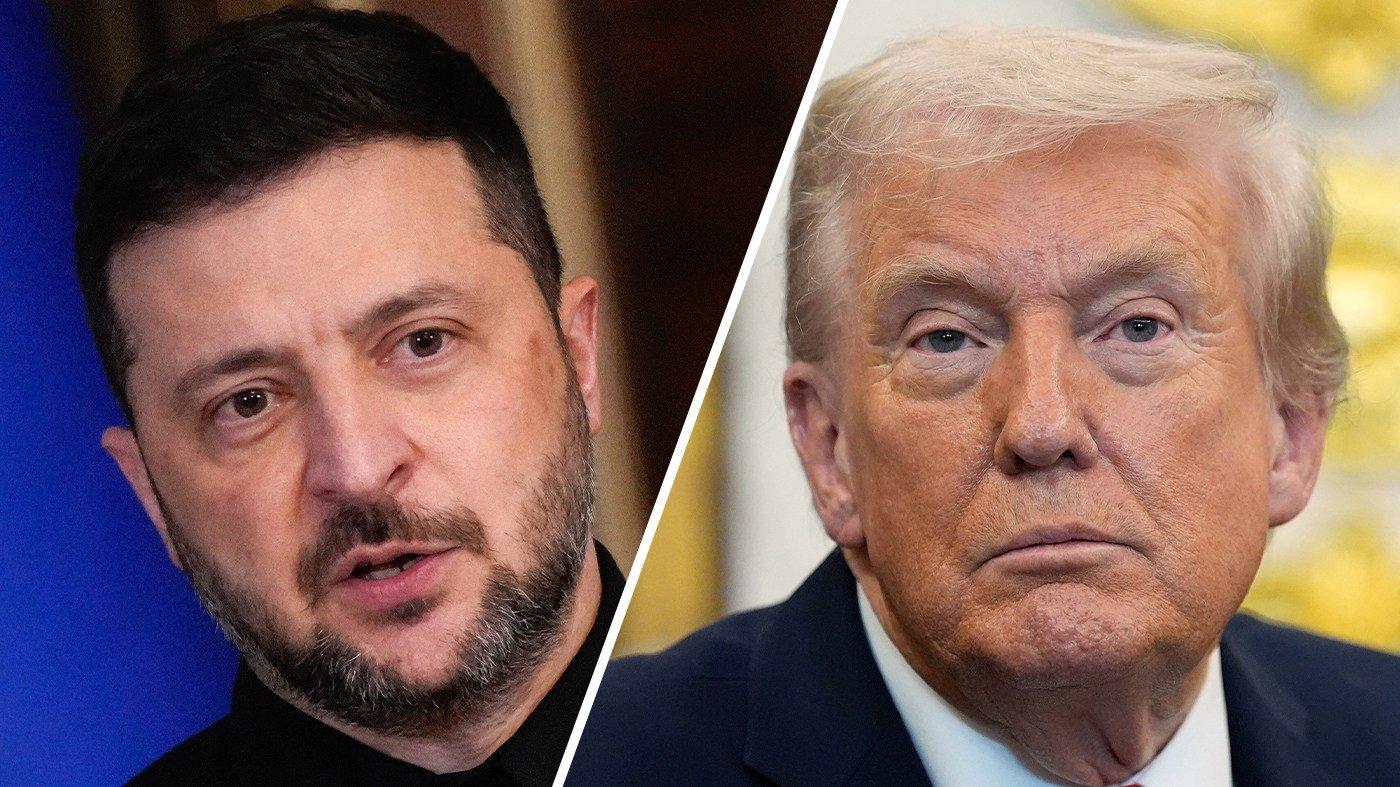
Trump has expressed fury that NATO members have refused to join military operations to reopen the Strait or provide naval escorts for tankers. In recent weeks, he has told European nations to either purchase U.S. oil or secure their own passage through the critical waterway. Key allies, including the United Kingdom, Germany, Italy, and Spain, have grown increasingly critical of the war and, in some cases, have barred U.S. use of their bases for offensive operations.
The NATO Survival Test
Beyond Iran, Rutte's core mission is to preserve NATO's cohesion. Trump last week revived threats to withdraw from the alliance, which he has derided as a "paper tiger." This puts Rutte, who has cultivated a unique rapport with Trump dating to his tenure as Dutch prime minister, in the role of chief interlocutor. He has been dubbed a "Trump whisperer" for his past successes in defusing tensions, such as during the Greenland dispute at the Davos summit.
Secretary of State Marco Rubio, once a staunch NATO defender, has adopted a harsher tone, questioning the alliance's value if it will not support U.S. interests in Iran. "If we can no longer use those bases to defend America's interests, then NATO is a one-way street," Rubio told Fox News. Matthew Kroenig of the Atlantic Council told The Associated Press that Rutte "has emerged as one of Europe’s most effective diplomats" and may be the only figure who can keep Trump constructively engaged with NATO.
European leaders, however, are reaching a breaking point. French President Emmanuel Macron and German Chancellor Olaf Scholz oppose joining offensive operations. The rift was underscored when Republican Senator Lisa Murkowski condemned Trump's 'civilization' threat as unacceptable, highlighting domestic political blowback. The Economist's editor-in-chief, Zanny Minton Beddoes, suggested on CNN that the U.S. and Europe may be headed for a "divorce," noting European fury at being called "cowards" after their sacrifices in Afghanistan.
Rutte's Delicate Balancing Act
A NATO official described Rutte's visit as "a long-planned" effort to bolster trans-Atlantic defense industry cooperation and discuss security dynamics, including Iran and Russia's war in Ukraine. Yet Rutte's charm offensives have drawn mixed reviews in Europe. He once described the dynamic of European nations seeking U.S. reassurance as akin to "a small child asking his daddy" if he was staying with the family—a comment he later clarified was not a direct reference to Trump.
While experts note Trump's formal power to exit NATO is limited without congressional approval, his threats and rhetoric alone are inflicting lasting damage on alliance trust. The immediate test is whether Rutte can navigate the dual pressures of an active Middle East conflict and an existential crisis for NATO. The outcome will signal whether the U.S.-led postwar security architecture can survive the current administration's pressures. As the meeting unfolds, all 32 NATO members will be watching to see if the "whisperer" can once again find common ground, or if the alliance faces an irreversible rupture.