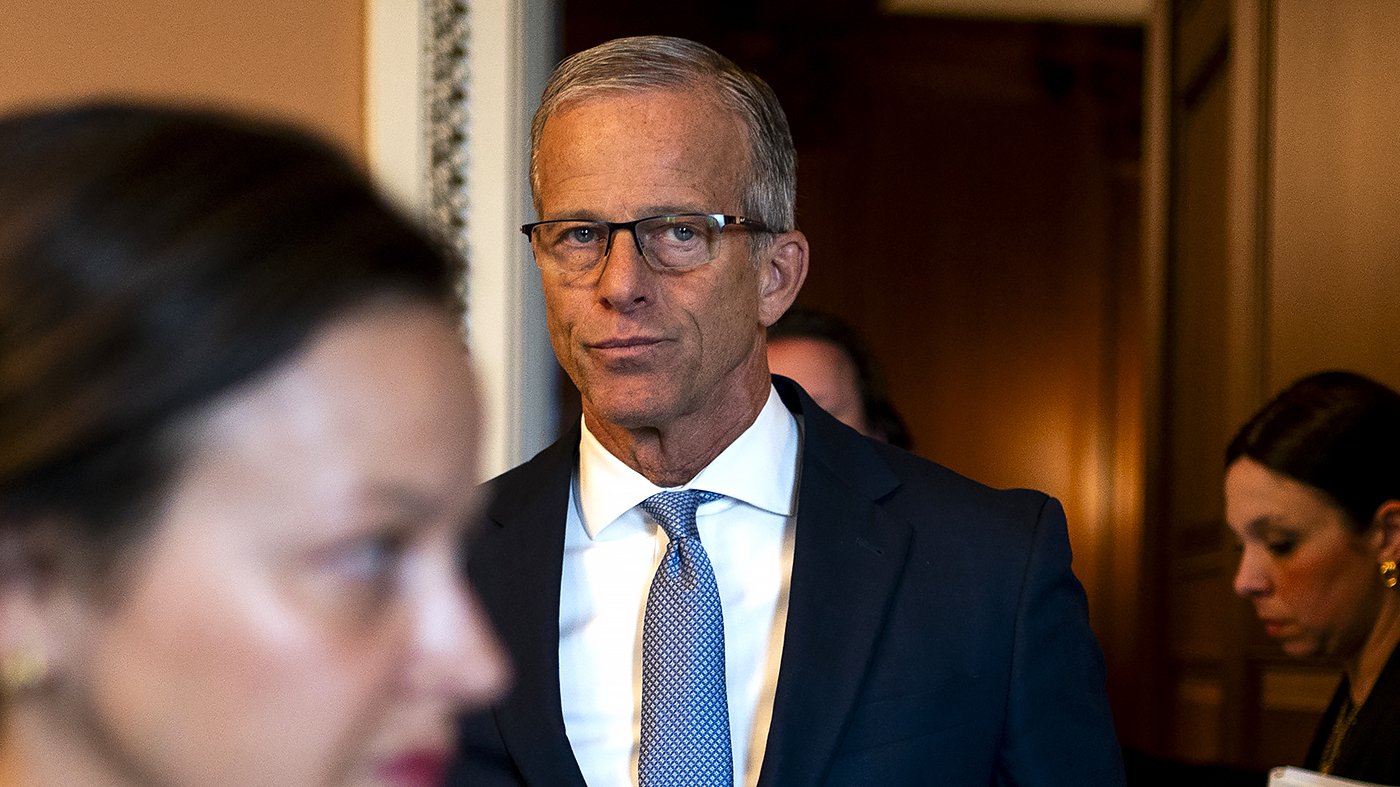
Senate Majority Leader John Thune (R-S.D.) escalated his push Monday for the White House to scrap a proposed $1.8 billion fund designed to compensate individuals prosecuted under the Biden-era Justice Department, calling the fund a major obstacle to advancing a stalled budget reconciliation package.
Speaking to reporters at the Capitol, Thune made clear he wants the administration to voluntarily shut down the so-called anti-weaponization fund. “I made my views very clear on the issue,” Thune said. When asked directly if he would prefer the White House abandon the fund, he nodded affirmatively. “I do think the best way to handle it is if the administration decides to shut it down themselves,” he added.
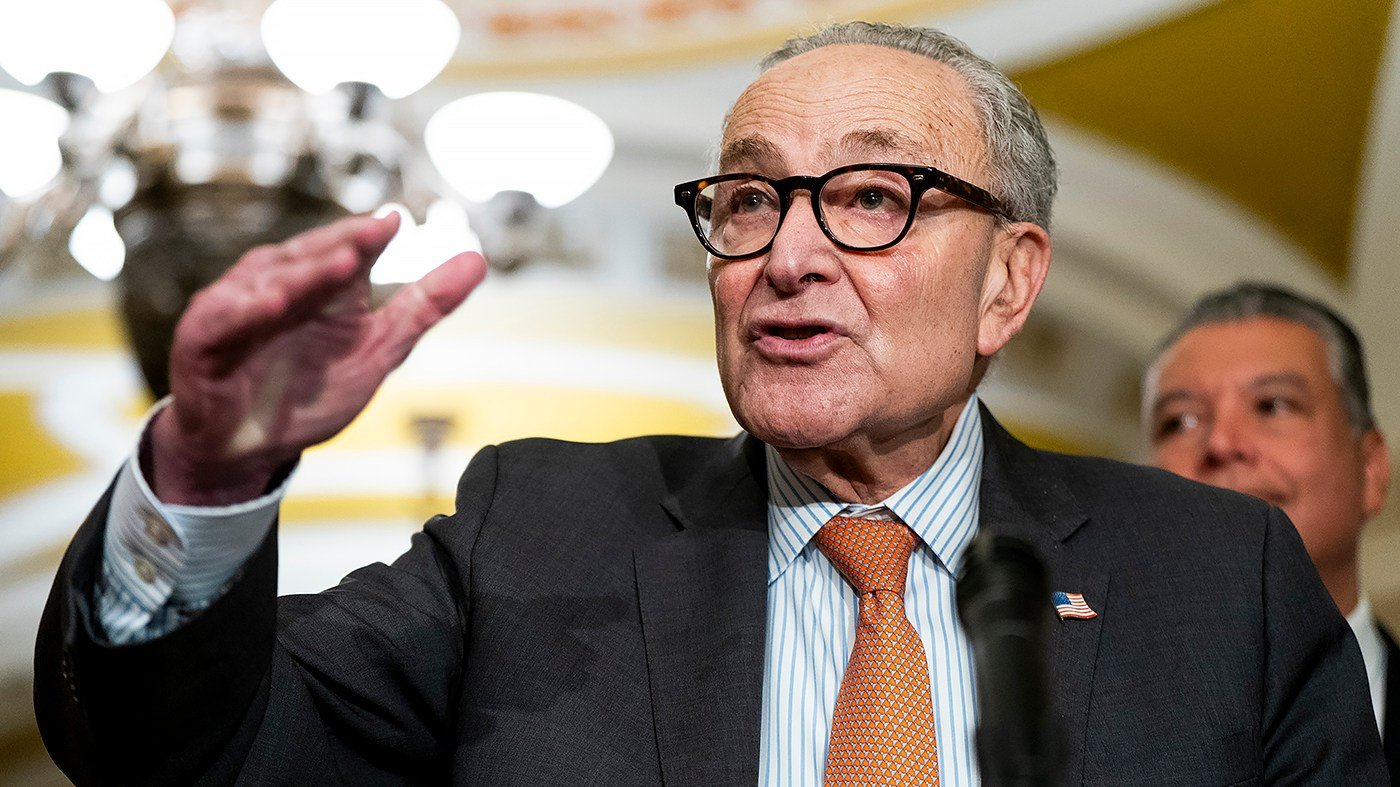
The fund has emerged as a flashpoint in negotiations over a $72 billion reconciliation package aimed at funding Immigration and Customs Enforcement and Border Patrol through 2029. That bill stalled before the Memorial Day recess after Senate Republicans refused to vote on it without a clear strategy for addressing the fund, which critics view as a politically motivated payout to supporters of former President Donald Trump.
The standoff underscores growing tensions within the GOP over Trump’s influence on legislative priorities. In a related development, Thune recently rebuffed Trump’s demand to fire the Senate parliamentarian over a separate funding dispute, signaling the majority leader’s willingness to push back on White House pressure.
The anti-weaponization fund has been a key demand of Trump allies, who argue it is necessary to remedy what they call the “weaponization” of the Justice Department under President Joe Biden. But moderate Republicans and some fiscal hawks have balked at the $1.8 billion price tag, warning it could undermine the party’s messaging on fiscal responsibility.
The broader reconciliation package, which includes significant increases in border security funding, now hangs in the balance. Thune’s latest comments suggest he is betting that the White House will ultimately yield rather than let the entire bill collapse. “The best path forward is for the administration to realize this fund is a nonstarter,” Thune said.
Meanwhile, Senate GOP leaders are bracing for a showdown over the fund when Congress returns from recess, with some conservatives threatening to block the reconciliation bill unless the fund is included. Thune’s public opposition could set up a direct confrontation with Trump, who has made the fund a personal priority.
The impasse also threatens to delay other legislative priorities, including a potential vote on Iran sanctions legislation. The ongoing Iran conflict has deepened the cost-of-living crisis, complicating the political calculus for Republicans who want to show progress on both border security and economic issues.
For now, Thune is betting that the White House will blink. “We need to move forward, and that means dropping this fund,” he said. Whether the administration agrees remains an open question, with the clock ticking on a tight legislative calendar.