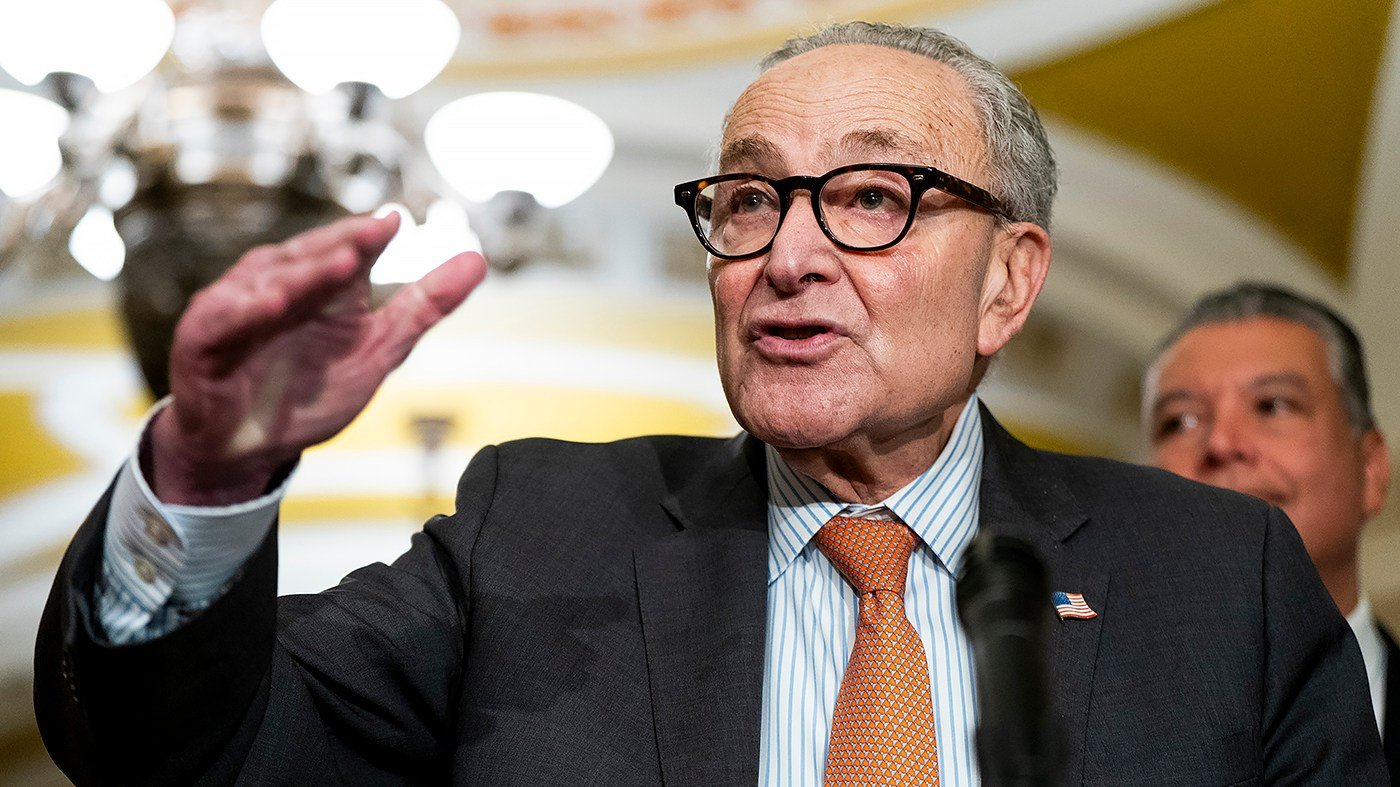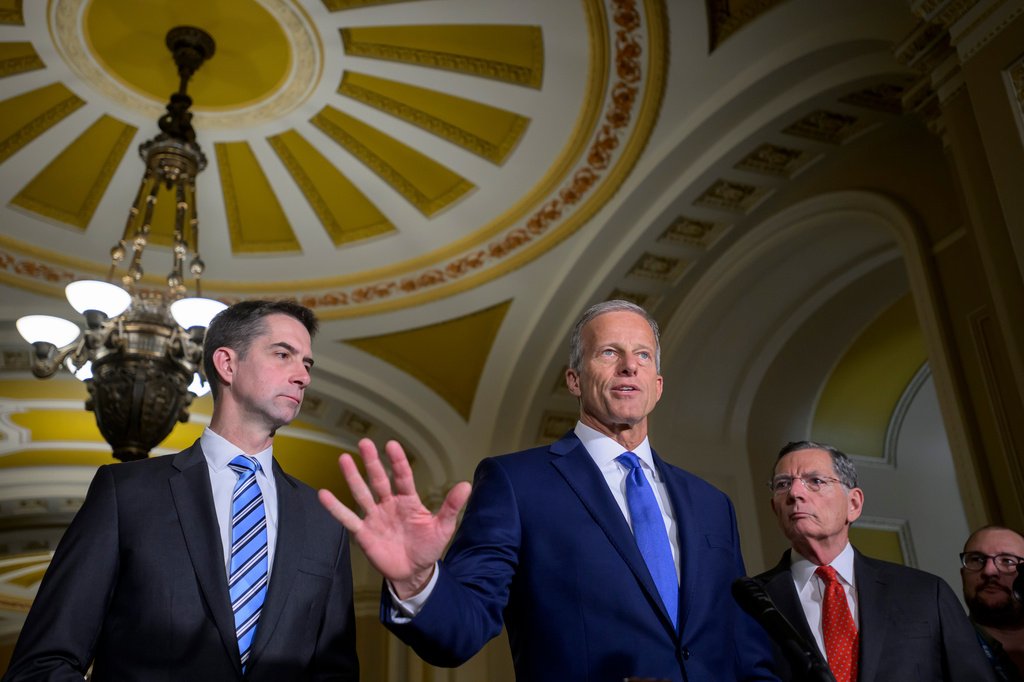
President Trump took to Truth Social last week to demand that Senate Majority Leader John Thune (R-S.D.) fire the nonpartisan Senate parliamentarian, Elizabeth MacDonough. Her transgression? She ruled that Trump's request to include $1 billion for White House ballroom security in the budget reconciliation bill violated the Byrd rule, which bars extraneous matters from such legislation.
Reconciliation is a special process that allows budget-related bills to pass the Senate with a simple majority, bypassing the 60-vote threshold needed to overcome a filibuster. The Byrd rule, authored by former Sen. Robert Byrd (D-W.Va.) in 1986 and made permanent in 1990, strictly limits what can be included in these bills. This procedural tool has become a flashpoint in the ongoing battle over funding priorities.
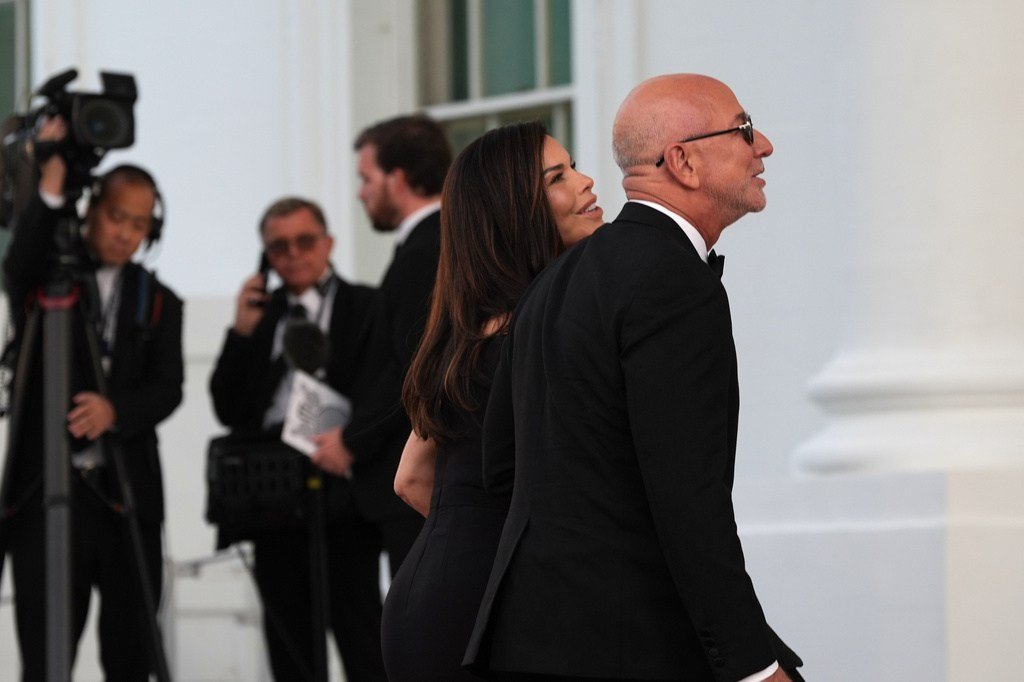
The White House ballroom, currently under construction, has been a source of controversy since Trump unilaterally moved forward with the project using $400 million in private donations, bypassing congressional approval. His subsequent request to use $1 billion in taxpayer money through reconciliation for related security measures sparked outrage across party lines.
Thune responded by acknowledging Trump's right to his opinion but called the targeting of the parliamentarian “concerning,” warning it could pose a threat to her personal safety. He also questioned whether there were enough votes to pass the ballroom security request. By the end of the week, it became clear there were not, and the matter was quietly dropped.
The broader reconciliation effort was already a contentious maneuver. Senate Republicans turned to a second reconciliation bill this fiscal year to fund the final $72 billion for Homeland Security immigration components, including Immigration and Customs Enforcement and Customs and Border Protection. Democrats had been blocking tighter restrictions on immigration agents and policies, and Republicans lacked the 60 votes to end a filibuster.
To use reconciliation, both chambers had to adopt a second budget resolution with instructions for the immigration pieces, then pass the actual bill. While the budget resolution passed, the reconciliation bill stalled over another issue: a $1.8 billion settlement fund to compensate individuals allegedly unfairly prosecuted or convicted by the Justice Department. Payouts would be determined by a five-member commission appointed by the acting attorney general, with no further congressional action required.
Reportedly, some of that money could go to individuals convicted of violent acts during the Jan. 6, 2021, attack on the Capitol. That prospect sparked fury across Capitol Hill, leading to demands to bar such payouts without congressional approval. The controversy was so intense that the Senate adjourned a day early for its Memorial Day recess. The House also left early, conflicted over a pending War Powers Resolution to end U.S. military hostilities in Iran.
Senate Budget Committee Chairman Lindsey Graham (R-S.C.) quipped, “Reconciliation is Latin for ‘a very long night.’” The process includes a “vote-a-rama,” where senators consider and vote on numerous amendments over several hours. The parliamentarian will rule on any amendments challenged as violating the Byrd rule. The House, which lacks a Byrd rule, relies on its Rules Committee to restrict amendments on reconciliation bills, though House parliamentarians still advise on decorum and order.
This episode underscores the deepening tensions between the White House and Congress over spending, procedure, and the limits of executive power. For more on Trump's foreign policy moves, see Trump's energy push in Central Asia. Meanwhile, the $1.8 billion fund has drawn sharp criticism, as detailed in this analysis of the anti-weaponization fund. And on the Hill, House Democrats have launched a new anti-corruption caucus targeting Trump's ethics record.
Don Wolfensberger, a 28-year congressional staff veteran and former chief of staff of the House Rules Committee, contributed to this report.