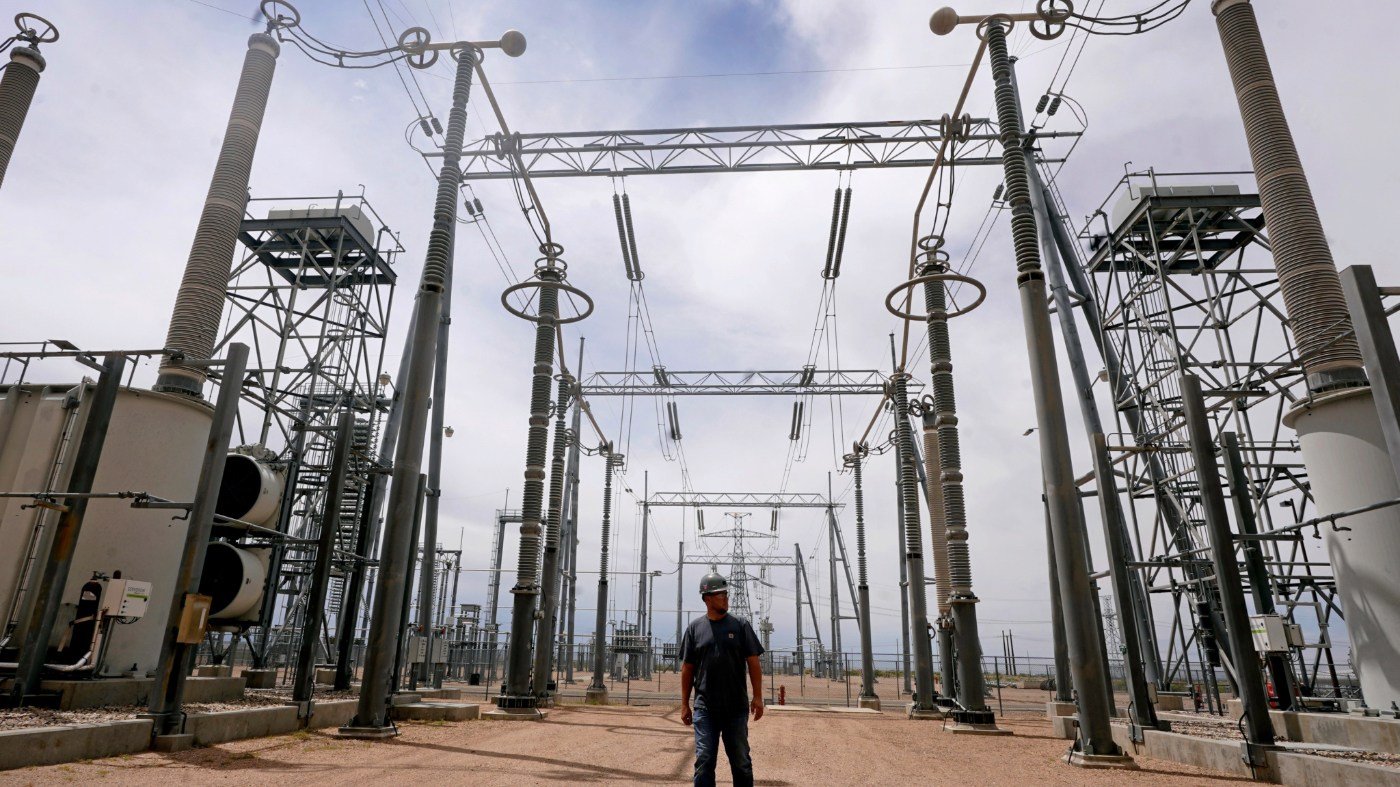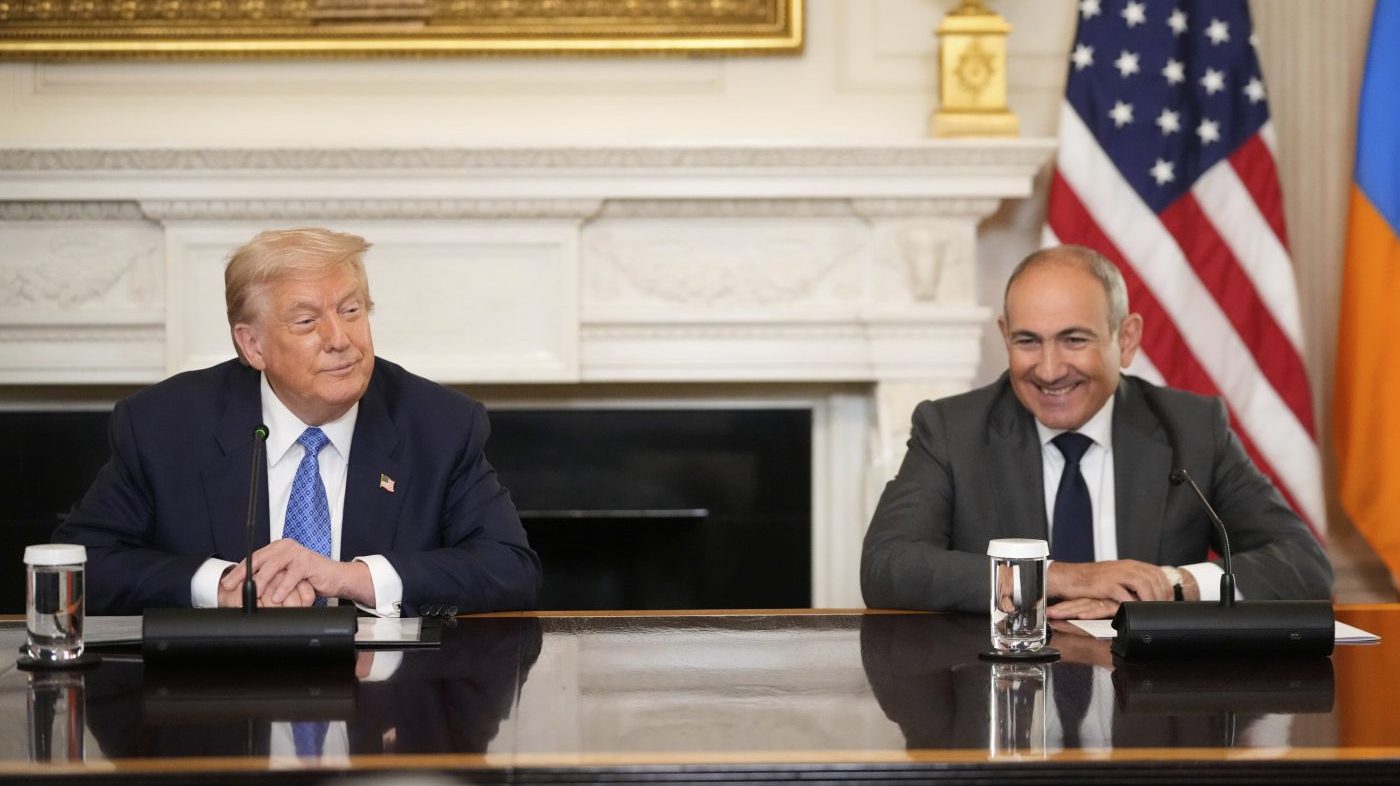
President Donald Trump this week signaled a new push to open Central Asia to American energy companies, announcing that an agreement with Armenia is in the works. In a Wednesday evening post on Truth Social, Trump wrote that the United States and Armenia would soon break ground on what he called the “Trump Route for International Peace and Prosperity.” He claimed the project would transform the South Caucasus and help “our wonderful American Energy Companies gain access from Central Asia all the way to the United States.”
The president did not name which companies would benefit or specify the type of energy involved, but his administration has consistently championed fossil fuel development. Trump also praised Armenian Prime Minister Nikol Pashinyan, offering his “COMPLETE and TOTAL Endorsement for Re-Election.” He credited Secretary of State Marco Rubio with advancing bilateral deals.
However, Armenia itself holds no proven oil or gas reserves, according to the International Energy Agency, which describes the country’s hard coal deposits as “modest.” Neighboring Azerbaijan and Georgia do possess oil and gas reserves, suggesting that any energy corridor would likely rely on transit or regional partnerships rather than domestic Armenian production.
This initiative fits a broader pattern of Trump foreign policy focused on securing access to foreign resources. In Venezuela, Trump has repeatedly emphasized his interest in tapping that country’s vast oil reserves. In Ukraine, he has pushed for access to critical minerals. The administration’s energy diplomacy has often been paired with geopolitical maneuvers, such as the recent U.S. and Iran exchange of strikes as Trump downplays deal pressure, and his Iran strategy appears to be unraveling amid stalled talks and a looming nuclear threat.
Trump’s post did not provide a timeline or specific investment figures, leaving many questions unanswered. The administration has not detailed how the proposed route would be financed or what infrastructure would be built. Critics argue that the announcement is heavy on rhetoric and light on substance, given Armenia’s energy profile.
The move also comes as Trump faces domestic political headwinds, including a new House Democratic anti-corruption caucus targeting his ethics record. Meanwhile, his administration continues to pursue aggressive energy policies abroad, even as environmental groups raise concerns about climate impacts.
For Armenia, the deal could represent a strategic shift, potentially deepening ties with Washington while reducing dependence on Russia and Iran. But energy experts note that any meaningful access to Central Asian resources would require cooperation with countries like Kazakhstan, Turkmenistan, and Uzbekistan, which have significant oil and gas reserves but complex geopolitical alignments.