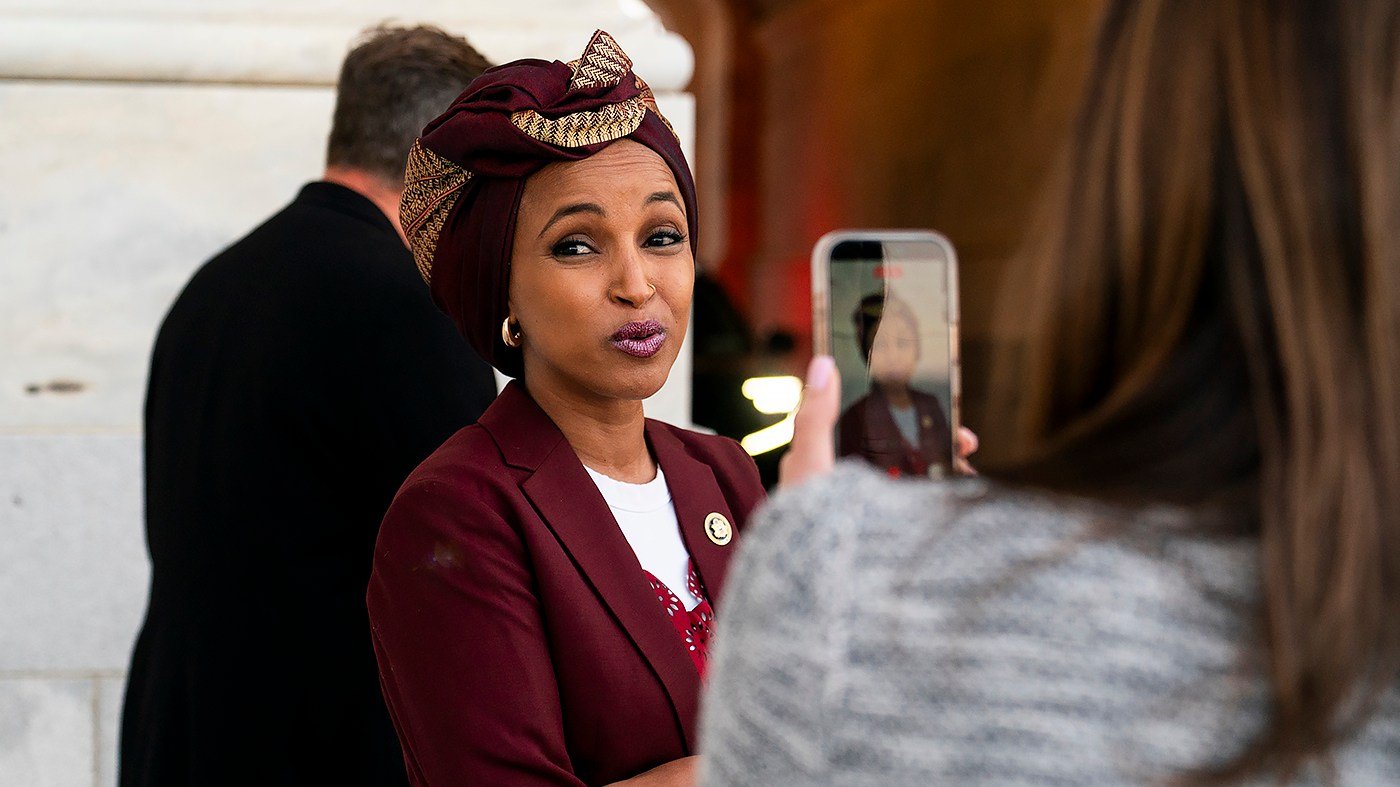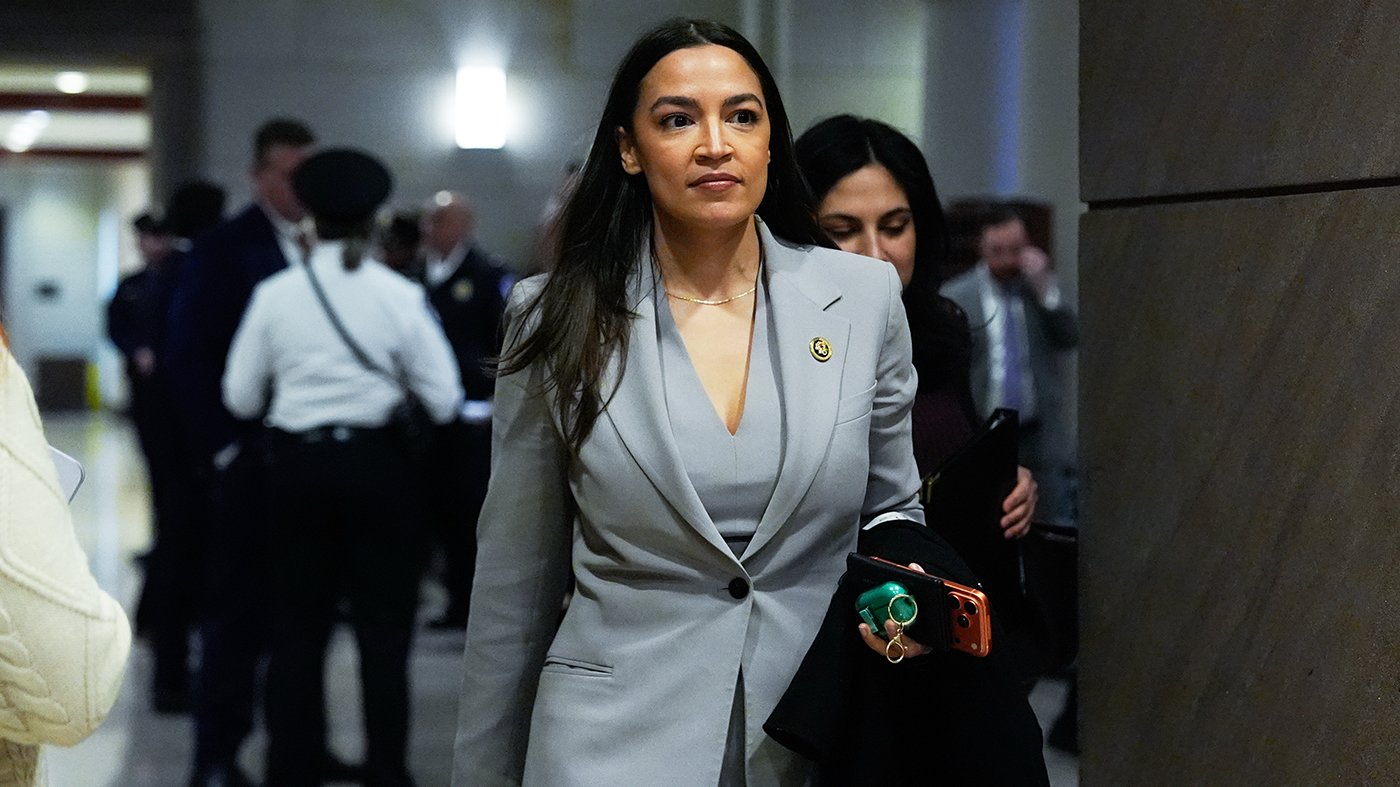
A small group of House Democrats has officially launched the End Corruption Caucus, a legislative effort aimed at curbing what they describe as rampant political wrongdoing in Washington. The caucus, spearheaded by Representatives Jason Crow of Colorado, Alexandria Ocasio-Cortez of New York, and Mike Levin of California, is positioning itself as a broad push to rein in self-dealing among lawmakers and reduce the influence of special interests over policy.
While the group's stated mission is to combat corruption across the board, its immediate target is President Donald Trump, who has faced mounting criticism for using the powers of his office to benefit his family and political allies. The most recent flashpoint is the Justice Department's creation of a $1.776 billion fund designed to compensate individuals who claim they were victims of so-called “weaponized” prosecutions, a move Democrats see as a direct reward for Trump loyalists. For more on the controversy surrounding that fund, see our earlier coverage of the DOJ's anti-weaponization initiative.

In a statement announcing the caucus, Levin argued that the current level of corruption is unprecedented. “At no other point in American history have we seen corruption so rampant in our politics,” he said. “The American people are the ones paying the price while the well-connected cash in. We must confront this corruption head-on, hold the powerful accountable, and ensure our government works for the people again.”
The caucus has introduced a resolution calling on Congress to denounce government corruption in sweeping terms. The measure targets a range of financial misconduct, including insider trading among lawmakers, an issue that has historically drawn bipartisan support. However, many provisions are clearly aimed at Trump, including language that condemns presidential self-dealing in the cryptocurrency industry and the use of pardons to reward political supporters and wealthy donors. These specifics all but guarantee the resolution will stall in a House controlled by Trump's Republican allies, but Democrats hope the effort will shine a spotlight on controversies swirling around the president as control of Congress hangs in the balance this election year.
Beyond the resolution, the caucus is pushing a slate of reforms designed to restore public trust in government, which is near historic lows. Key proposals include limiting the “revolving door” between Capitol Hill and K Street lobbying firms, banning lawmakers from owning or trading individual stocks, and tightening campaign finance rules to curb the flow of anonymous “dark money” contributions from wealthy donors. Ocasio-Cortez emphasized the impact of big money on public confidence, stating, “The influence of big money in politics is a major reason why everyday Americans struggle to trust our institutions and our work in Congress.”
Crow framed the fight against corruption as central to broader economic concerns. “Corruption is poisoning our politics. From the disastrous Citizens United decision, to the President using his office to enrich himself and his family, our democracy is buckling under the influence of billionaire donors and special interests,” he said. “We must take on corruption to lower prices, restore trust, and help working families.”
The caucus's formation comes amid a broader pattern of Trump using executive power for personal gain, including controversial pardons and business entanglements. For instance, the president's recent push to host a July 4 celebration at the White House faced backlash when multiple performers withdrew, as reported in our coverage of that event. Meanwhile, the political landscape remains volatile, with Democrats eyeing potential gains in states like Texas, where a competitive Senate race could reshape the balance of power.
For now, the End Corruption Caucus is a symbolic but pointed effort to hold Trump accountable and push for systemic change, even as legislative hurdles remain steep.