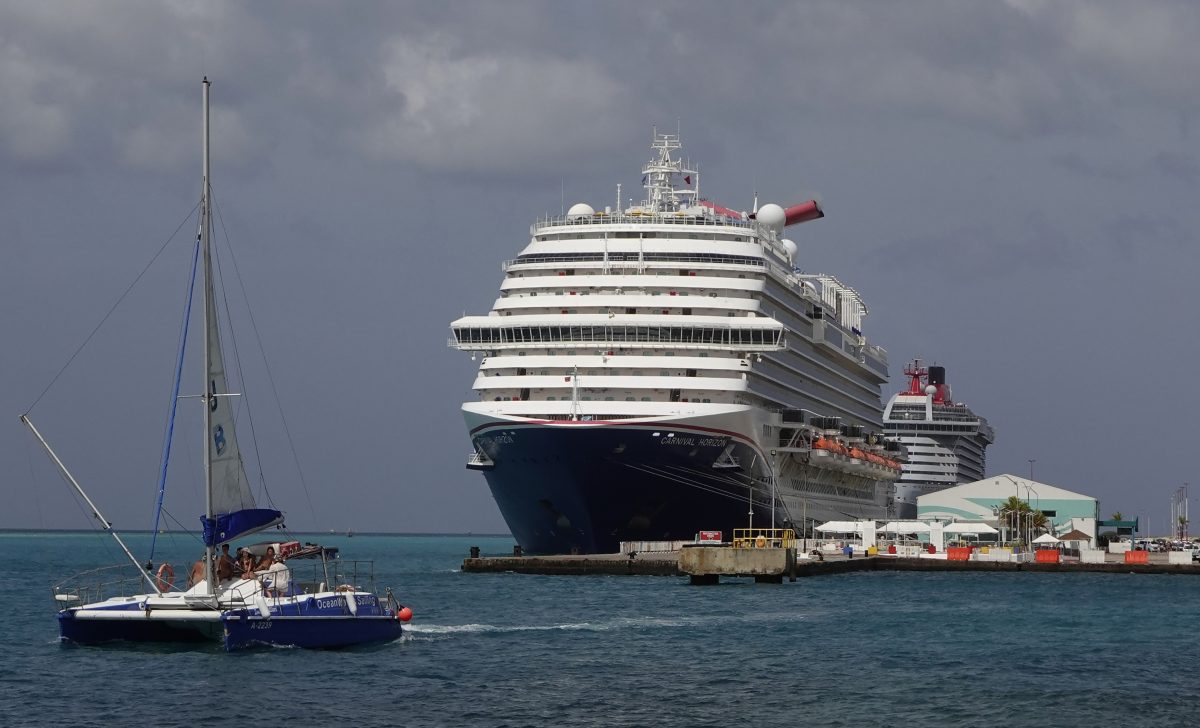
Carnival Corporation & plc has disclosed a data breach that compromised the personal information of nearly 6 million cruise travelers, making it one of the largest security incidents in the travel industry this year. The breach, which occurred on April 14, 2026, involved an unauthorized actor gaining access to a limited portion of the company's IT systems by deceiving an employee through a social engineering attack.
In a filing with the Office of the Maine Attorney General, Carnival reported that 5,995,277 individuals were affected. The company did not specify exactly what data was accessed, but such breaches typically expose names, addresses, passport numbers, and payment card details, raising concerns about identity theft and fraud among passengers.

Social engineering attacks, where cybercriminals manipulate employees into revealing credentials or granting access, have become increasingly common in the travel and hospitality sectors. The incident highlights vulnerabilities in corporate security protocols, especially as companies rely on remote work and cloud-based systems. For context, a separate breach of election systems in Colorado saw a former official sentenced after a similar lapse in cybersecurity, as reported in Polis commutes sentence of Colorado election official who breached voting machines.
Carnival advised affected passengers to monitor their accounts for suspicious activity and take steps to safeguard their personal information. The company is offering complimentary credit monitoring services to those impacted, though critics argue that such measures are reactive rather than preventive. The breach comes amid heightened scrutiny of corporate data practices, with regulators increasingly demanding stricter safeguards.
The cruise line, which operates brands including Carnival Cruise Line, Princess Cruises, and Holland America Line, has not yet disclosed the total cost of the incident. However, legal experts anticipate potential class-action lawsuits from affected travelers, especially if sensitive data like passport numbers were stolen. The breach also raises questions about the adequacy of Carnival's cybersecurity investments, particularly given the industry's reliance on customer data for bookings and onboard services.
This incident is not the first major data breach in the travel sector. In recent years, airlines and hotel chains have faced similar attacks, prompting calls for federal cybersecurity standards. The TSA, for instance, quietly adjusted rules on flying with marijuana, as covered in TSA quietly eases rules on flying with marijuana; what travelers need to know, but such moves do little to address systemic data security gaps.
For Carnival, the breach could further damage its reputation, which has already been battered by past incidents including the 2020 COVID-19 outbreaks on its ships. The company's stock fell 2% in after-hours trading following the disclosure, reflecting investor unease. Meanwhile, cybersecurity experts warn that social engineering attacks remain one of the hardest threats to defend against, as they target human error rather than technical vulnerabilities.
Affected travelers are urged to remain vigilant. The breach serves as a stark reminder that even major corporations are not immune to sophisticated cyber threats. As the summer cruise season approaches, passengers should consider freezing their credit and enabling two-factor authentication on financial accounts. For those planning trips, the US recently tightened airport screenings for travelers from Ebola-hit African nations, as detailed in US tightens airport screenings for travelers from Ebola-hit African nations, but data security remains a separate, persistent challenge.