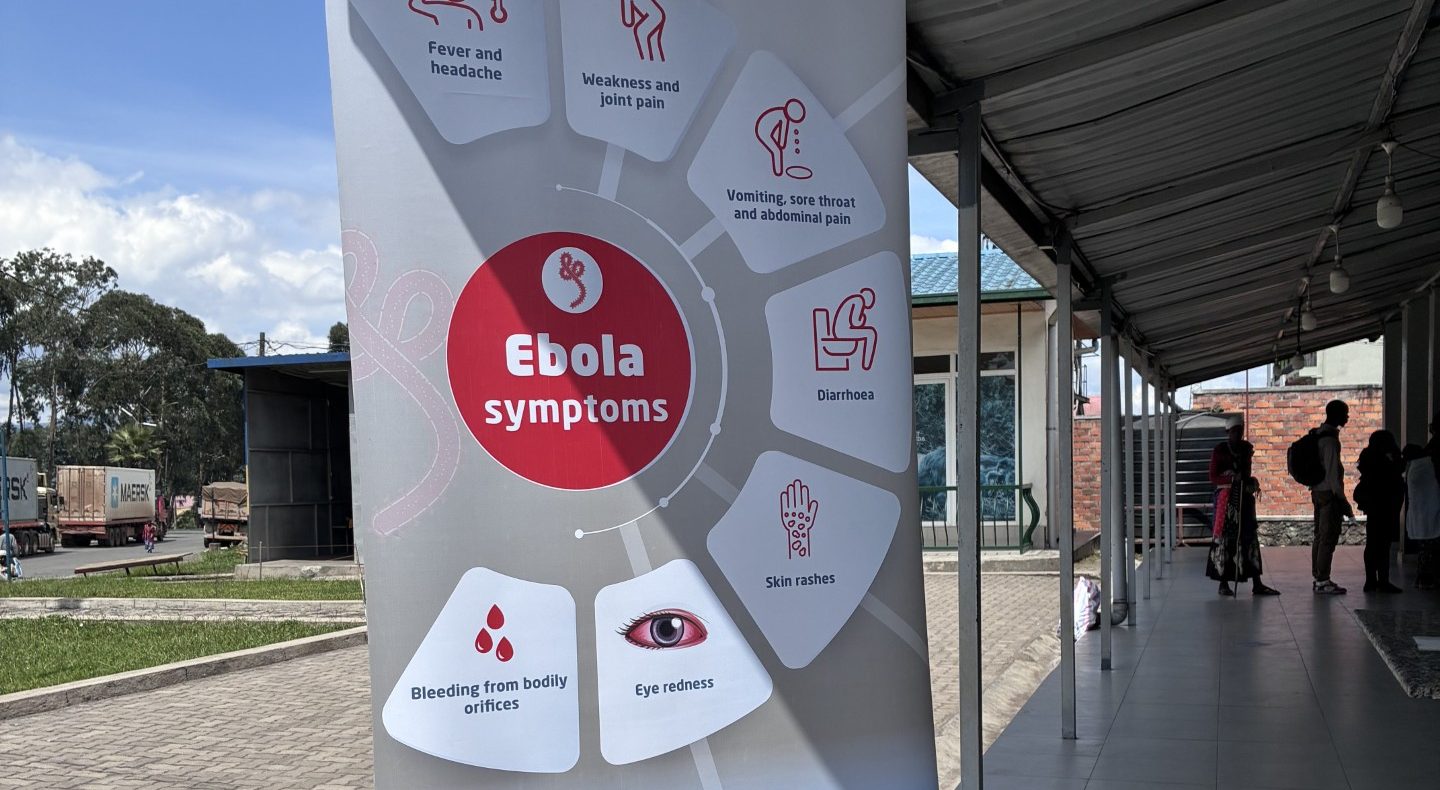
The United States has ramped up screening measures for travelers arriving from three African nations grappling with an Ebola outbreak. Under new protocols, Americans who have spent time in the Congo, South Sudan, or Uganda within the past three weeks must reenter the country through one of three designated airports: Washington Dulles International, Hartsfield-Jackson Atlanta International, or George Bush Intercontinental in Houston.
The enhanced screening applies only to U.S. citizens and green card holders. The Centers for Disease Control and Prevention (CDC) has imposed a temporary ban on foreign nationals who have been in the affected countries during the same 21-day period, blocking their entry into the United States entirely.

Upon arrival, passengers will be escorted to a dedicated screening area where they must complete a brief questionnaire detailing their travel history, any symptoms they may have, and contact information. CDC staff will then take their temperature and assess them for visible signs of illness. Those without symptoms will be allowed to proceed to their final destinations but will be urged to self-monitor for potential symptoms.
Travelers exhibiting symptoms will undergo further evaluation by a CDC public health officer. The agency says it has coordinated with state and local health authorities to ensure that anyone reporting symptoms can access appropriate medical care.
This outbreak is caused by the Bundibugyo virus, a rare strain of Ebola for which no approved vaccine or treatment currently exists. The World Health Organization (WHO) has declared it a global public health emergency. According to WHO data, there have been 128 confirmed cases, 18 deaths from confirmed cases, and 1,077 suspected cases. The vast majority are concentrated in the Congo, with only seven confirmed cases and one death reported in Uganda.
The global response has been severely hampered by ongoing conflict in the eastern Congo. WHO Director General Tedros Ghebreyesus warned this week that the region “now faces a catastrophic collision of disease and conflict.” In a statement shared on social media, he noted that “frontline workers are risking everything, while attacks on health facilities make tracking cases and their contacts nearly impossible.” He added, “We cannot build trust or isolate the sick while bombs are falling,” and urged all warring parties to agree to an immediate ceasefire to contain the outbreak.
The addition of Houston’s airport to the screening list underscores the escalating concern. Officials have also pointed to the potential for the outbreak to become the deadliest on record if funding gaps persist. Meanwhile, neighboring Uganda has closed its border with Congo in an attempt to stem the spread, a move that has dealt a blow to Uganda’s tourism sector, which was already reeling from pandemic-era losses.
As the situation evolves, U.S. health authorities are bracing for more cases among returning travelers, though the risk to the general American public remains low. The CDC continues to monitor the outbreak closely and has urged all travelers to avoid nonessential travel to the affected regions.