Democratic senators are mounting a fresh effort to impose restrictions on the Pentagon's use of artificial intelligence, aiming to attach new guardrails to the annual defense policy bill as the House Armed Services Committee prepares to debate the legislation.
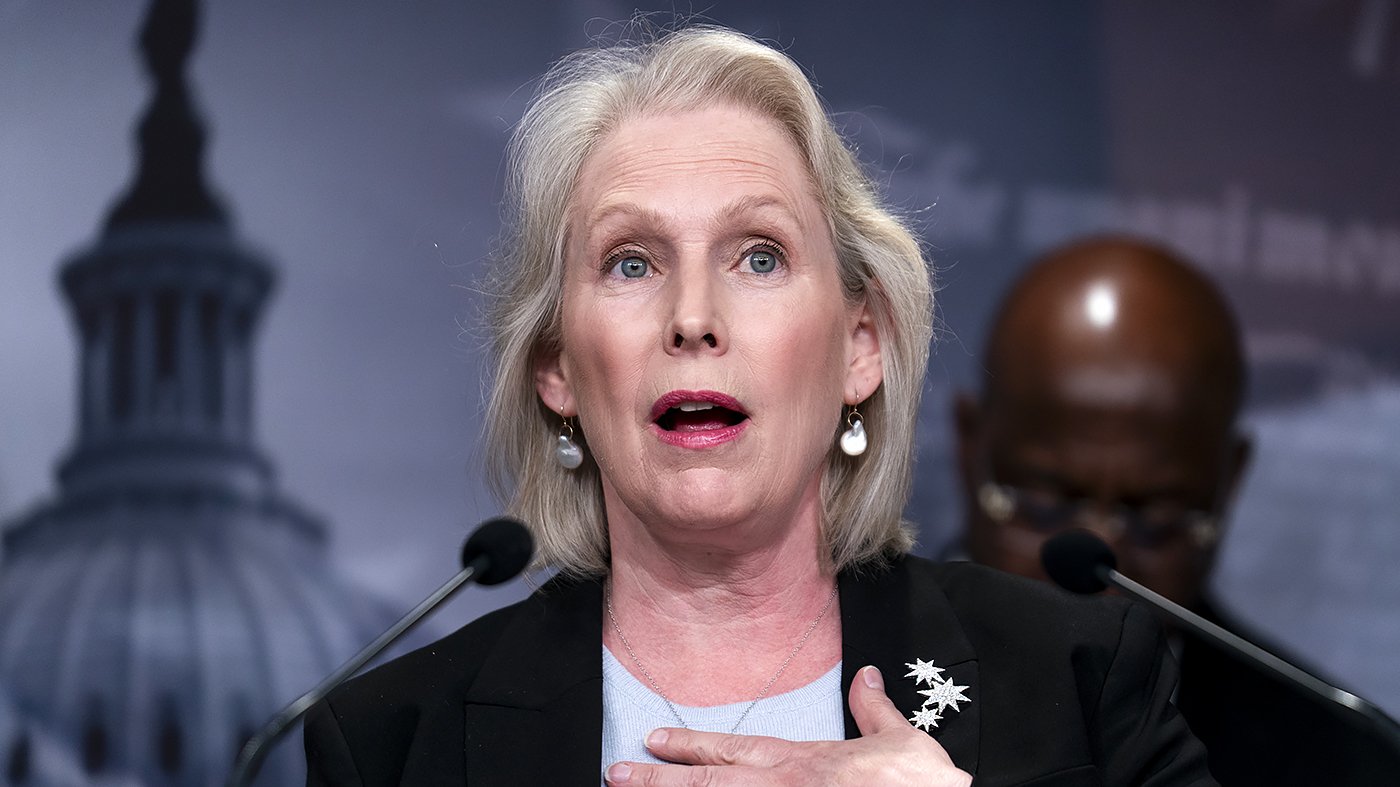
Sen. Kirsten Gillibrand (D-N.Y.) introduced legislation Tuesday that would prohibit AI from being used to launch nuclear weapons, conduct domestic surveillance, or develop and deploy autonomous weapons. She plans to offer key provisions of her measure as an amendment to the Senate version of the National Defense Authorization Act (NDAA), with markup expected next week.
Her bill, titled the Secure and Accountable Military AI Act, also mandates human involvement in decisions involving the use of force, detention, or what it defines as “high-consequence actions.” Those actions—including nuclear command and control, lethal targeting, domestic surveillance, and cyber operations—would require approval from a senior-level official.
“The most critical decisions affecting our national security and the lives of our service members must always be made by human beings, not unaccountable machines,” Gillibrand said in a statement. She warned that the Pentagon is moving toward deploying powerful AI without commonsense safeguards, risking “catastrophic consequences.”
Sen. Elissa Slotkin (D-Mich.) is also expected to offer her own AI Guardrails Act as an amendment to the NDAA. Her bill would bar the military from using autonomous weapons to kill without human oversight, deploying AI to launch nuclear weapons, or using AI to spy on Americans. The push comes amid a contentious legal dispute between the Pentagon and AI firm Anthropic over contract terms. Anthropic sought limits on mass domestic surveillance and autonomous lethal weapons, while the Defense Department pushed for broader “all lawful uses” language. The Pentagon later labeled Anthropic a supply chain risk, a designation the company is challenging in court.
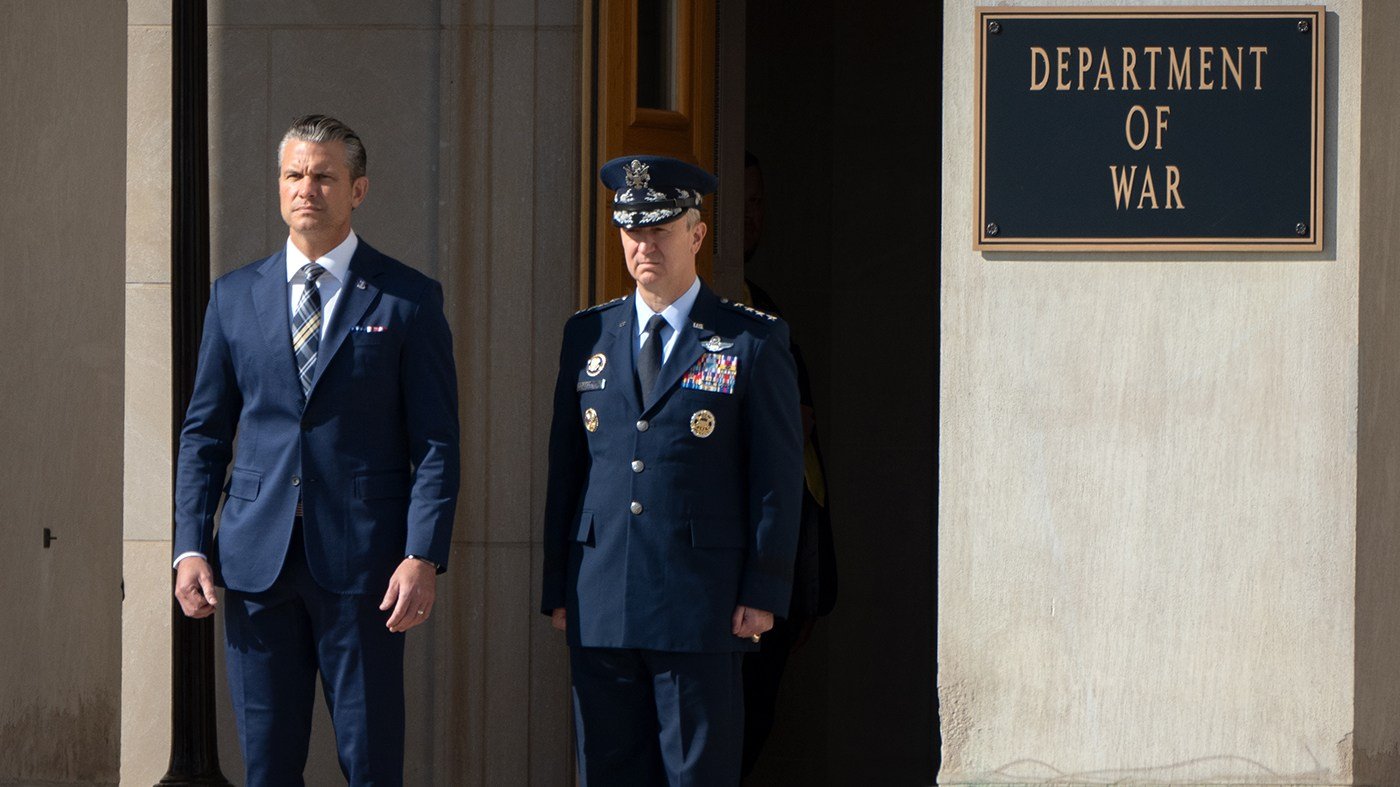
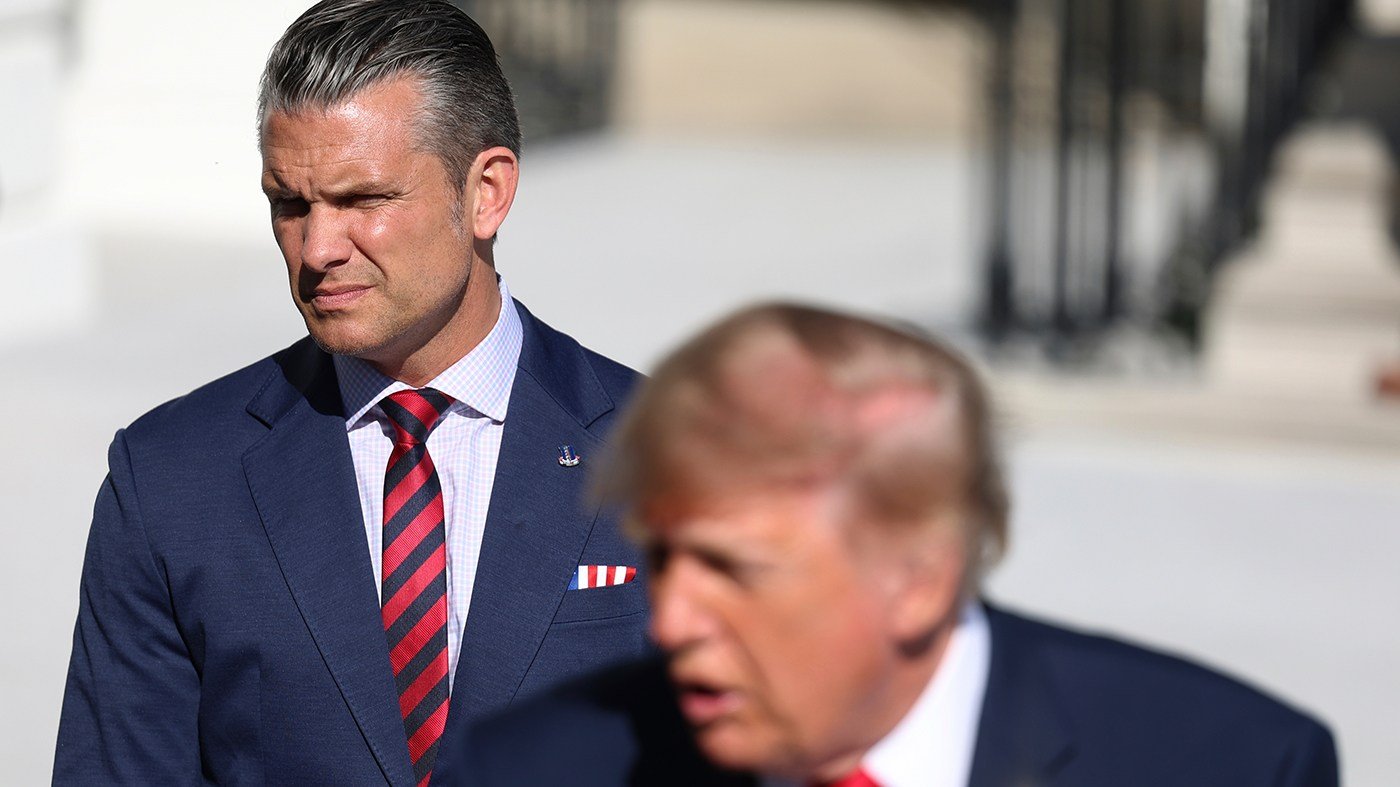
President Trump has advocated for widespread AI adoption across the federal government. He signed an executive order Tuesday directing agencies to bolster defenses against advanced AI and to develop a voluntary framework for early access to AI models. Defense Secretary Pete Hegseth has pressed for integrating AI into classified military networks, arguing it is essential for national security and battlefield superiority. In early May, the Pentagon announced that eight major AI companies—including OpenAI, Google, Nvidia, Reflection AI, and Microsoft—agreed to deploy their systems in classified networks.
Skepticism about military AI is not limited to Democrats. Vice President Vance, speaking at the U.S. Air Force Academy last week, voiced concerns about how AI could change warfare. “If the warfare of the future is to live up to the moral values of our ancestors, decisions over life and death must be made by humans and not machines,” Vance said.
The legislative push also highlights broader debates over defense spending and accountability. As Congress works to fix budget dysfunction to secure a $1.5 trillion defense plan, these AI guardrails could become a flashpoint in negotiations. Meanwhile, GOP splits over Trump's Iran deal and other national security issues continue to complicate the legislative landscape.