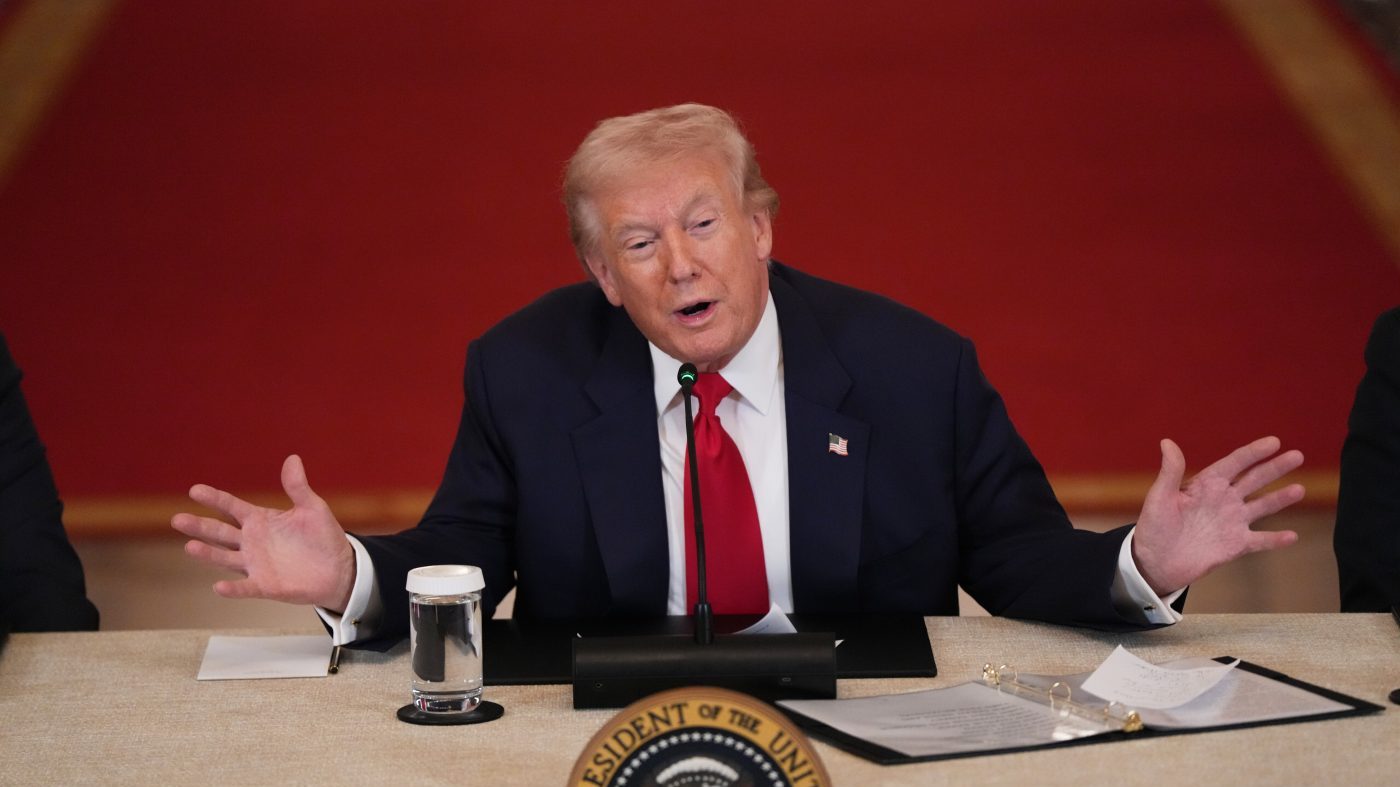
President Donald Trump will welcome more than one hundred student athletes from various universities to the White House on Tuesday afternoon for a ceremony marking NCAA Collegiate National Champions Day. The event, scheduled for 4 p.m. Eastern Daylight Time, brings together champions from multiple sports to be recognized by the administration.
Policy Context for the Celebration
The presidential remarks to the assembled champions come directly on the heels of a significant policy move affecting college sports. Earlier, Trump signed an executive order designed to impose stricter regulations on athlete eligibility and the transfer process within the NCAA. This action represents the administration's latest foray into governing collegiate athletics, an arena increasingly defined by debates over compensation and player mobility.
Administration officials frame the order as an attempt to bring more structure and accountability to a system they argue has become too permissive. The move aligns with broader conservative critiques of the NCAA's governance and the evolving "pay-to-play" dynamics in amateur sports. By pairing the celebratory event with this policy announcement, the White House signals its intent to be an active player in shaping the future of college athletics.
A Broader Political Landscape
This focus on domestic policy and ceremony occurs against a backdrop of intense international and political maneuvering by the Trump administration. In foreign affairs, the President recently extended a ceasefire with Iran indefinitely while maintaining a military blockade, a complex stance that continues to draw scrutiny. Simultaneously, he has confirmed the U.S. is considering an emergency currency swap for the UAE, a financial tool linked to the ongoing tensions in the Persian Gulf.
On the defense front, the administration's priorities are reflected in a historic budget request seeking a 42% increase in funding, which includes allocations for missile defense and drone warfare expansion. These substantial financial asks occur alongside internal political battles, such as a Senate GOP effort to nullify the 2019 impeachment, which the President has publicly endorsed.
Domestic and Institutional Friction
The administration's actions continue to generate friction with other branches of government and institutions. The Federal Reserve's independence has become a flashpoint, with a former governor publicly defending its autonomy amid Senate clashes over presidential influence. Furthermore, the President's use of executive power is being tested, as reports indicate he is considering blanket pardons for former officials, a move legal scholars say could challenge constitutional norms.
Criticism also emanates from religious and political figures. Notably, Pope Leo XIV has confronted the President over issues of Christian nationalism and immigration enforcement. On economic policy, the administration has taken a direct stance against industry consolidation, with Trump opposing a major airline merger and urging federal intervention to assist a smaller carrier.
The White House's energy policy in the Middle East remains a source of controversy, with Senator Ed Markey accusing the President of creating an 'energy apocalypse' through actions in the Strait of Hormuz. This sustained political conflict has even affected media allegiances, as commentator Tucker Carlson has publicly apologized for his past support, specifically citing the administration's Iran policy as a breaking point.
Against this complex political canvas, the reception for NCAA champions serves as a moment of ceremonial unity and soft-power engagement. However, by explicitly connecting it to a new executive order, the administration ensures the event carries a substantive policy weight, framing the celebration as part of a larger agenda to reshape American institutions, from collegiate sports to the federal judiciary and international alliances.