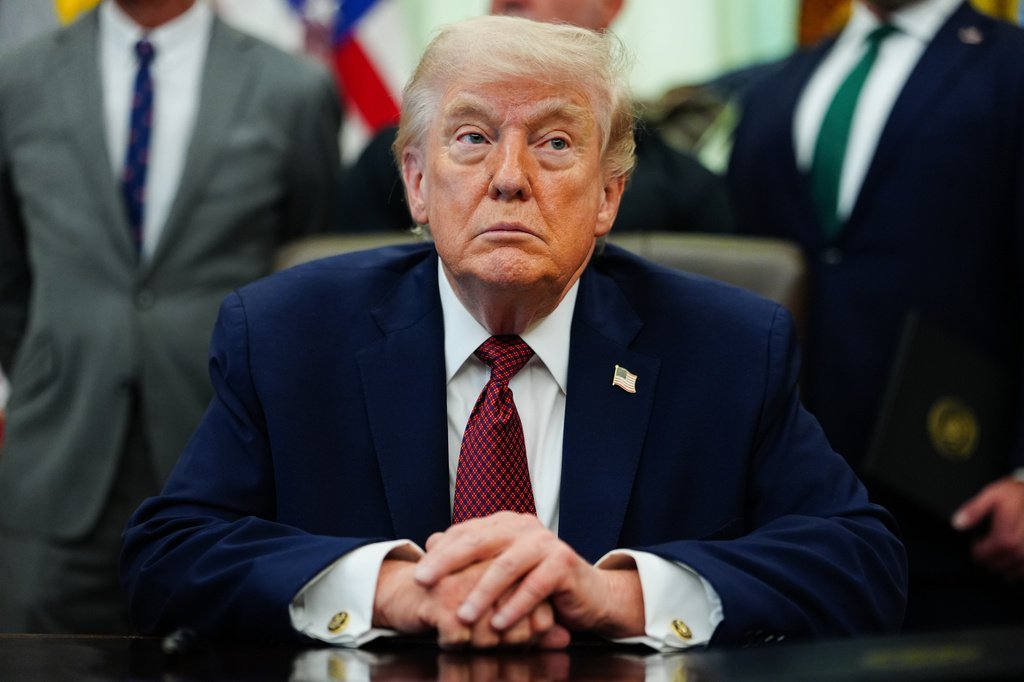
President Donald Trump has privately indicated plans to grant preemptive presidential pardons to potentially hundreds of current and former administration officials, according to sources familiar with the discussions. The sweeping clemency would extend to staff who have not been charged with crimes, testing the outer boundaries of executive pardon power.
Constitutional Questions and Legal Precedent
The U.S. Constitution grants presidents broad pardon authority for federal offenses, with historical interpretation suggesting few limitations. However, legal scholars note that no president has attempted such a comprehensive, prophylactic use of clemency for an entire administration. While the Supreme Court has generally upheld expansive pardon powers, some experts suggest the Court might intervene if faced with what they characterize as a gross abuse of the constitutional provision.
This consideration follows President Joe Biden's own extensive use of clemency during his term, including preemptive pardons for family members and political allies. Biden's actions, which included pardoning his son Hunter for past offenses, established a contemporary precedent for broad clemency applications that Trump's team appears poised to expand upon.
Political Context and Motivations
The reported pardon planning occurs against a backdrop of escalating political tensions and legal battles. Trump has repeatedly accused the Justice Department under Biden of being weaponized against him and his associates, a charge that has shaped his approach to executive power during his current term. The administration's focus on legal matters has been evident in other areas, including antitrust actions against major corporations ahead of elections.
Trump's concerns appear driven by anticipation of potential investigations under a future Democratic administration. His administration has already demonstrated a willingness to challenge norms, as seen in foreign policy confrontations with traditional allies and domestic institutions.
Potential Consequences and Ethical Concerns
Legal experts warn that blanket preemptive pardons could undermine accountability within the executive branch. If officials believe they possess immunity from prosecution, they might be more likely to execute questionable or potentially illegal orders. This concern extends beyond official duties to personal conduct, including financial dealings by administration figures and their families.
The situation has developed alongside other controversies involving Trump associates, including questions about financial arrangements and cryptocurrency ventures. Some observers suggest that a guarantee of clemency could encourage riskier behavior by those connected to the administration.
Broader Political Implications
Trump's clemency strategy reflects his administration's approach to executive power, which has included efforts to reshape federal institutions and challenge established norms. The pardon consideration comes as the President faces multiple political challenges, including declining public support during international crises.
If implemented, such sweeping pardons would establish a new precedent that future presidents might follow, potentially transforming the pardon power from a tool of mercy to one of political protection. This development raises fundamental questions about accountability in a constitutional system designed with checks against executive overreach.
The administration has not formally announced pardon plans, and Trump has been known to float ideas he ultimately doesn't implement. However, the serious discussion of such broad clemency reflects the unprecedented nature of current political divisions and the enduring impact of the legal battles that have defined both the Biden and Trump presidencies.