A Historic Presidential-Papal Confrontation
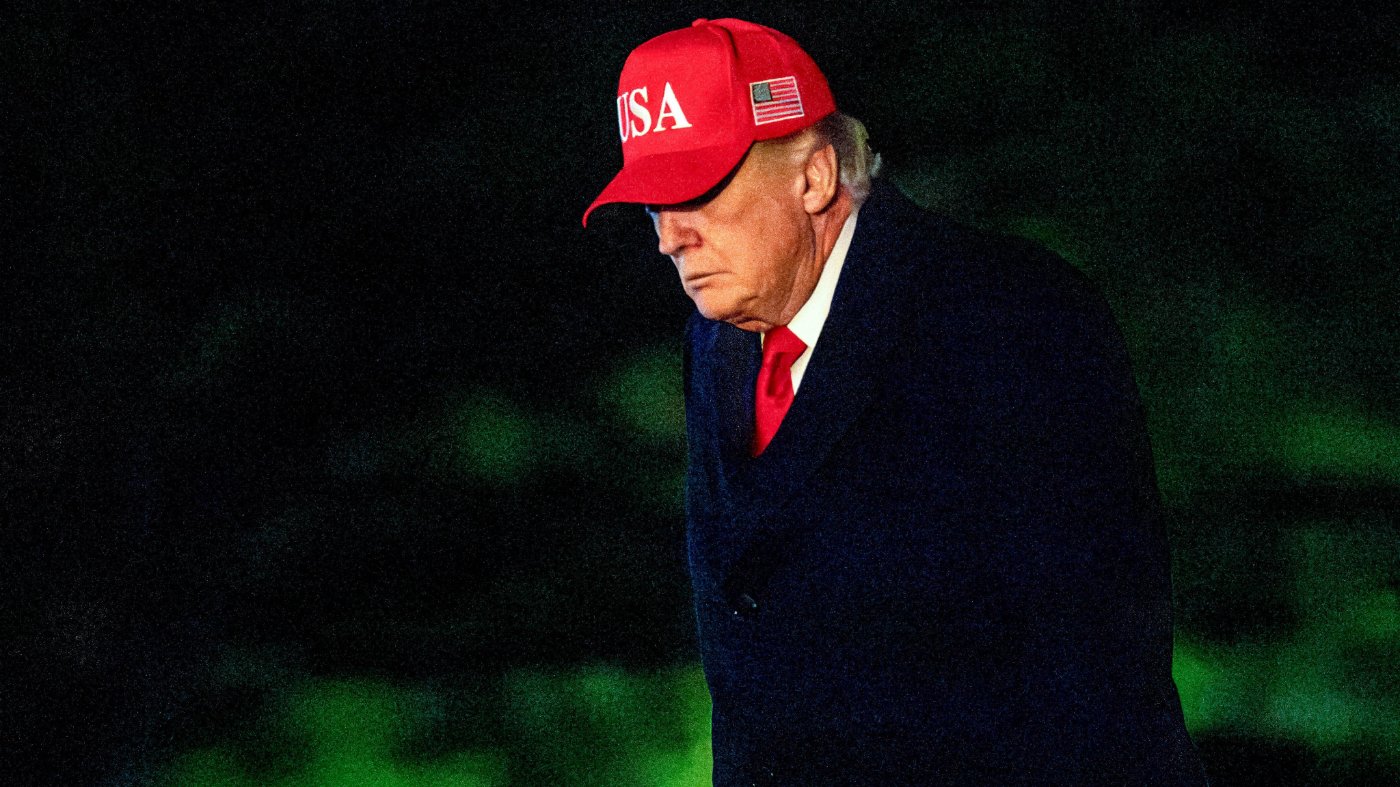
President Donald Trump has entered uncharted political territory by directly challenging Pope Leo XIV in a public dispute over foreign policy and moral authority. The conflict began when the pontiff issued a plea for peace regarding the Iran conflict, warning against the "delusion of omnipotence" among world leaders. Trump responded by accusing the pope of being "weak on crime" and detrimental to American foreign policy interests.
The Escalating Exchange
Trump intensified his criticism with a social media post claiming Iran had killed "at least 42,000 innocent, completely unarmed, protesters in the last two months." This came as his own administration faced scrutiny over immigration enforcement agencies being linked to several deaths, including those of protesters. Pope Leo countered with a declaration that he feared "neither the Trump administration nor speaking out loudly about the message in the Gospel."
The pontiff delivered a broader condemnation of global leadership, stating: "Enough of the idolatry of self and money! Enough of the display of power! Enough of war!" While not naming specific leaders, the target of his remarks was unmistakable. This represents a departure from historical precedent where popes have generally avoided direct confrontation with sitting U.S. presidents, most notably during World War II when Pius XII refrained from explicitly denouncing Adolf Hitler.
Fact-Checking the Conflict
Trump made several verifiably false statements during the exchange, claiming he was elected "in a landslide" and asserting that Pope Leo had said "Iran can have a nuclear weapon." Fact-checkers confirmed neither claim was accurate—Trump did not win a landslide victory, and the pope has consistently denounced nuclear weapons while calling for global disarmament. The pontiff's actual position involved condemning "a handful of tyrants" ravaging the world through conflict.
The president further complicated matters by sharing artificial intelligence-generated imagery on social media, including one depicting himself as Jesus Christ healing a sick man surrounded by patriotic symbols. This sparked bipartisan criticism, with former Republican congresswoman Marjorie Taylor Greene stating she was "praying against it" and Senator Bernie Sanders calling it "deranged" and "egomaniacal behavior." The incident follows last year's AI-generated image of Trump wearing papal robes posted to official White House accounts.
Political Calculations and Historical Precedent
American politicians have traditionally been cautious about criticizing the papacy due to the substantial Catholic voting bloc, which represents approximately one-quarter of the electorate. Historical examples illustrate this sensitivity: in 1884, Republican James G. Blaine likely lost the presidency after a supporter's anti-Catholic remark alienated Irish American voters in New York. When Al Smith became the first Catholic major party presidential nominee in 1928, he faced persistent accusations that he would take orders from the Vatican.
Even John F. Kennedy, during his 1960 campaign, felt compelled to reassure Protestant clergy in Houston about his commitment to absolute separation of church and state. Trump's willingness to directly challenge papal authority breaks with this longstanding political caution, potentially risking significant electoral consequences as midterm elections approach amid broader foreign policy tensions.
The confrontation occurs against a backdrop of declining presidential approval ratings linked to the Iran conflict and economic concerns. Some Republican senators have expressed worry that foreign policy disputes could overshadow their economic messaging. Meanwhile, the administration faces internal challenges on multiple fronts, including resistance to replacing Federal Reserve Chair Jerome Powell and the departure of Labor Secretary Chavez-DeRemer for the private sector.
In this extraordinary clash between spiritual and political authority, analysts suggest the pope has maintained the moral high ground while Trump has largely inflicted damage on his own standing. The president's combination of factual inaccuracies, controversial imagery, and direct confrontation with religious leadership represents a political risk with few historical parallels in American politics.