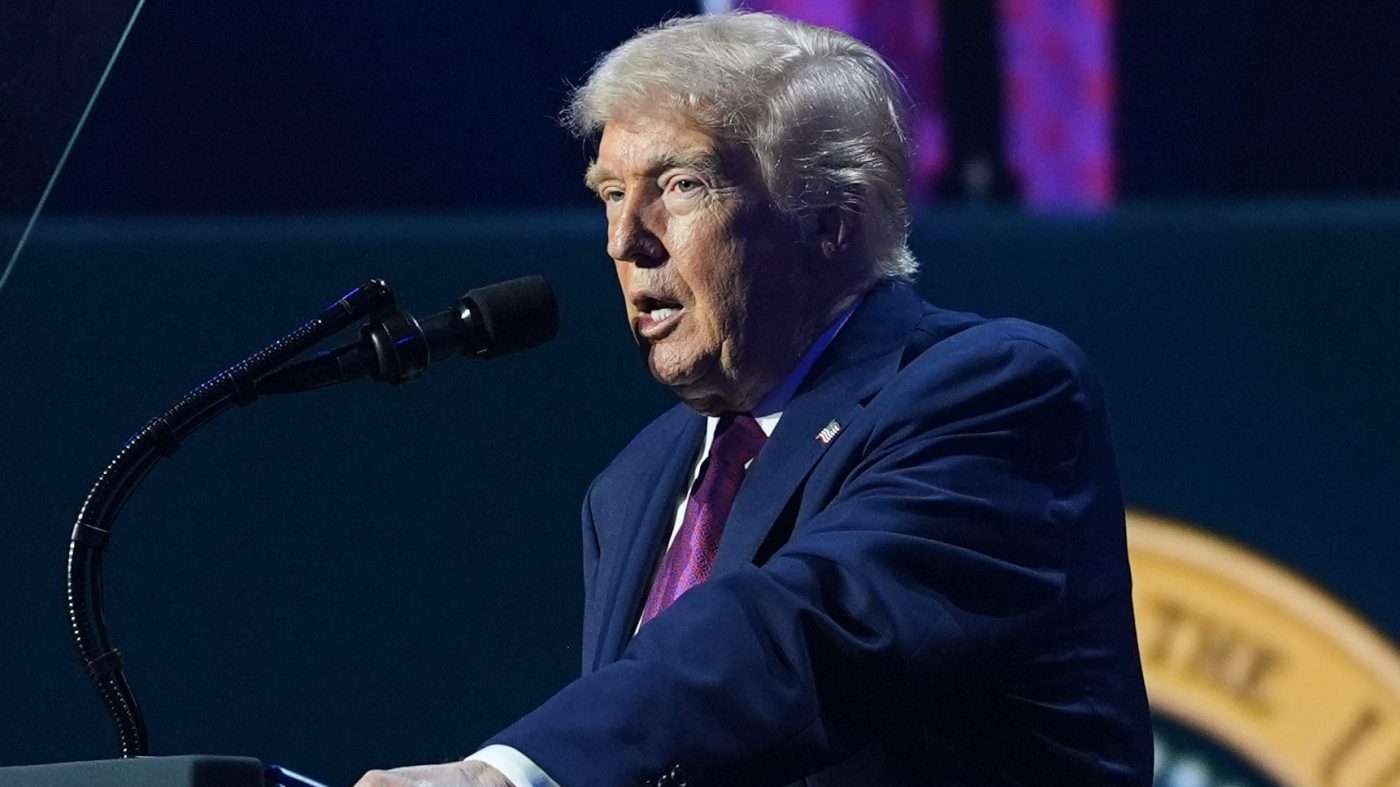
A new national survey reveals President Donald Trump's approval rating has reached its lowest point since his re-election, with foreign policy challenges and questions about his temperament contributing to declining public confidence. The Reuters/Ipsos poll, conducted April 15-20, shows just 36% of American adults approve of Trump's job performance, matching a late-March nadir and down from 40% earlier last month.
Disapproval of the president remains entrenched at 62%, the highest level recorded during his current term. This persistent negative assessment comes as the administration grapples with an ongoing military conflict with Iran and a public diplomatic dispute with Pope Leo XIV. The poll suggests these concurrent crises are taking a political toll, with support for Trump's military actions in Iran declining slightly from 36% to 35% compared to earlier this month.
Foreign Policy and Temperament Drive Negative Perceptions
The survey indicates Trump's rhetoric is a significant factor in his declining numbers. His sharp exchange with the pontiff and inflammatory threats toward Iran appear to have reinforced existing public doubts about his demeanor. A striking 71% of U.S. adults say the president is not even-tempered, while only 26% believe he is. This perception breaks sharply along partisan lines: 53% of Republicans consider him even-tempered versus 92% of Democrats who do not. Among independents, nearly three-quarters share the negative assessment.
Foreign policy developments continue to challenge the administration's standing. As the fragile ceasefire with Iran approaches its Wednesday expiration, uncertainty clouds the diplomatic path forward. Administration officials are scheduled for a second round of talks in Islamabad, but Iran's participation remains unclear as the deadline looms. The public appears skeptical of the administration's approach, with only 25% believing recent military strikes will make the United States safer.
Questions About Mental Fitness and Comparative Popularity
The poll also examined perceptions of the 79-year-old president's mental sharpness, finding that 51% of Americans believe it has declined during his time in office. Another 40% say it has remained the same, while just 6% believe it has improved. These assessments reveal another deep partisan divide: 85% of Democrats and 54% of independents see a decline, compared to only 14% of Republicans. Nearly two-thirds of GOP respondents believe his mental fitness is unchanged.
In a comparative measure, Pope Leo XIV holds significantly more favorable views among Americans than the president, with 60% expressing positive opinions of the pontiff. This contrast emerges as Trump has recently engaged in religious-themed political events that have drawn criticism from some Christian leaders.
Broader Political Context and Economic Pressures
The declining approval numbers arrive at a politically sensitive moment for the administration. The persistent conflict with Iran has contributed to economic anxiety and internal divisions over energy price forecasts, creating additional headwinds. Meanwhile, the president faces domestic challenges including resistance from within his own party to replacing Federal Reserve Chair Jerome Powell.
Other polling data reinforces the challenging environment for the White House. An NBC News survey found only 37% approval of Trump's handling of the presidency, with strong approval dropping from 26% to 20% over the past year. During the same period, strong disapproval increased from 42% to 50%. The Reuters/Ipsos poll surveyed 4,557 adults and carries a margin of error of 2 percentage points, indicating these findings reflect a consistent and measurable shift in public sentiment as midterm politics intensify.