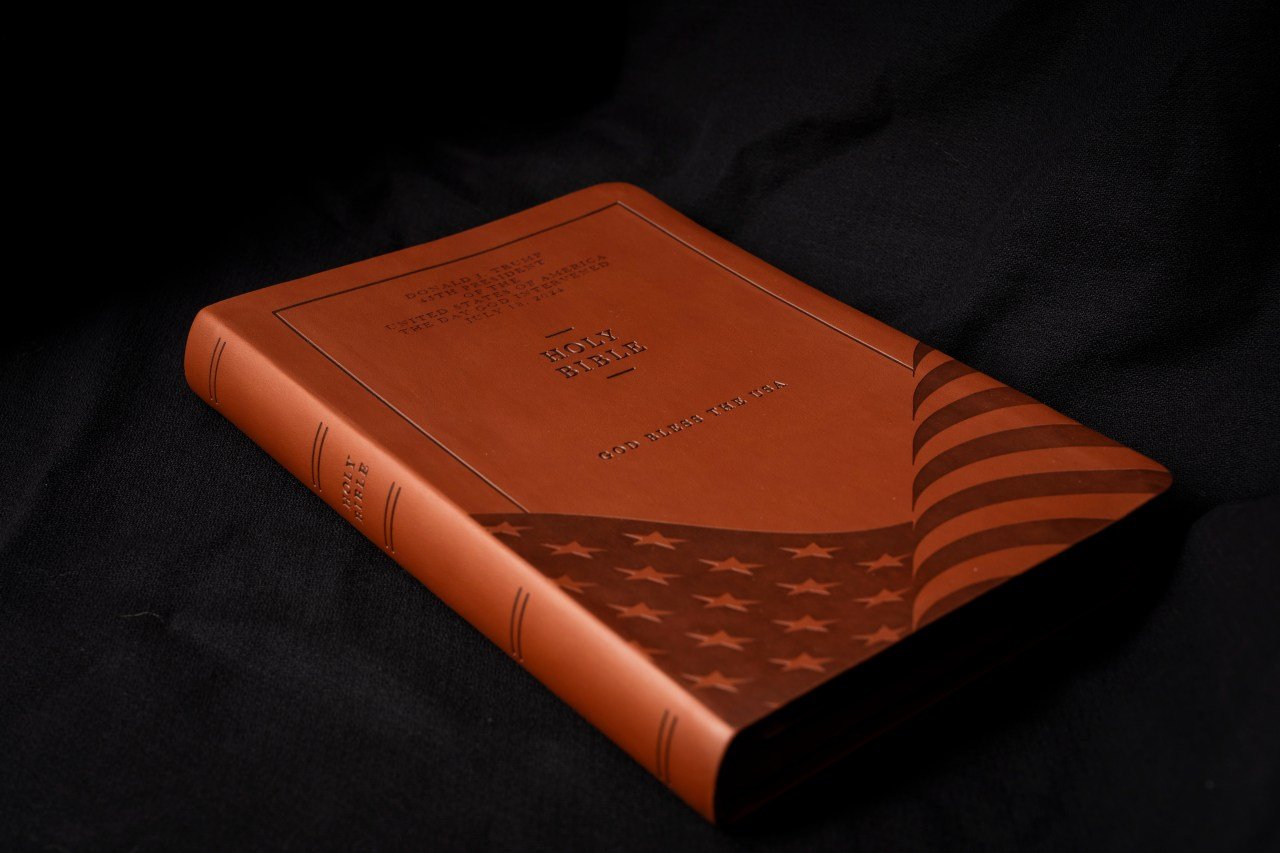
President Donald Trump is joining a roster of prominent Republican officials and evangelical supporters this week for a marathon public reading of the Bible, an event framed as a spiritual celebration ahead of the nation's 250th anniversary. The "America Reads the Bible" program, livestreamed from venues including Washington's Museum of the Bible, features participants reading passages aloud with the stated aim of returning to the country's spiritual foundations.
A Politicized Participant List
The event's lineup is dominated by Trump's political and religious allies, drawing immediate criticism that it represents a partisan effort rather than a unifying national project. Participants include Defense Secretary Pete Hegseth, Secretary of State Marco Rubio, House Speaker Mike Johnson, and evangelical leaders like Franklin Graham and Paula White-Cain, who heads Trump's White House Faith Office. Organizers from Christians Engaged, the nonprofit behind the event, say they invited Democratic lawmakers and progressive faith leaders, but none accepted.
"If they wanted this to be a unifying American project, there would have been a whole lot more attention to getting political diversity and ideological diversity," said Brian Kaylor, author of a book on Christian nationalism and editor of Word&Way. He described the event as "very much a right-wing MAGA, Christian nationalist effort."
Trump's Passage and Its Political History
Trump is scheduled to deliver a pre-recorded reading from the Oval Office on Tuesday evening. His selected passage is 2 Chronicles 7:14, a verse in which God promises to "heal their land" if people humble themselves and turn from wicked ways. This scripture has been a staple at conservative Christian political gatherings for decades, frequently invoked to promote the idea that America is—and should remain—a Christian nation. It was featured prominently at the 2024 Republican National Convention.
In a statement, Trump said the Bible is "indelibly woven into our national identity and way of life," citing historical figures like Puritan leader John Winthrop. Critics, including many historians, argue this portrays a disputed, Christian nationalist view of America's founding that ignores the nation's pluralistic origins.
Broader Context of Faith and Politics
The Bible marathon occurs amid ongoing tensions in Trump's relationship with religious constituencies. It follows closely on his recent clash with Pope Leo XIV over the Iran conflict, which has contributed to foreign policy anxieties. Just last week, Trump faced rare criticism from some evangelical supporters for circulating a social media meme depicting him in a messianic light, which he later removed while insisting the figure represented a doctor.
Historian Jemar Tisby criticized the event on social media, stating, "You cannot quote the Bible while justifying violence, war and exclusion." Meanwhile, the event's narrow denominational focus—reading the 66 books recognized by Protestants—has also drawn note, as it excludes portions of scripture recognized by Catholic, Orthodox, and Jewish traditions.
Linking Faith to Policy and Elections
The event underscores the continued centrality of white evangelical voters to Trump's political coalition. It also serves as a precursor to a larger "National Jubilee of Prayer, Praise, and Thanksgiving" scheduled for the National Mall on May 17. This political use of faith comes as the administration grapples with domestic economic pressures fueled by international conflict, including rising gas prices that threaten Republican prospects in the approaching midterm elections.
Bunni Pounds, founder of Christians Engaged, emphasized that reading scripture must lead to action. "Faith without works is dead," she said, noting the chosen Chronicles passage has been a theme at National Day of Prayer events for years. "We need the word first to bring faith into our life."
As the marathon continues through the week, it highlights the enduring and contentious intersection of religious symbolism and political power in Washington, framing the upcoming national anniversary through a lens that many see as deliberately divisive.