For a generation of Americans, the iconic "Beef. It's What's for Dinner" campaign, launched in 1992, defined the protein's cultural status. It arrived as nutritional fears over fat reached a peak, pressuring even giants like McDonald's to abandon beef tallow for frying. The campaign, featuring the legendary voice of Robert Mitchum, became a lasting symbol of beef's place at the American table.
From Decline to Stubborn Resilience
U.S. per capita beef consumption peaked in 1976 at over 90 pounds annually before declining sharply through the 1980s and 1990s, bottoming out near 60 pounds in the early 2000s. This drop coincided with a national shift toward leaner poultry and synthetic fat substitutes like olestra. However, that decline abruptly halted. Beef consumption has remained remarkably flat for the past quarter-century, even as plant-based alternatives and climate concerns have gained traction.

This persistence is attributed to beef's enduring status as a luxury protein and the ubiquity of the hamburger, with Americans consuming roughly 50 billion each year. "Steak is the tuxedo of meats," comedian Jim Gaffigan once noted, capturing its symbolic weight.
The Price of Steak and Political Steak
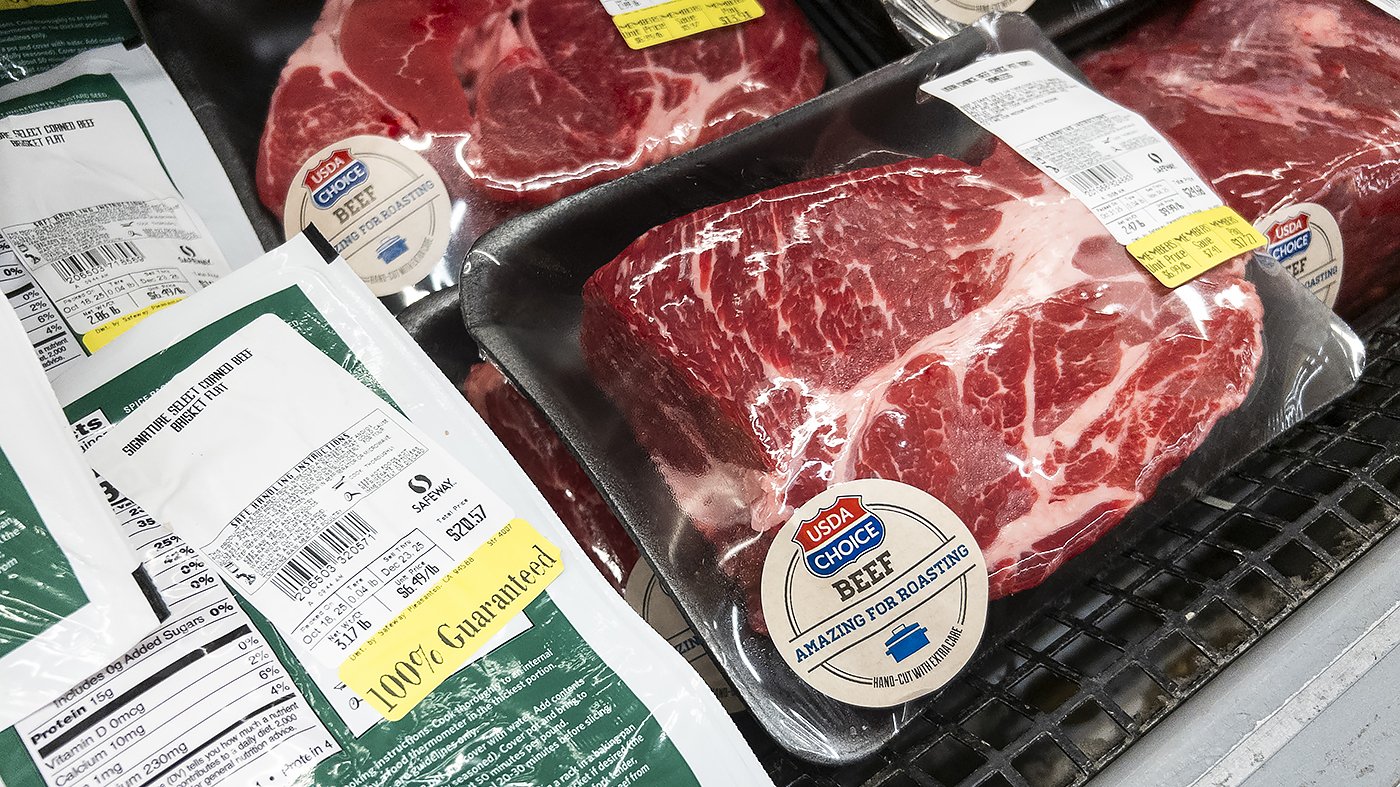
This cultural staple now carries a significantly heavier price tag. The average cost of a pound of ground beef has soared from $1.58 in 2000 to $6.70 today. Adjusted for inflation, the real increase is about 30 cents per pound, but the psychological impact is profound. In an era of squeezed budgets, forgoing beef feels like a tangible loss of affluence, particularly in red states like Texas, Nebraska, Oklahoma, and Missouri where consumption is highest.
Multiple factors drive the high costs: disease outbreaks that culled herds, severe droughts, rising feed expenses, import tariffs, and a tightened immigration policy that reduced the meat processing workforce. Recent disruptions to fertilizer markets through the Strait of Hormuz add further pressure, complicating the administration's economic messaging as some GOP Senators fear broader foreign conflicts could overshadow domestic issues ahead of the midterms.
Midterm Politics on the Menu
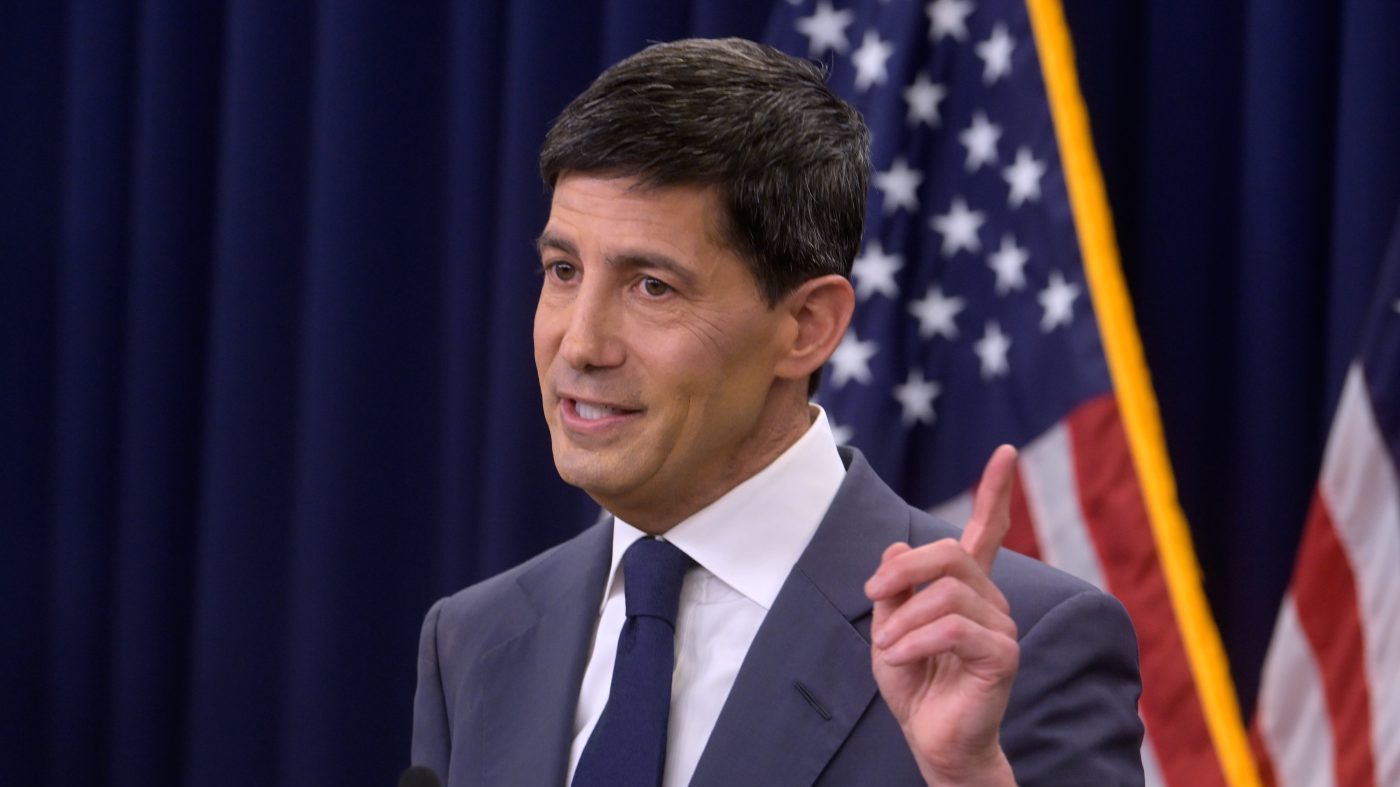
Facing persistent voter frustration over food costs, the Trump administration has shifted strategy. The Justice Department announced this week it is pursuing price-fixing allegations against America's major beef producers, including Tyson and Cargill. This move mirrors the Biden administration's 2024 election-year "strike force" on unfair pricing, marking a notable pivot for Republicans who have historically criticized such market interventions.
President Trump initially blamed "foreign meat packing cartels" when announcing the crackdown last fall. With prices still rising, the legal focus has expanded to domestic giants. The action underscores the political potency of kitchen-table issues in a midterm year where control of Congress is at stake. This focus on consumer costs comes as the White House balances other priorities, including a recent executive order on medical research signed as part of the broader midterm campaign push.
The probe represents a calculated political risk. It appeals directly to consumers feeling the pinch but departs from traditional GOP free-market orthodoxy. The outcome could influence not just grocery bills but also the political appetite of voters in key agricultural states this November.
For now, Americans continue their long-standing, if increasingly expensive, relationship with beef. But in Washington, the main course is politics, and the administration is betting that legal action against meatpackers will be more palatable to voters than simply waiting for market forces to lower prices.