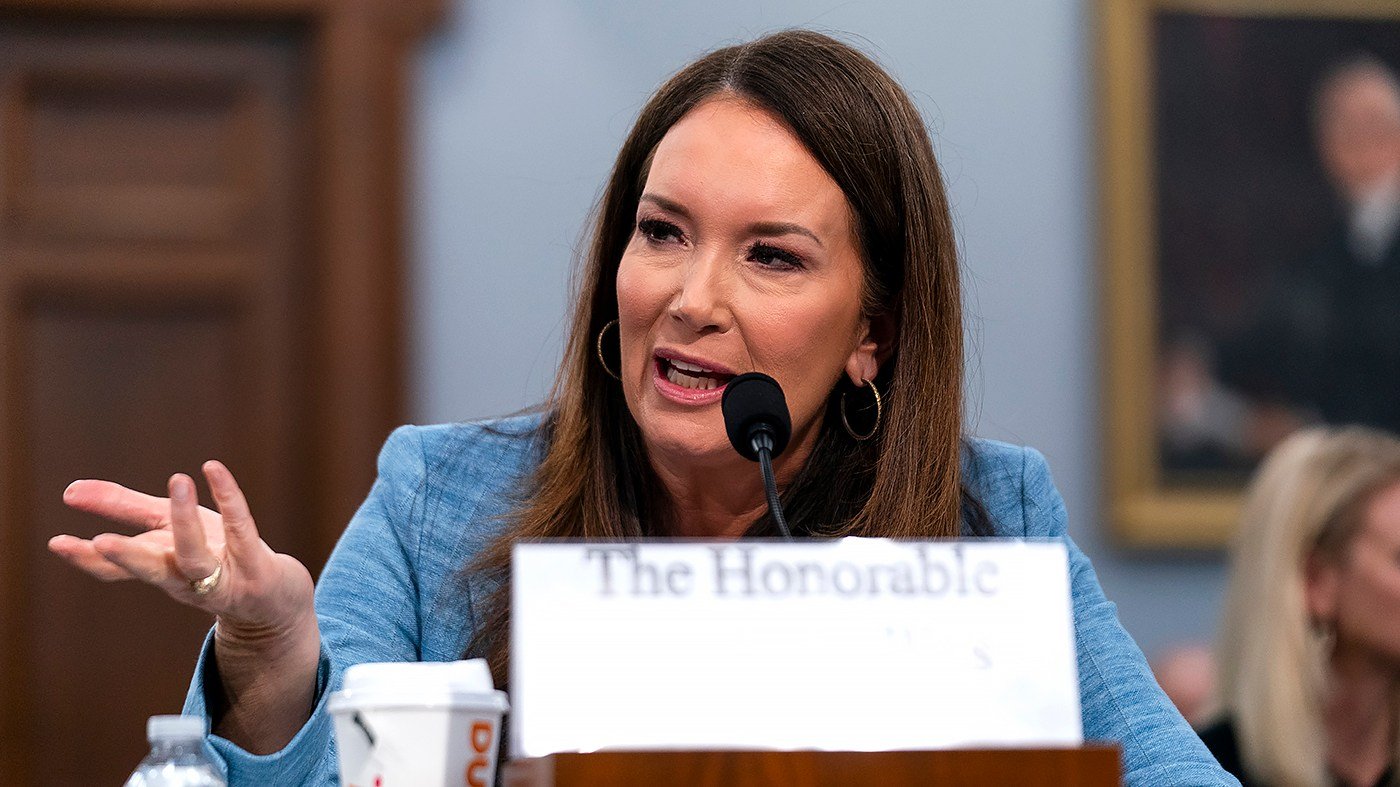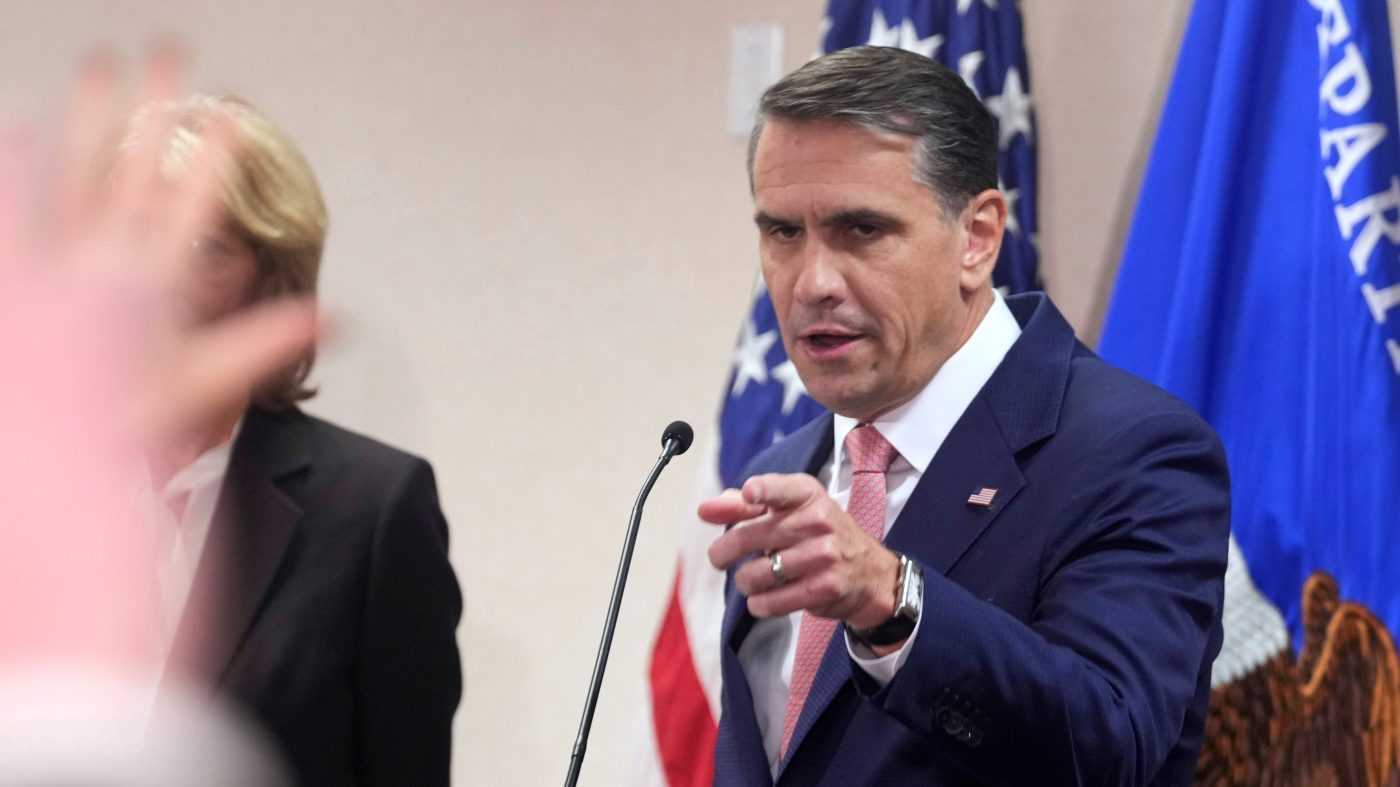
In a stunning display of bipartisan unity, the chairs of the Democratic and Republican women's caucuses announced a joint initiative to overhaul how Congress handles sexual misconduct allegations. The move comes just days after two lawmakers resigned within an hour of each other following accusations of abusing their power to prey on women staffers.
Rep. Teresa Leger Fernández (D-N.M.) and Rep. Kat Cammack (R-Fla.) said their caucuses are forming a formal partnership to address what they described as a fragmented, confusing, and intimidating reporting process that has left survivors without clear pathways to justice. The effort has backing from leadership on both sides of the aisle, underscoring the institutional—rather than partisan—nature of the problem.

The resignations of Rep. Eric Swalwell (D-Calif.) and Rep. Tony Gonzales (R-Texas) on April 13 forced the issue to the forefront. Both men stepped down after public outcry, survivor testimony, and looming expulsion resolutions made their positions untenable. But the lawmakers emphasized that the system itself failed the victims, many of whom feared professional retaliation and had little idea where to turn for help.
“Too many employees still do not know where to begin if they experience harassment, assault, or misconduct,” the caucus chairs wrote in a joint statement. “Others fear professional consequences for speaking up. Even experienced staff are often unclear about procedures, reporting pathways, and available support systems.”
The reform effort aims to identify gaps in the current process, streamline reporting procedures, improve awareness of resources, strengthen protections against retaliation, and ensure confidential guidance for staff. The chairs noted that previous reforms, including the bipartisan #MeTooCongress changes to the Congressional Accountability Act, have laid a foundation but left significant work undone.
“Policy changes alone will not solve this problem,” they wrote. “Congress also must confront the broader culture that allowed congressmen to believe they were immune and staffers to believe they were alone.”
The initiative will involve meetings with committees of jurisdiction, House offices, survivors, and staff to understand where the system falls short. The chairs stressed that the goal is not just to update rules but to change the culture that has enabled misconduct and silence. They pointed to the 2017 efforts by Rep. Jackie Speier (D-Calif.) and Rep. Bradley Byrne (R-Ala.) as a model for cross-party cooperation on this issue.
“Every employee who works for Congress—whether in Washington or in a district office—deserves a safe and professional workplace where employees can report misconduct without fear of retaliation or damage to their careers,” the statement said. “And the American people deserve a Congress that holds themselves to the standards they expect of others.”
The chairs invited input from staff, survivors, advocates, and anyone with ideas for improving the system. They framed the work as a moral obligation, not a partisan project. “Creating a safer Congress should not be a partisan issue,” they wrote. “It is an institutional and moral obligation.”
The announcement comes amid broader debates about workplace safety and accountability in Washington. Meanwhile, other bipartisan efforts continue on issues like college sports reform and mental health policy, but the misconduct reporting overhaul is seen as a critical test of whether Congress can address its own internal failures.