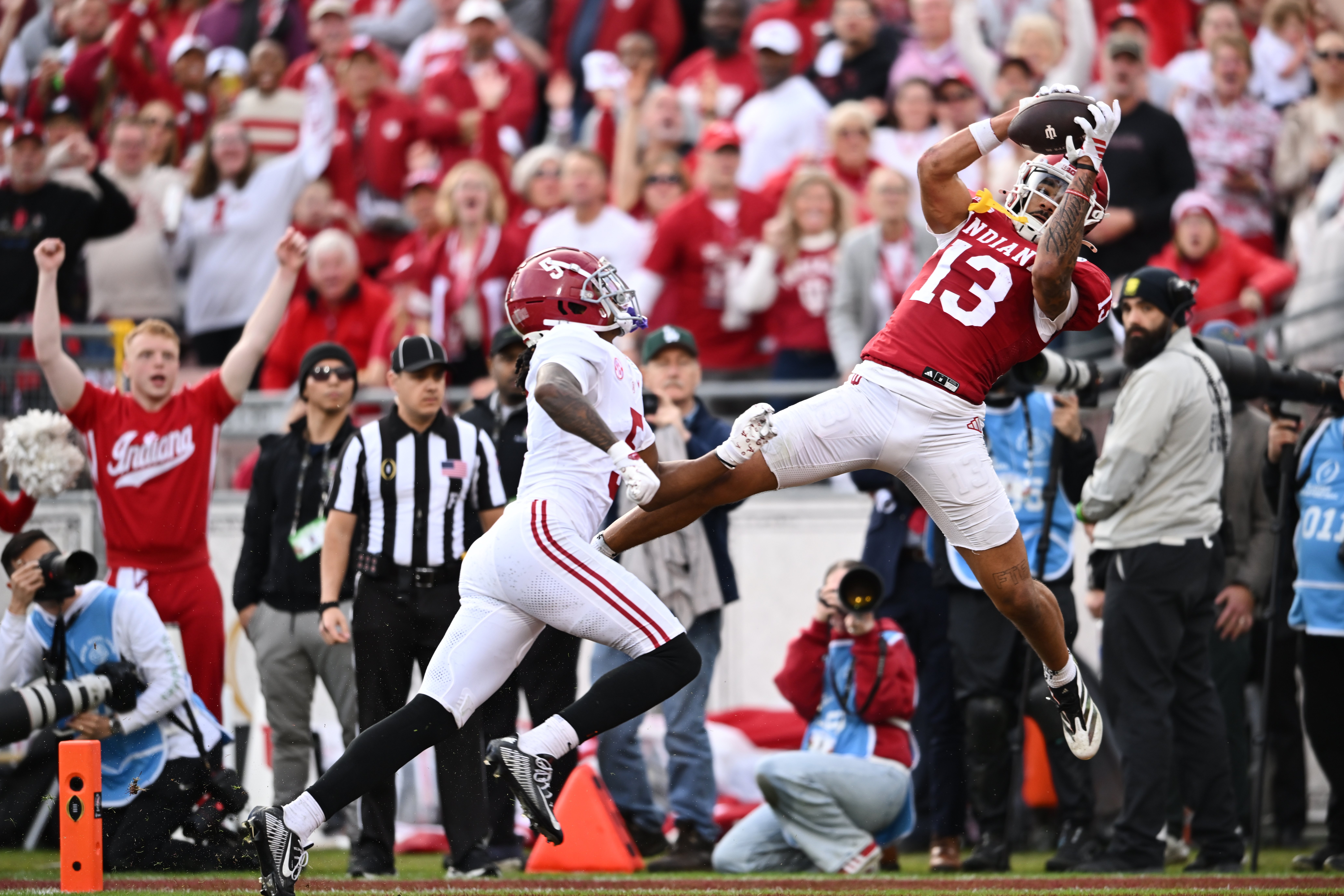
A bipartisan coalition of senators has unveiled legislation designed to give the NCAA limited antitrust protection, allowing the organization to establish new rules governing name, image, and likeness (NIL) deals, the transfer portal, and media rights for major college sports programs.
Key Provisions of the Protect College Sports Act
The Protect College Sports Act, introduced by Sen. Ted Cruz (R-Texas) and Sen. Maria Cantwell (D-Wash.), would shield the NCAA from litigation over NIL agreements, student-athlete agent regulations, medical coverage, and health and safety standards. The bill also targets the transfer portal and eligibility rules, prohibits certain compensation and cap-evasion tactics, and allows individual conferences to pool their television rights as more games migrate to streaming platforms.
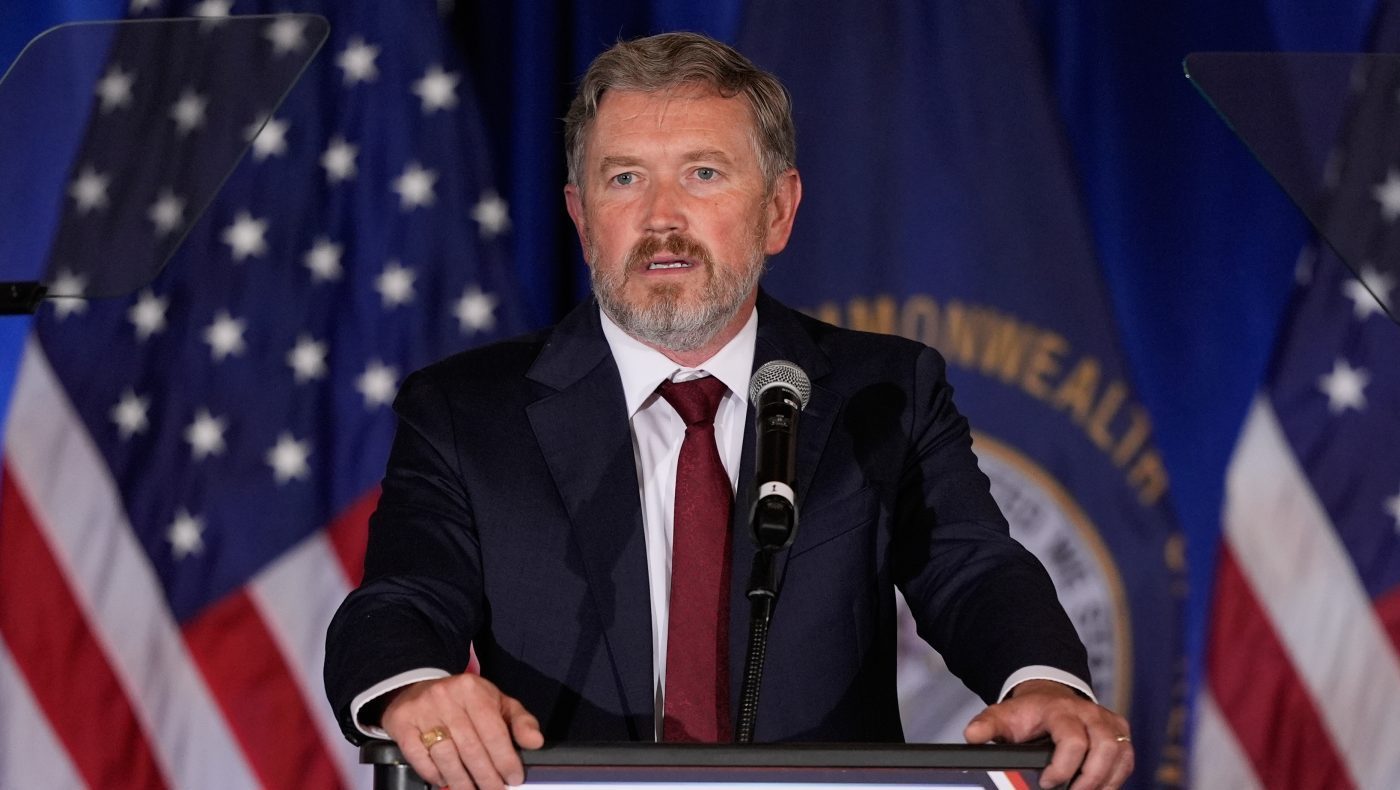
“College sports are at a breaking point,” Cruz said in a statement. “Fans can see their favorite teams being hollowed out by transfer chaos, fake NIL bidding wars, eligibility lawsuits, and a system that allows the richest programs to keep pulling away. Student athletes can profit from their name, image, and likeness, but college sports still needs real rules, competitive balance, rivalries, and a true connection to education. This bill protects athletes and fans and keeps college sports from becoming a two-conference minor league.”
Cantwell echoed that sentiment, describing the bill as a way to “put new tools and new rules on the table to rein in runaway costs while still preserving NIL, revenue sharing, and women and Olympic sports.”
Political Context and Previous Setbacks
The legislation arrives days after the SCORE Act, a House bill offering similar antitrust protections, collapsed following opposition from the Congressional Black Caucus (CBC). The CBC and the NAACP have separately urged Black student athletes to boycott top universities in states where Republican-led legislatures have pursued aggressive gerrymandering. The NCAA has lobbied Congress for months to pass legislation that would insulate it from a growing wave of lawsuits over NIL and transfer portal policies.
President Trump held a roundtable earlier this year with top coaches, lawmakers, and NCAA officials to address the turmoil. Randy Levine, a prominent sports executive and Trump ally, said, “The President directed us to work with Congress to fix the problem. Senators Cruz and Cantwell stepped up and showed great leadership in this bill. We applaud and appreciate them. This is a great first step to solving the chaos and protecting Olympic sports.”
The Senate Commerce Committee plans to hold a hearing on the proposed legislation in the coming weeks. The bill’s fate remains uncertain amid broader tensions on Capitol Hill, where GOP lawmakers are demanding intelligence focus on China’s AI push and other priorities. Meanwhile, the Trump administration’s quiet dismantling of federal harassment protections has drawn scrutiny, and bipartisan fury over a $1.8 billion fund linked to Jan. 6 payouts continues to simmer.
If enacted, the Protect College Sports Act would represent the most significant federal intervention in college athletics since the Supreme Court’s 2021 ruling in NCAA v. Alston, which opened the door to limited compensation for student athletes. Critics argue the bill gives the NCAA too much power to restrict athlete earnings, while supporters contend it is necessary to preserve the competitive balance and educational mission of college sports.