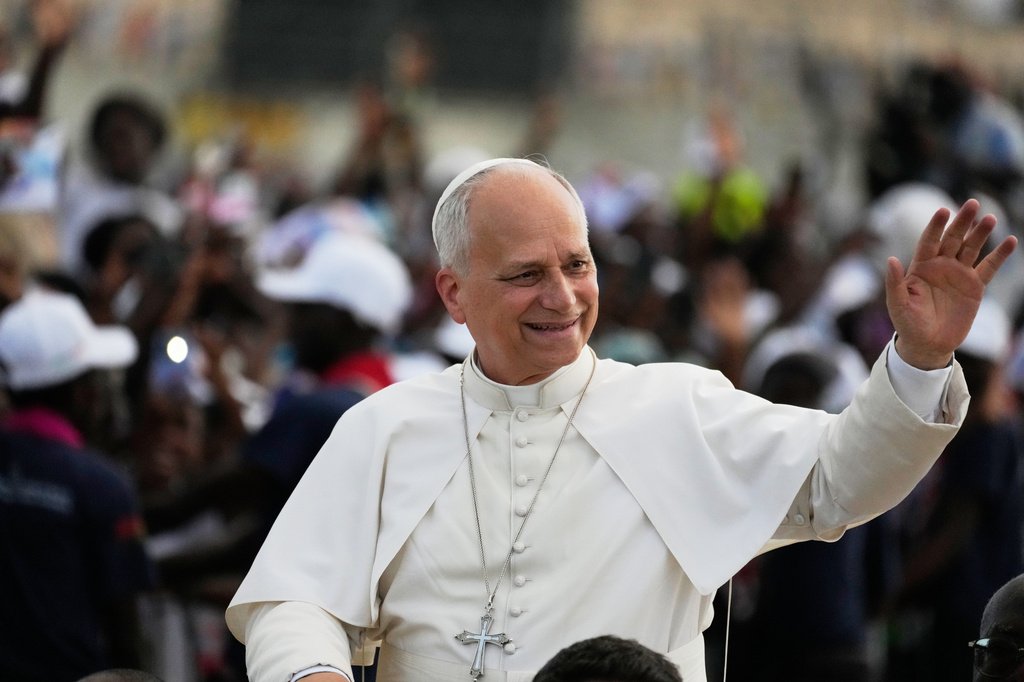
A profound theological and political schism has erupted between Pope Leo XIV and the Trump administration, centering on the interpretation and application of Christian principles to governance. The pontiff has directly challenged what he views as the weaponization of faith to justify military action against Iran and severe immigration enforcement, calling instead for policies rooted in grace and charity.
A Clash Over Doctrine and Power
The conflict, simmering since Trump's 2024 reelection, represents more than a policy dispute. It is a battle for the soul of American Christianity, pitting a populist, nationalist vision often labeled Christian nationalism against the Vatican's traditional teachings on peace and human dignity. The pope's election itself is viewed by some, including Trump on his Truth Social platform, as a reaction to the current political climate.
Central to the dispute is immigration. Pope Leo has sharply criticized Immigration and Customs Enforcement (ICE) operations that have targeted churchgoing immigrants, arguing they contradict pro-life values. "Someone who says 'I'm against abortion, but I'm in agreement with the inhuman treatment of immigrants in the United States,' I don't know if that's pro-life," the pope stated, framing the issue as one of consistent ethics. This rebuke followed reports of federal agents conducting raids near churches, drawing condemnation from U.S. Catholic bishops.
The Justification of Conflict
The rift widened significantly with the administration's approach to Iran. Trump, alongside officials like Defense Secretary Pete Hegseth, has framed potential conflict in religious terms, invoking biblical language and apocalyptic stakes. The pope, drawing on the Catholic Church's own complex history with so-called "holy wars," has forcefully rejected the notion that the administration's foreign policy can be sanctified through scripture.
This unprecedented diplomatic and theological clash has exposed divisions within the U.S. Church. The Vatican's recent appointment of the moderate Cardinal Ronald Hicks to a key U.S. position, replacing the more conservative Cardinal Timothy Dolan, is seen as a deliberate move to align American Catholic leadership more closely with Rome's stance against political co-option.
The pope's interventions serve as a direct challenge to conservative Catholics who have aligned with the Trump agenda, particularly on issues like abortion, while downplaying Church teachings on immigration and capital punishment. It also acts as a warning to the administration that its political maneuvers will face sustained scrutiny from the world's largest Christian institution.
Demographic shifts underpin the tension. An influx of Christian immigrants, many of them Catholic, has offset secularization trends in the U.S. population. Analysts note the political irony that a party which often courts Christian voters has adopted immigration policies targeting this very demographic, potentially fracturing a would-be electoral coalition.
The standoff presents a fundamental question for American believers: will political identity or doctrinal orthodoxy define their faith? As the administration continues to navigate complex international crises, this conflict with the Vatican over the moral compass of power shows no sign of abating, setting the stage for continued confrontation between the spiritual authority of Rome and the political project of MAGA.