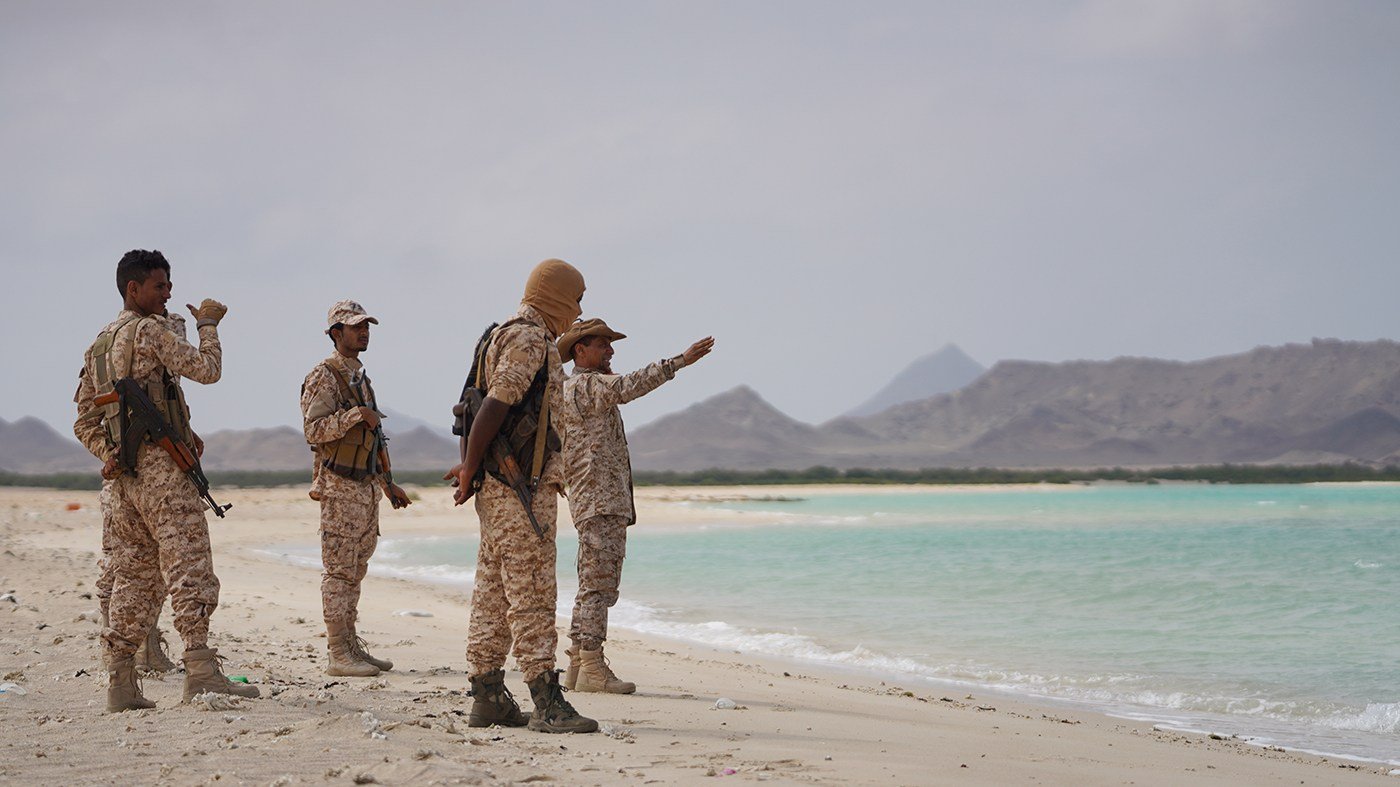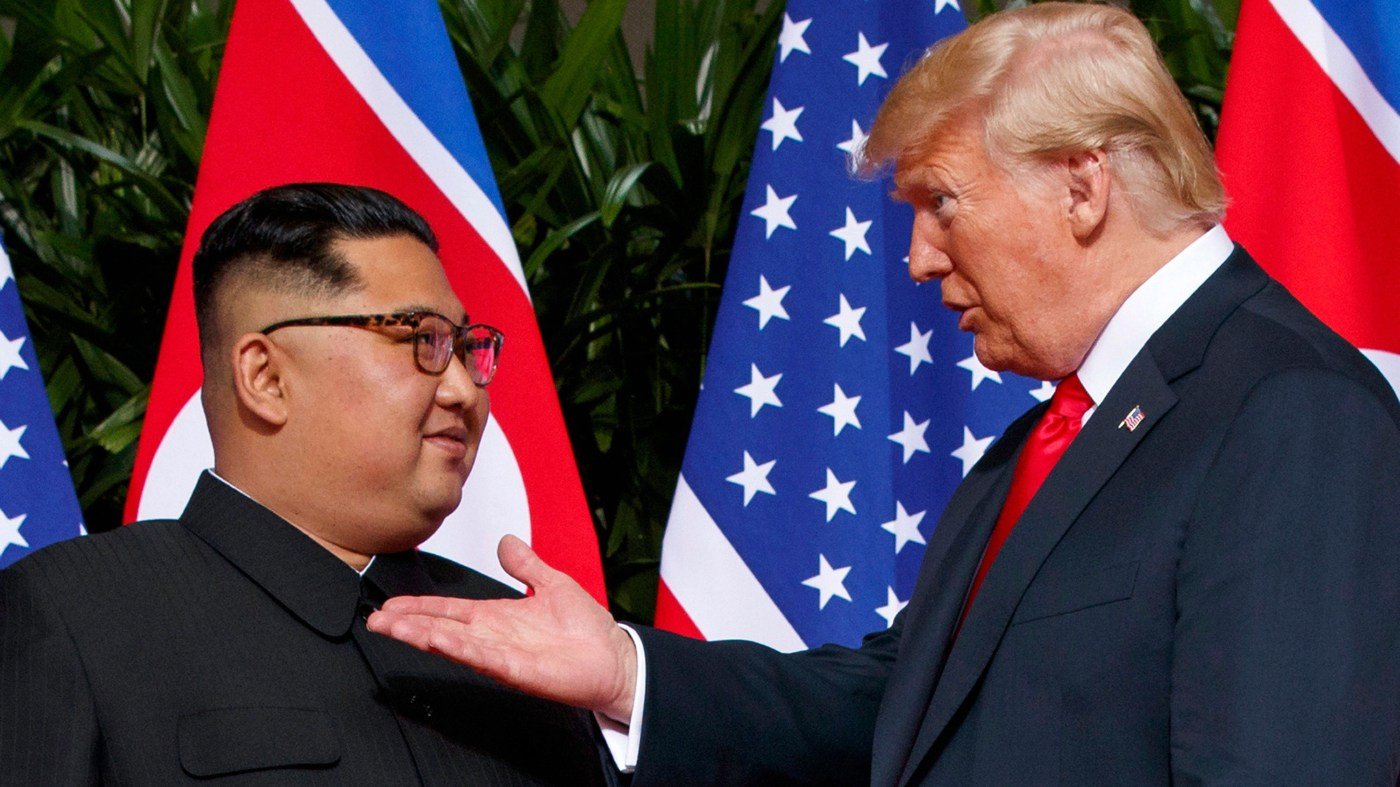
High-stakes diplomatic talks aimed at extending a fragile ceasefire between the United States and Iran are underway in Islamabad, with the April 22 deadline looming and Tehran signaling a strategy of deliberate delay. The White House confirmed Vice President Vance's arrival for the negotiations, supported by special envoy Steve Witkoff and senior advisor Jared Kushner—a delegation President Trump has called his "A-Team."
Iranian officials, however, have not publicly confirmed their participation, reflecting a pattern of mixed signals that analysts interpret as tactical maneuvering rather than a fundamental split in objectives. "Factionalism has been something perennial in the Iranian political system," said Behnam Ben Taleblu of the Foundation for Defense of Democracies. "Some of them respond to pressure differently... these are folks with different tactics trying to achieve the same goal: the survival of the Islamic Republic."
Leadership Questions and Negotiating Posture
The Iranian delegation is expected to be led by Speaker of Parliament Mohammad Bagher Ghalibaf and Foreign Minister Abbas Araghchi. This comes amid ongoing uncertainty about the condition of Supreme Leader Mojtaba Khamenei, who has not been seen publicly since the conflict began and is rumored to have been seriously wounded. He has communicated only through written statements since succeeding his father, who was killed in the initial U.S.-Israeli strikes.
President Trump has publicly rejected a simple ceasefire extension, demanding instead that Iran sign an agreement permanently blocking its pathway to nuclear weapons. "And if Iran's new leaders are smart, Iran can have a great and prosperous future!" he posted on Truth Social, explicitly calling for regime change. He has warned that failure to comply risks "lots of bombs" once the ceasefire expires, as detailed in our previous report on Trump's hardline deadline for the Iran negotiations.
Iran's Strategic Leverage and U.S. Domestic Pressure
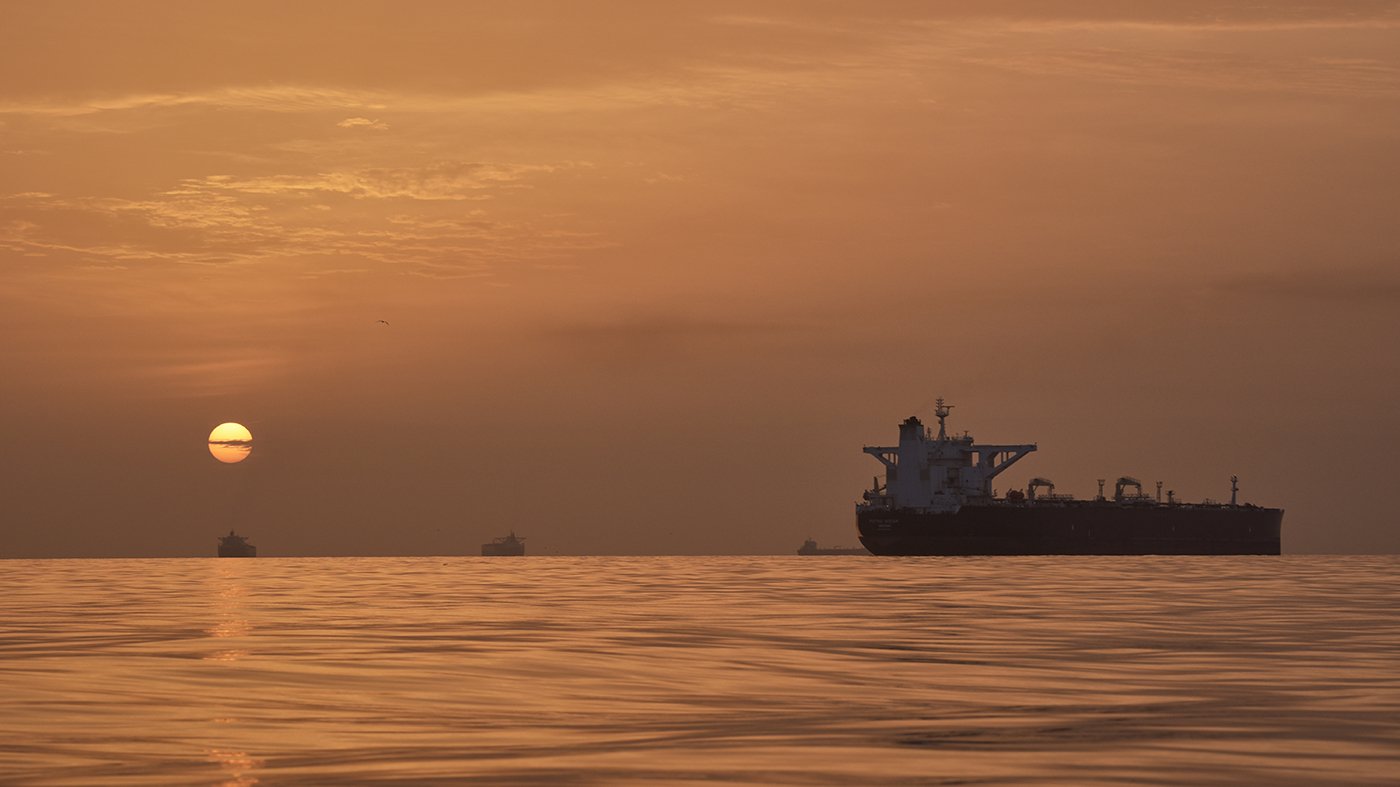
Iran holds significant leverage through its control of the Strait of Hormuz, which it has kept closed throughout the hostilities. This blockade has caused global oil prices to skyrocket, imposing economic pain on American consumers at the gas pump. The timing creates domestic political pressure for the Trump administration, with crucial midterm elections approaching where Republican control of Congress is at stake—a dynamic explored in our analysis of how the Iran conflict is affecting Trump's political standing amid high gas prices.
A public war of words between Trump and Iranian officials has complicated the diplomatic atmosphere. Alex Vatanka of the Middle East Institute argues this approach is counterproductive. "President Trump misunderstands, I think, fundamentally, the Iranian regime," Vatanka said. "He should walk into that room with a big stick... He should just not do it so publicly, because he gets more out of the Iranian side quietly than he does by taunting them in public."
A Hardened Regime and Internal Dynamics
Despite the apparent divisions, analysts caution against interpreting them as signs of regime weakness. Michael Hanna of the International Crisis Group noted, "The regime didn't fall and shows no signs of internal instability despite really intense bombing and US-Israeli military action." He suggested the conflict may have produced "a more hardline regime than the one that preceded it prior to the war."
Danny Citrinowicz of Israel's Institute for National Security Studies described an "Islamic Republic of Iran 3.0," where the Revolutionary Guards are driving a harder line. "Through the lens of the Revolutionary Guards, there will be no room for pragmatic politicians to push Iran's leadership toward compromise, especially after what they perceive as strategic gains against the U.S. and Israel," he stated.
Vatanka emphasized that the core issue is profound mutual distrust, exacerbated by U.S. military actions during previous diplomatic engagements. "Right now, the Iranians don't even know if the Americans are just trying to get them on a plane to shoot them down," he said, pointing to a deep historical mistrust that shapes Tehran's approach to negotiations.
The Nuclear Stalemate
The fundamental disagreement remains over Iran's nuclear program. Trump has stated the bottom line is "no nuclear weapons," while Iran maintains it seeks only peaceful nuclear energy and asserts its right to enrich uranium. Tehran has also resisted including its ballistic missile program and support for regional proxies in the negotiations.
As the Wednesday deadline approaches, the Islamabad talks represent a critical test of whether the two adversaries can move from a temporary halt in hostilities to a more stable arrangement—or whether the region will see a rapid return to open conflict. The outcome will have immediate consequences for global energy markets, regional security, and domestic U.S. politics in an election year.