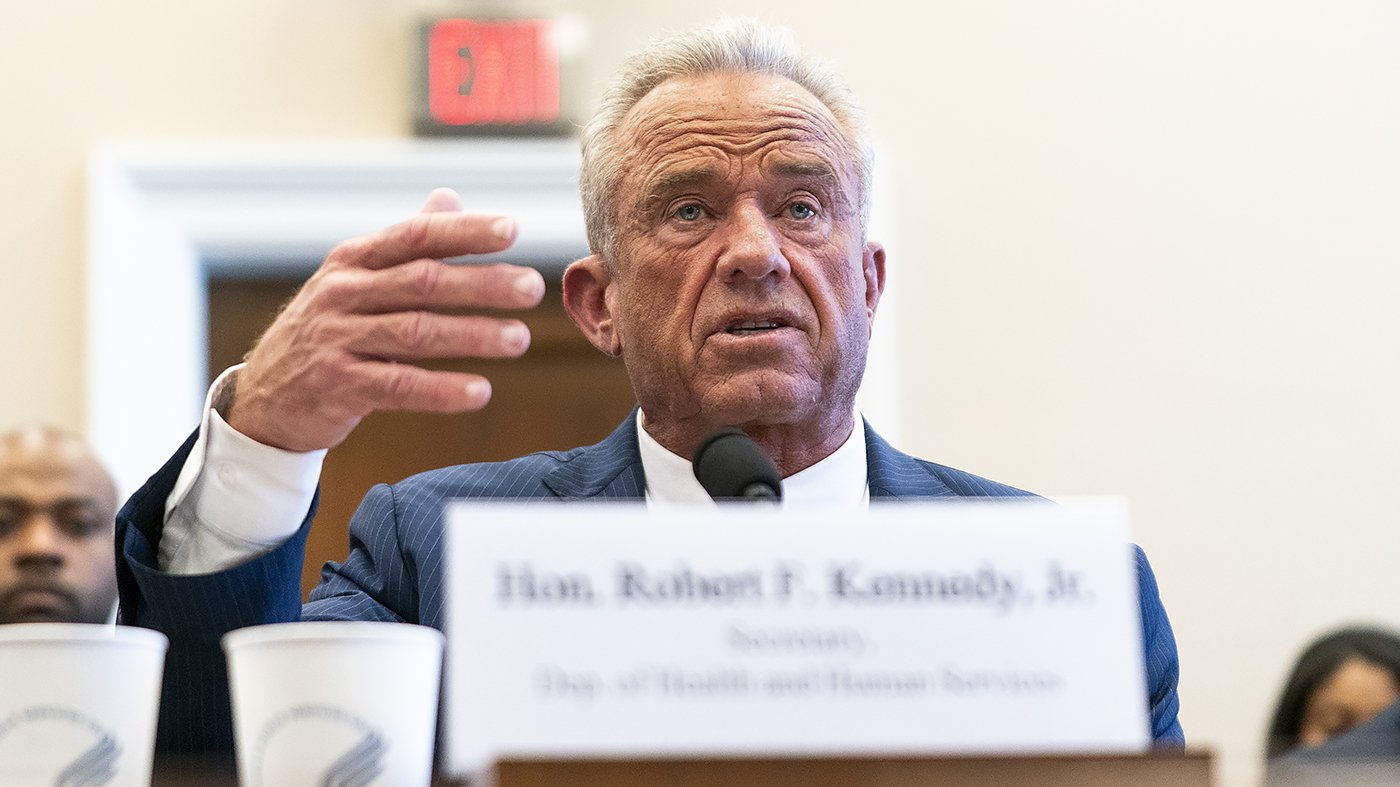
Health and Human Services Secretary Robert F. Kennedy Jr. returns to Capitol Hill on Tuesday for a high-stakes appearance before the House Energy and Commerce Committee. The hearing centers on the Trump administration's fiscal 2027 budget proposal for the sprawling health agency, but lawmakers are poised to interrogate Kennedy on a far broader range of contentious policy fronts.
Budget Scrutiny and Policy Priorities
The secretary is expected to outline and defend the administration's spending blueprint for HHS, which reportedly includes significant budget reductions. This hearing represents a critical step in the congressional appropriations process, where the White House's vision for federal health spending meets legislative reality. The proposed cuts come amid broader fiscal debates, as Trump's 2027 budget plan has drawn criticism for potentially undermining other administration goals through persistent deficits.
Vaccine Policy Takes Center Stage
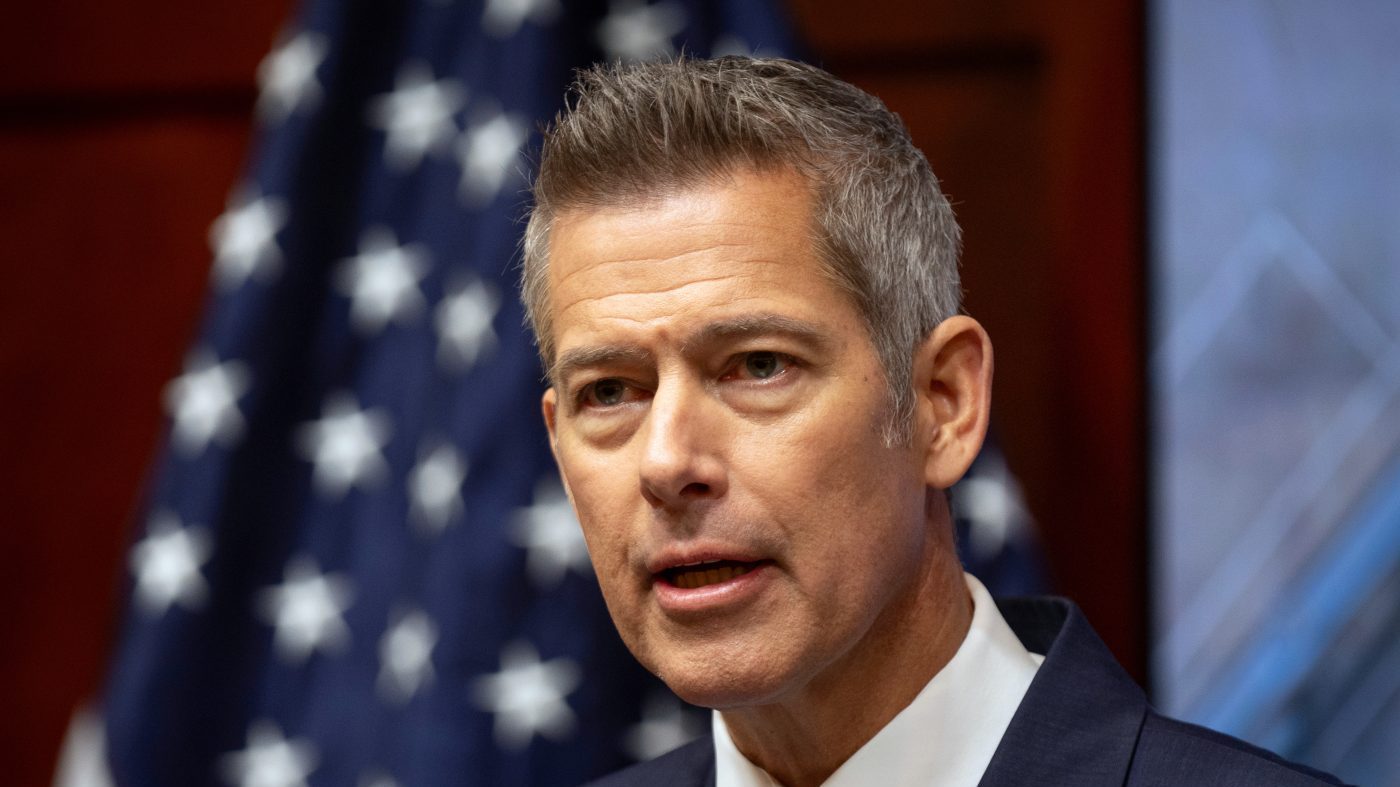
While the hearing is nominally about the budget, bipartisan committee members are preparing to challenge Kennedy aggressively on his department's sweeping proposed alterations to the federal childhood vaccine schedule. Kennedy's "Make America Healthy Again" agenda, which includes these revisions, has sparked intense controversy within the medical community and among public health advocates. The secretary has faced similar pressure in recent weeks; during three separate hearings last week, he largely attempted to pivot away from vaccine discussions, focusing instead on administration messaging regarding food and drug pricing.
This persistent questioning reflects deep congressional unease with the administration's public health direction. The tension is further highlighted by the recent nomination of a public health veteran to lead the CDC, a move some observers see as an attempt to counter perceptions of vaccine skepticism within the executive branch.
A Packed Day of Testimony
Kennedy's congressional gauntlet does not end with the House committee. He is scheduled to face another round of questioning in the Senate later on Tuesday, ensuring a full day of scrutiny from both chambers. The back-to-back appearances underscore the legislative branch's intense focus on HHS's policy trajectory and budget management under Kennedy's leadership.
The hearing also occurs against a backdrop of other significant personnel and ethical developments within the federal government. Recent weeks have seen the departure of Labor Secretary Chavez-DeRemer for the private sector, while the House grapples with its own internal discipline matters as an ethics panel prepares sanctions for a Florida lawmaker.
Broader Political Context
The interrogation of a cabinet secretary over budget details and policy implementation is a core function of congressional oversight. Kennedy's testimony will be dissected not only for its substance but for what it reveals about the administration's health policy priorities heading into the latter part of the term. Lawmakers will likely probe the practical implications of the proposed budget cuts on agency operations, from medical research to safety net programs.
Furthermore, the hearing may touch on interagency coordination, particularly as other departments navigate their own complex challenges. For instance, Energy Secretary Wright recently indicated gas prices may remain elevated for years, a factor that indirectly impacts public health through economic stress. The administration's budgetary choices across agencies will collectively define its domestic policy legacy.
The House Energy and Commerce Committee hearing is scheduled to begin at 10 a.m. Eastern Daylight Time.