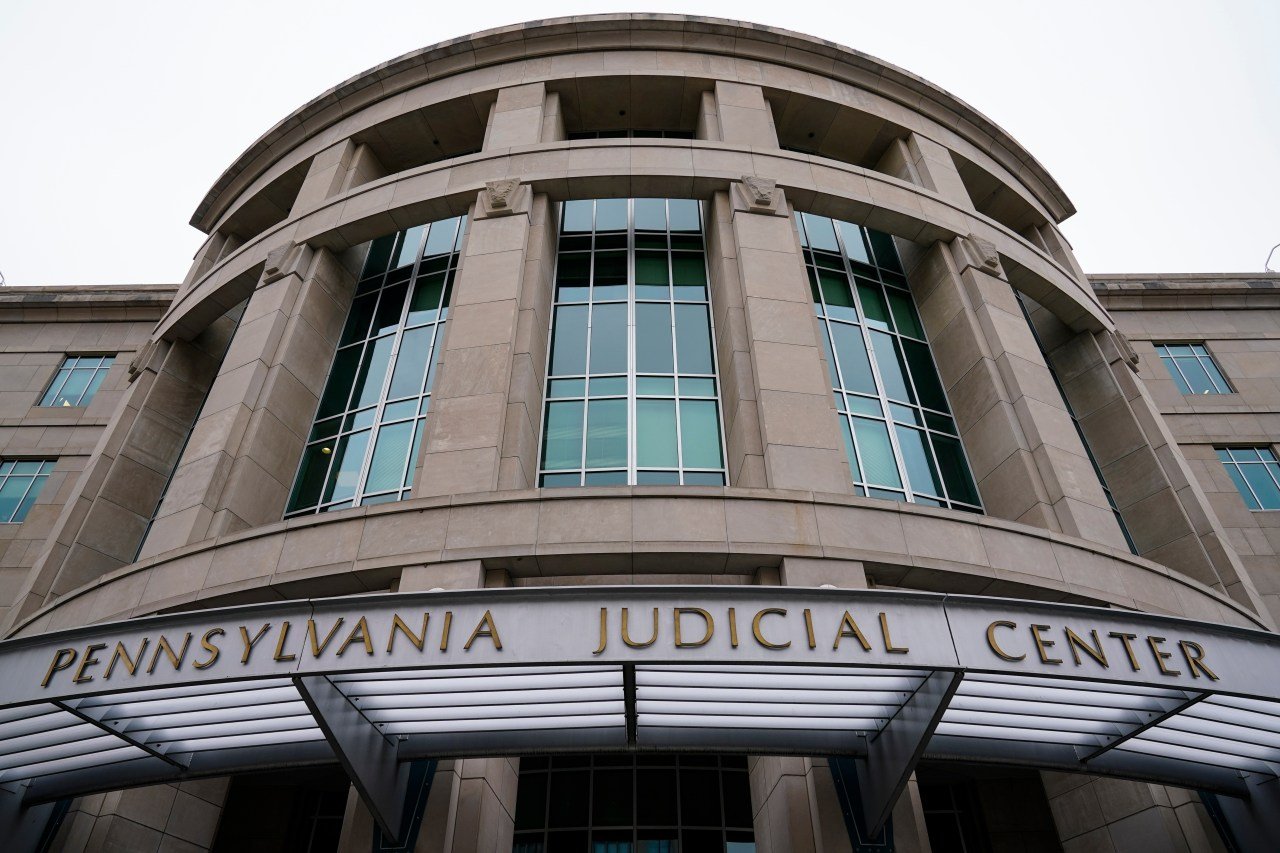
A Pennsylvania appellate court delivered a landmark ruling on Monday, declaring that the state's constitution guarantees a right to abortion and simultaneously invalidating a decades-old prohibition on using state Medicaid funds to cover the procedure. The decision from the Commonwealth Court's divided seven-judge panel represents a substantial legal victory for abortion providers and advocacy groups, fundamentally altering the reproductive rights landscape in a key battleground state.
Legal and Political Ramifications
The case, originally filed in 2019 by Planned Parenthood and clinic operators challenging Medicaid funding restrictions, gained immense national significance following the 2022 U.S. Supreme Court decision that overturned Roe v. Wade. Monday's ruling marks the first explicit recognition of abortion rights within Pennsylvania's constitution, placing it among a small group of states where advocates have successfully leveraged state constitutional protections to safeguard access. The case remains subject to appeal to the Pennsylvania Supreme Court.

"Today, our Commonwealth Court, looking at the Pennsylvania constitution, held that there is a right to reproductive autonomy, and it’s the highest possible level of a right," said Susan Frietsche of the Women's Law Project, which represented the clinics. The ruling underscores how state courts are becoming critical arbiters of rights in the post-Roe era, a trend also seen in cases like the Supreme Court taking up a Colorado religious liberty case that could reshape legal protections.
Partisan Reactions and Electoral Implications
The decision triggered immediate and polarized political reactions. Democratic Governor Josh Shapiro, who declined to defend the law, praised the ruling, stating, "a woman’s ability to access reproductive care should never be determined by her income." In contrast, Republican state Treasurer and likely gubernatorial challenger Stacy Garrity called the mandate for taxpayer-funded abortions "misguided" and "immoral." This clash sets the stage for abortion to be a central issue in Pennsylvania's fall elections, mirroring national political battles where social policy remains fiercely contested.
The legal path to this ruling was complex. After a lower court dismissed the case in 2021, citing a 1985 state Supreme Court precedent, the Pennsylvania Supreme Court revived it in 2024. The higher court determined that prior rulings had not fully considered the scope of state constitutional protections against discrimination, which can extend beyond federal guarantees. This judicial re-examination of foundational rights parallels other contentious legal arenas, such as the ongoing debates over school gender identity policies that also reach state and federal courts.
Court's Reasoning and Dissent
The Commonwealth Court's majority opinion directly countered the state's argument that the Medicaid ban served a legitimate interest in "protecting fetal life." The judges wrote that if the state is concerned about maternal health, it should invest in healthcare and education rather than categorically denying a medical procedure for low-income women. "That is less intrusive than taking an entire medical procedure off the table categorically for some women," the opinion stated.
Abortion opponents condemned the decision. Michael Geer, president of the Pennsylvania Family Institute, argued the court "overstepped its authority, ignored the plain text of our state constitution, and forced millions of Pennsylvanians... to subsidize the killing of unborn children." This rhetoric highlights the deep cultural and legal fissures the ruling exposes, similar to conflicts seen in disputes over symbolic issues like the Pride flag at Stonewall, where legal settlements attempt to resolve broader cultural erasure.
The ruling's practical effect is to order the state's Medicaid program to begin covering abortion costs without the previous restrictions, pending any appeal. In Pennsylvania, abortion remains legal under state statute through 23 weeks of pregnancy. The decision shifts the financial burden for low-income patients seeking the procedure and establishes a new constitutional precedent that could influence future legislation and legal challenges related to reproductive healthcare in the state.