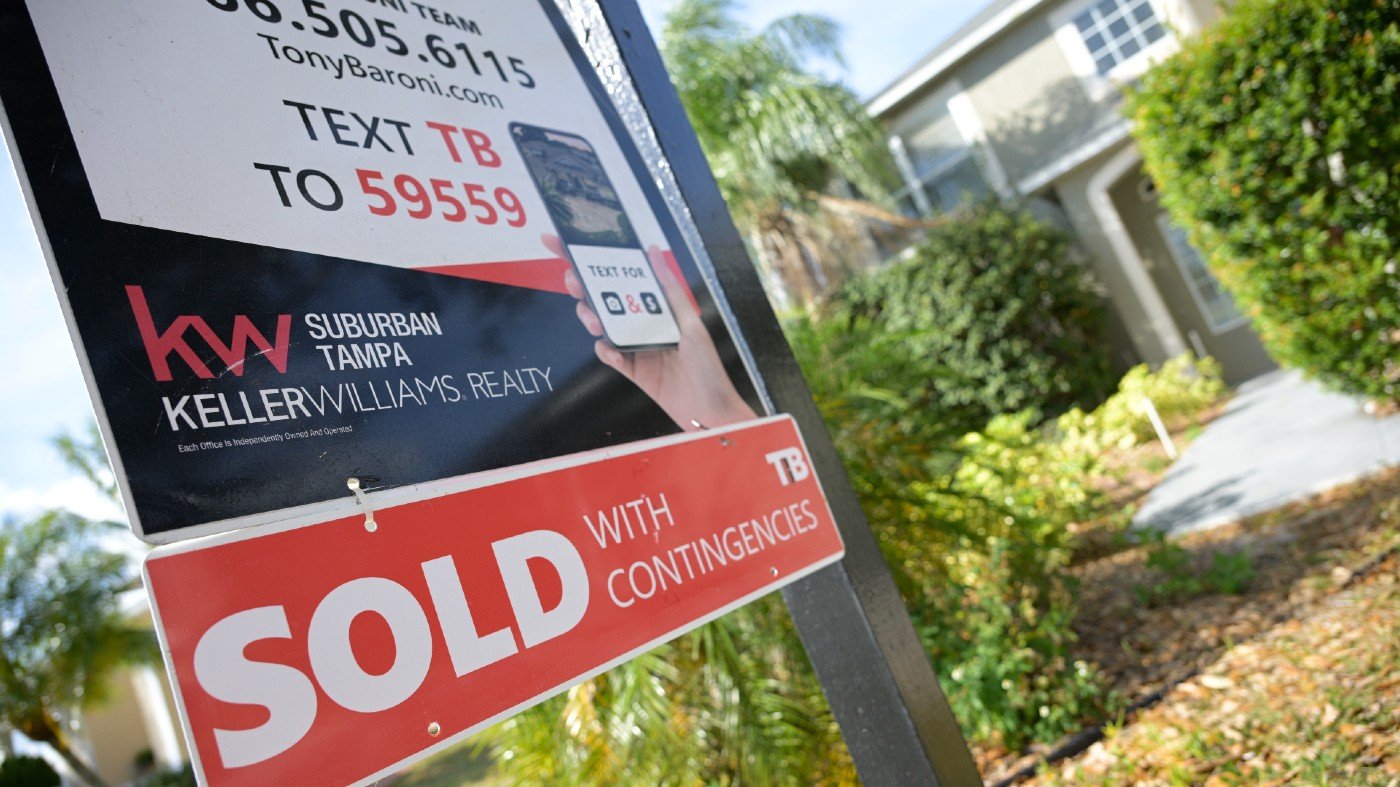
The American dream of homeownership is slipping further out of reach, according to a new Gallup poll that shows a steep drop in the share of non-homeowners who expect to buy a house in the next five years. Just 19% of renters and others without a home say they anticipate purchasing a property in that timeframe, down from 25% in 2025 and a sharp fall from 34% in 2018.
The findings underscore a deepening affordability crisis that is reshaping the housing market and fueling broader economic anxieties. The poll, conducted April 1–15, included 254 non-homeowners and carries a margin of sampling error of plus or minus 8 percentage points.

Short-Term Outlook Flat, Long-Term Hopes Tick Up
While five-year expectations have cratered, the share of non-homeowners who say they might buy within the next year edged up slightly to 6%, from 5% in the previous survey. At the same time, 28% of respondents said they could see themselves buying a home sometime in the next 10 years, up from 23% last year. That suggests many Americans are pushing their homeownership timelines further into the future rather than abandoning the goal entirely.
Young adults continue to bear the brunt of the housing crunch. A separate survey released in January by real estate brokerage Redfin found that just 38.3% of 28-year-olds owned a home last year. That is a notable decline from 42.5% among Gen Xers at the same age, and 44.4% among baby boomers. The generational slide points to structural barriers—soaring prices, high interest rates, and stagnant wages—that are locking out a generation from the wealth-building that homeownership traditionally provides.
Bipartisan Legislation Targets Rural Housing Gaps
Lawmakers have taken notice. Late last month, a bipartisan group of senators unveiled legislation designed to ease the home-buying process for residents in rural areas. The bill would make nearly 30 million homebuyers eligible for rural housing assistance for the first time, potentially opening the door for more Americans to overcome financial hurdles. The proposal targets a segment of the population that has been particularly hard-hit by rising costs and limited inventory.
The poll's findings also come amid broader economic discontent. A separate Gallup survey found that nearly half of Americans rate the economy as "poor," a sentiment that could shape voter priorities in upcoming elections. Meanwhile, environmental concerns are also on the rise, with another Gallup poll showing record levels of anxiety about climate change as the Trump administration doubles down on fossil fuel production.
The housing market's struggles are part of a larger picture of financial strain. For many non-homeowners, the dream of owning a home is being replaced by a more immediate focus on paying rent and covering basic expenses. As the political landscape shifts, the issue of housing affordability is likely to remain a key battleground in policy debates.