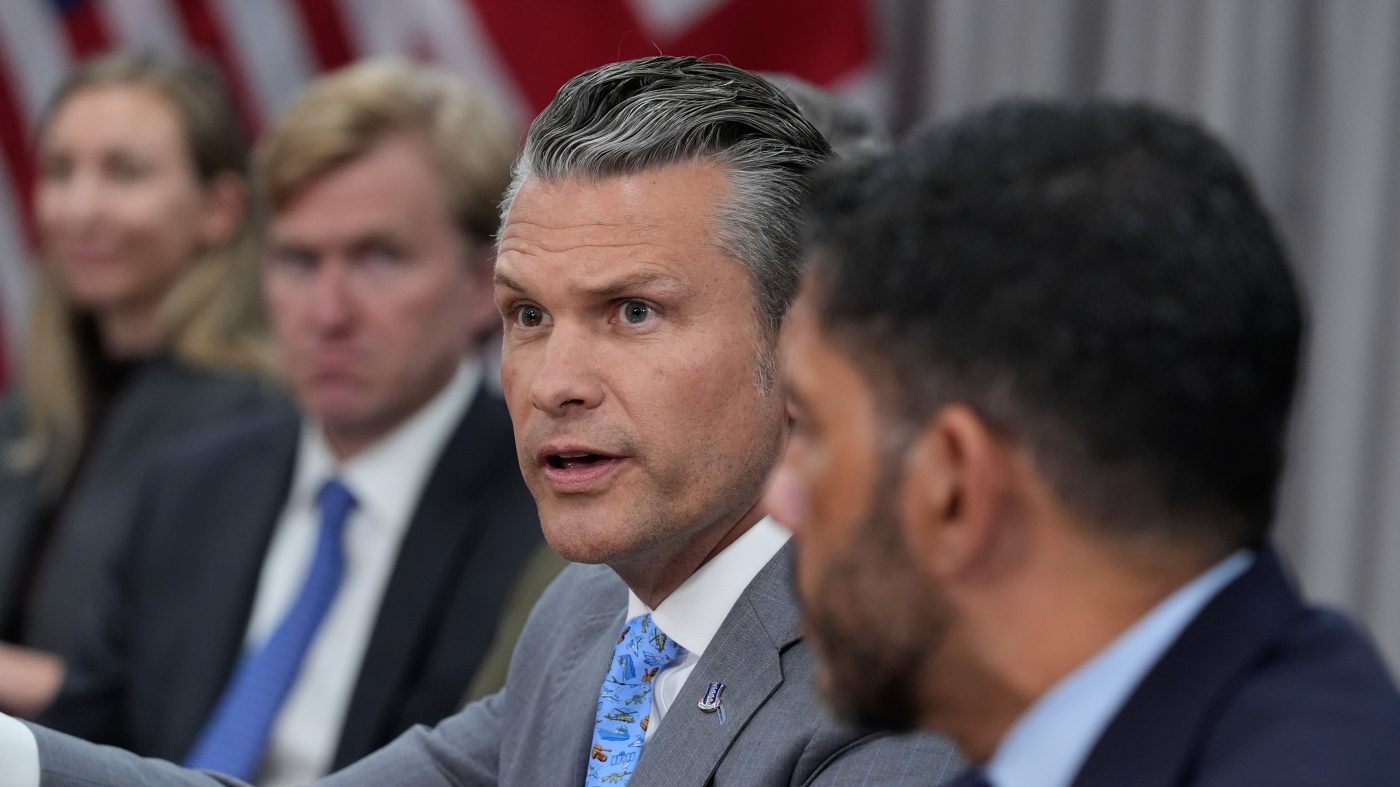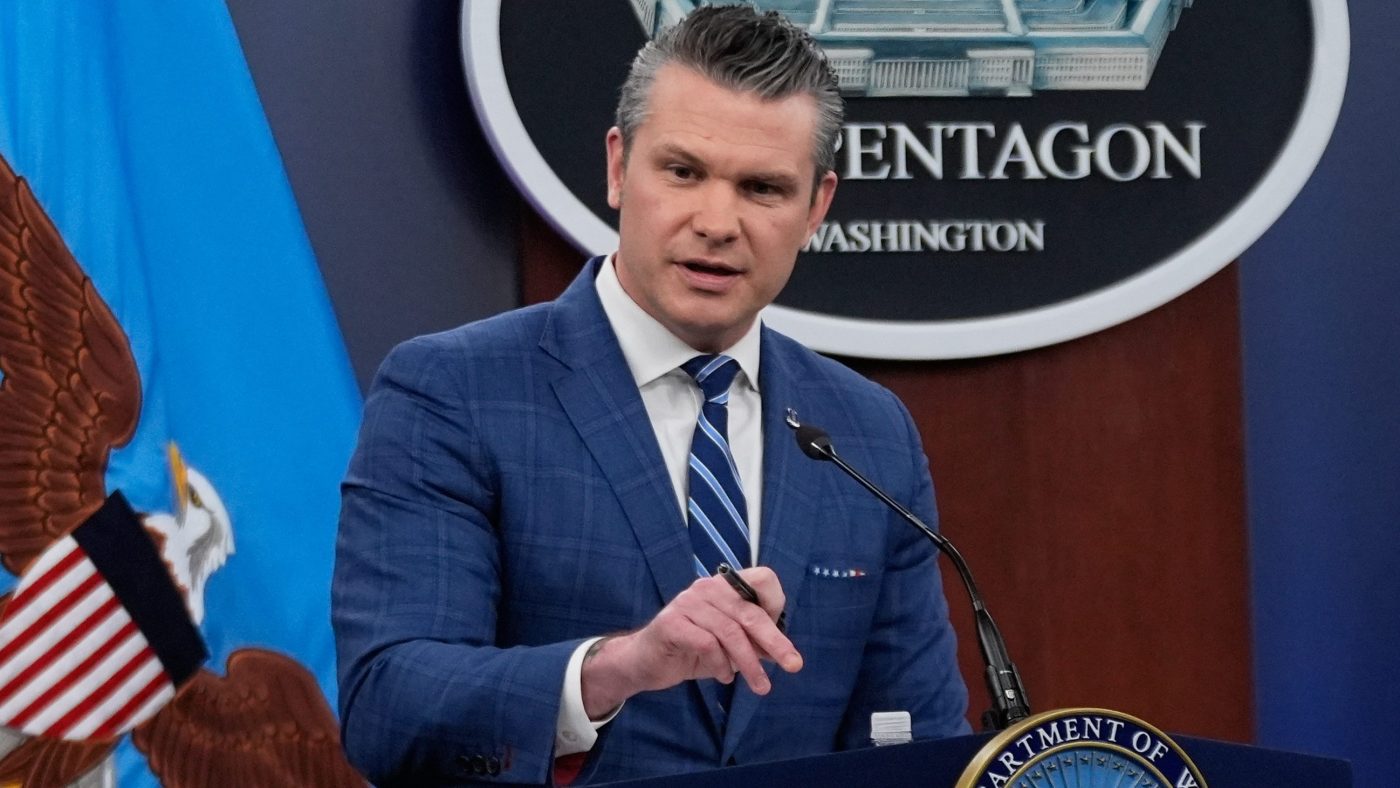
Defense Secretary Pete Hegseth told lawmakers Wednesday that the Pentagon had released $400 million in previously stalled Ukraine security assistance, following a pointed op-ed from former Senate Republican leader Mitch McConnell that criticized the delay.
Hegseth made the disclosure during a House hearing in response to a question from Rep. Sarah Elfreth (D-Md.), who cited McConnell's frustration over the funding being held up. "The department recognizes that $400 million was allocated for European capacity building, and as of yesterday, it has been released," Hegseth said.
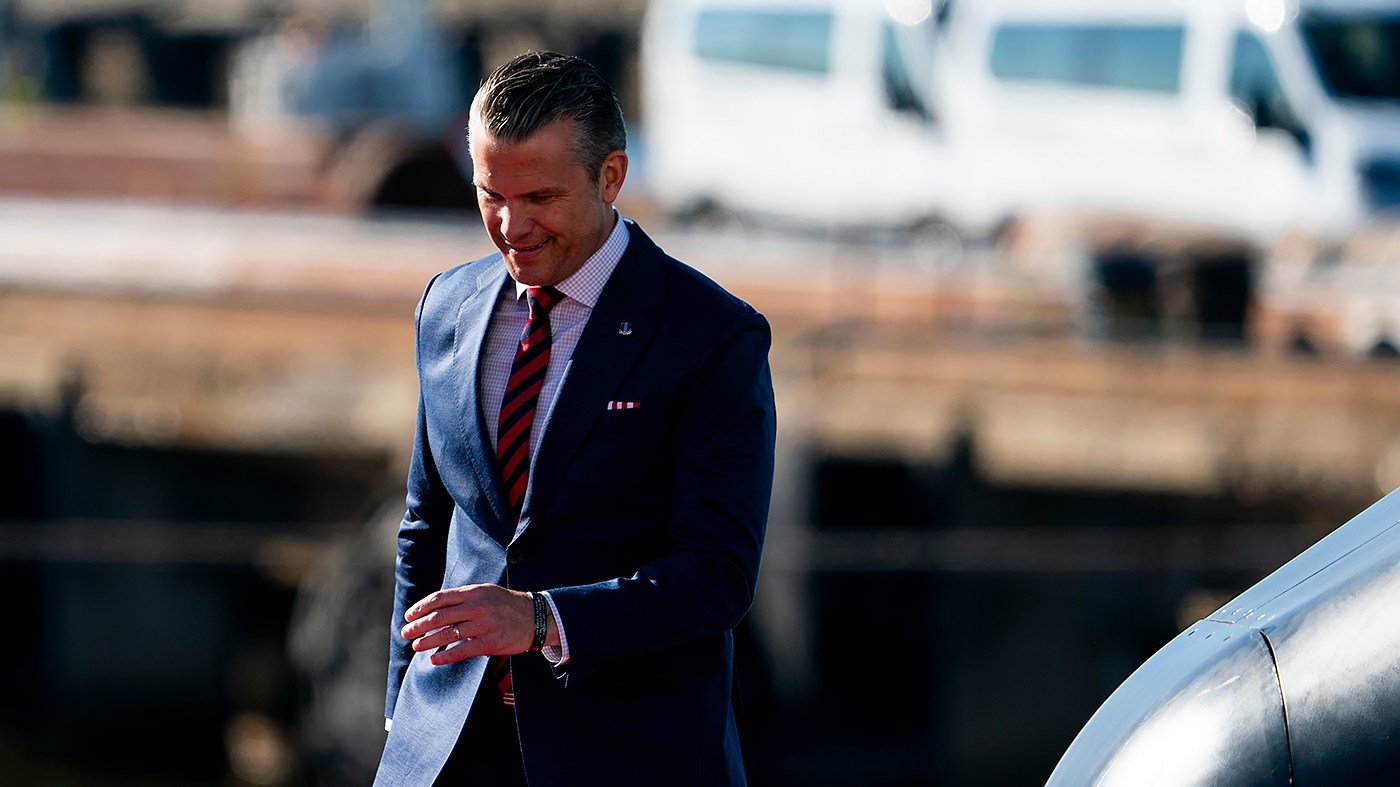
When Elfreth pressed whether the money had been put under contract, Pentagon Comptroller Jules Hurst III clarified that it was "not under contract, but released to be put under contract." He added that the timeline for actual use on the ground in Ukraine "depends on what they buy with the money." Hurst said the Pentagon would follow the advice of U.S. European Command commanders to ensure the funds are used effectively.
Elfreth highlighted the strategic importance of Ukraine's military efforts, noting that Kyiv has intercepted Iranian drones that threaten U.S. and partner forces in the Middle East. "Despite some public belittling, Ukraine has stepped up perhaps more than any other ally for us in the Middle East," she said, pointing to Ukraine's hard-won battlefield experience against Russia.
McConnell's op-ed, published earlier this week, blamed the delay on Under Secretary of Defense for Policy Elbridge Colby, accusing him of stonewalling lawmakers and suspending arms shipments to Ukraine last year. McConnell wrote that Colby had deemed security assistance to Ukraine and Baltic NATO allies as "wasteful" and removed those programs from the fiscal 2026 budget request.
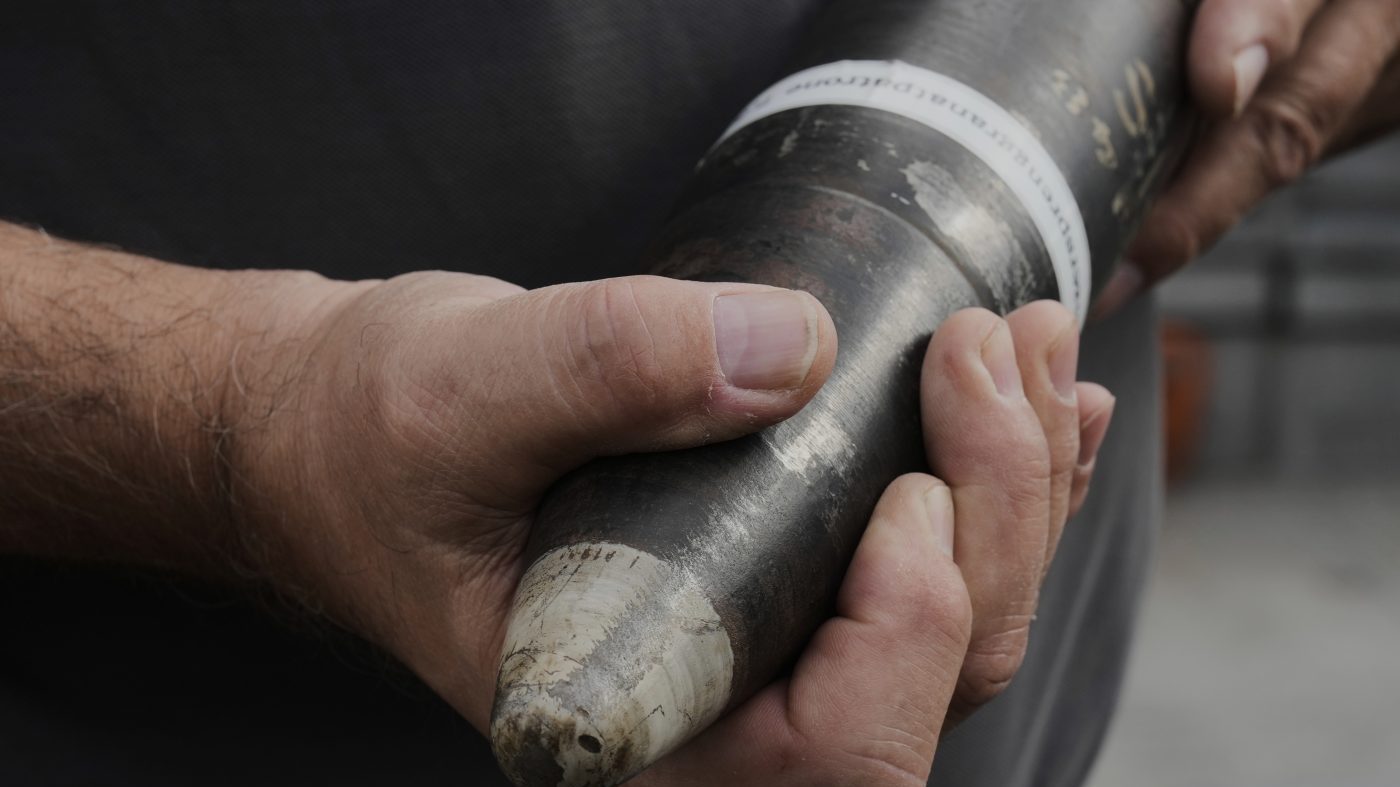
The funding comes from the $900 billion National Defense Authorization Act for fiscal 2026, which passed the Senate late last year. It allocates $400 million for Ukraine in 2026 and another $400 million in 2027 through the Ukraine Security Assistance Initiative, designed to finance production of high-priority weapons by American companies for Ukraine's armed forces.
The release marks a partial resolution to tensions between Congress and the Pentagon over the pace of aid delivery. McConnell had previously blasted the Pentagon for hoarding the funds, accusing the department of undermining bipartisan support for Ukraine. The episode also underscores broader policy rifts, as the acting U.S. envoy to Ukraine recently departed amid internal disagreements.
Hegseth has faced repeated congressional scrutiny over defense spending and strategic priorities, including questions about the costs of potential Iran conflict and military personnel decisions. The Ukraine aid release may ease some criticism, but lawmakers from both parties are expected to continue pressing for faster delivery of military support to Kyiv.
As the war in Ukraine grinds on, the Pentagon's ability to get aid out the door remains a flashpoint. The $400 million now available for contracting could help replenish Ukrainian forces, though the comptroller's comments suggest actual disbursement may still take weeks or months depending on procurement decisions.