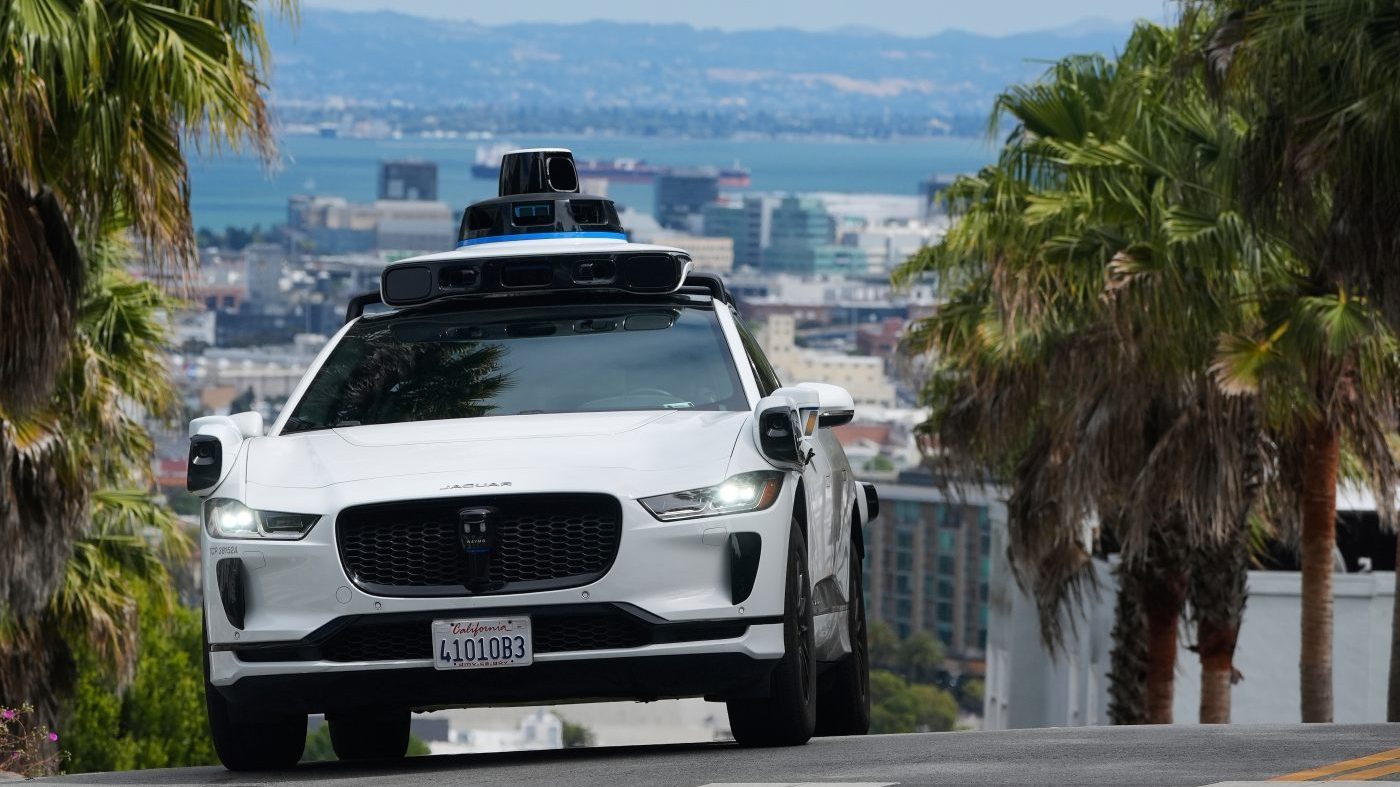
The California Department of Motor Vehicles (DMV) has implemented a sweeping set of new regulations for autonomous vehicles (AVs), aiming to address public safety concerns and increase oversight of manufacturers. The rules, announced Tuesday, expand safety and monitoring requirements across all AV categories, granting law enforcement the ability to cite companies for moving violations and mandating that AV operators respond to first responder calls within 30 seconds.
Under the updated framework, local emergency officials can now issue electronic geofencing directives to clear AVs from active emergency zones. This follows a series of high-profile incidents that have raised questions about the readiness of driverless technology for widespread deployment.

“California continues to lead the nation in the development and adoption of AV technology, and these updated regulations further demonstrate the state’s commitment to public safety,” DMV Director Steve Gordon said in a statement. “These updates support the growth of the AV industry by enhancing public safety and transparency while adding additional accountability for AV manufacturers.”
The regulations, paired with Assembly Bill 1777, empower local governments to create temporary “do not enter” or “restricted area” zones during emergencies. Any AV already inside such a zone must exit immediately, and no new AVs may enter. Violations could lead to permit restrictions or suspension, depending on the severity of the incident.
Manufacturers must complete substantial testing mileage before deployment: 50,000 miles for light-duty vehicles and 500,000 miles for heavy-duty ones. The DMV also retains the authority to impose targeted operational restrictions on AV makers when public safety is at risk.
The new rules come in the wake of several troubling events. In December, a massive outage in San Francisco left multiple Waymo vehicles stalled at intersections with nonfunctional stoplights. Earlier, a Waymo car struck and killed a neighborhood cat named KitKat, prompting city leaders to push for additional oversight. In February, the Teamsters of California called on Waymo to suspend operations after one of its vehicles hit a child near a Santa Monica elementary school; the child was not injured.
“Imagine a scenario where more and more of these vehicles are on the street and there’s an earthquake,” Teamsters California co-chair Peter Finn told the Los Angeles Times. “There’s people trying to evacuate, there’s emergency response, and these things can’t move at all.”
Waymo responded to the Santa Monica incident, in which the vehicle was traveling at 17 mph before striking the child, by stating it is “committed to improving road safety, both for our riders and all those with whom we share the road.”
California’s regulatory push comes amid a broader political landscape, including a crowded gubernatorial race where candidates are jockeying on issues from housing to technology. The state’s moves on AVs could influence how other jurisdictions approach the balance between innovation and public safety.