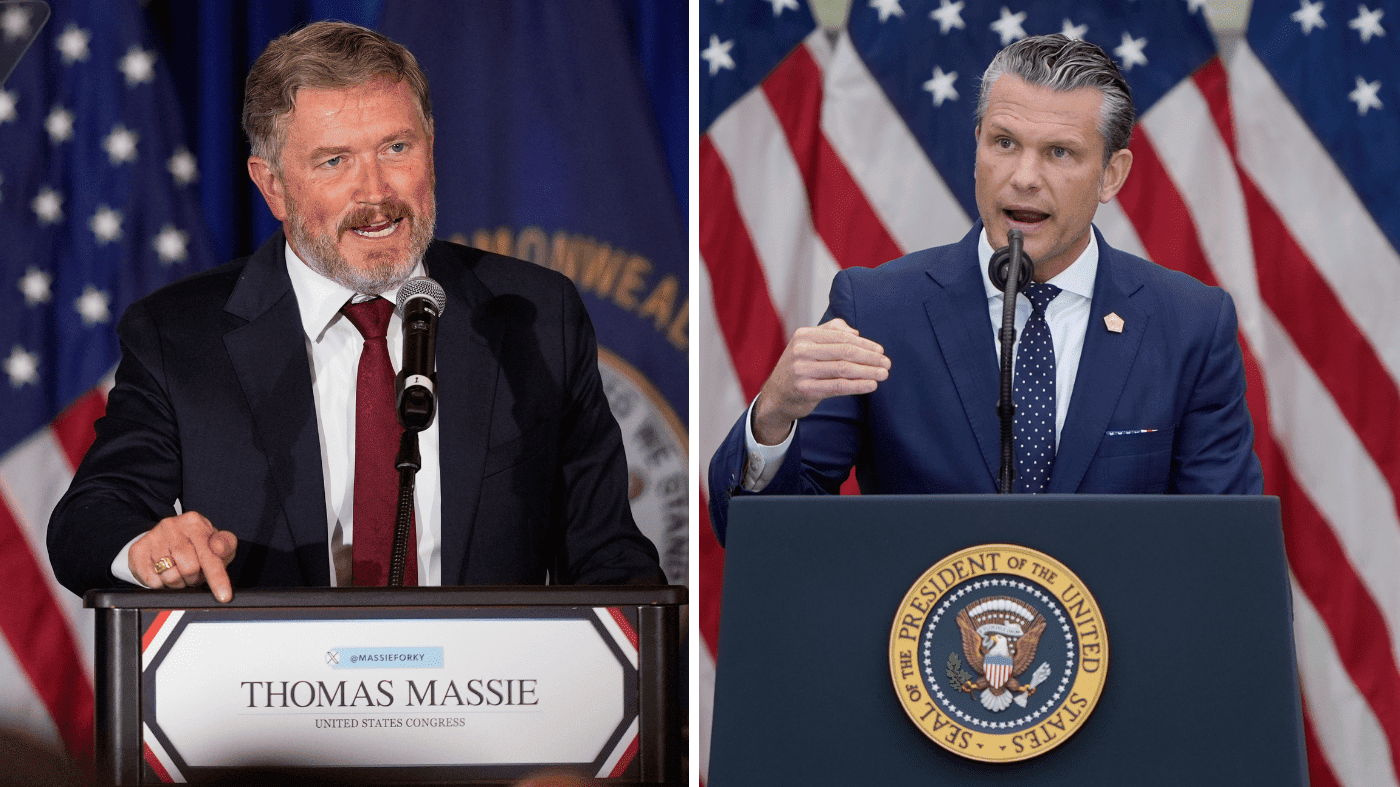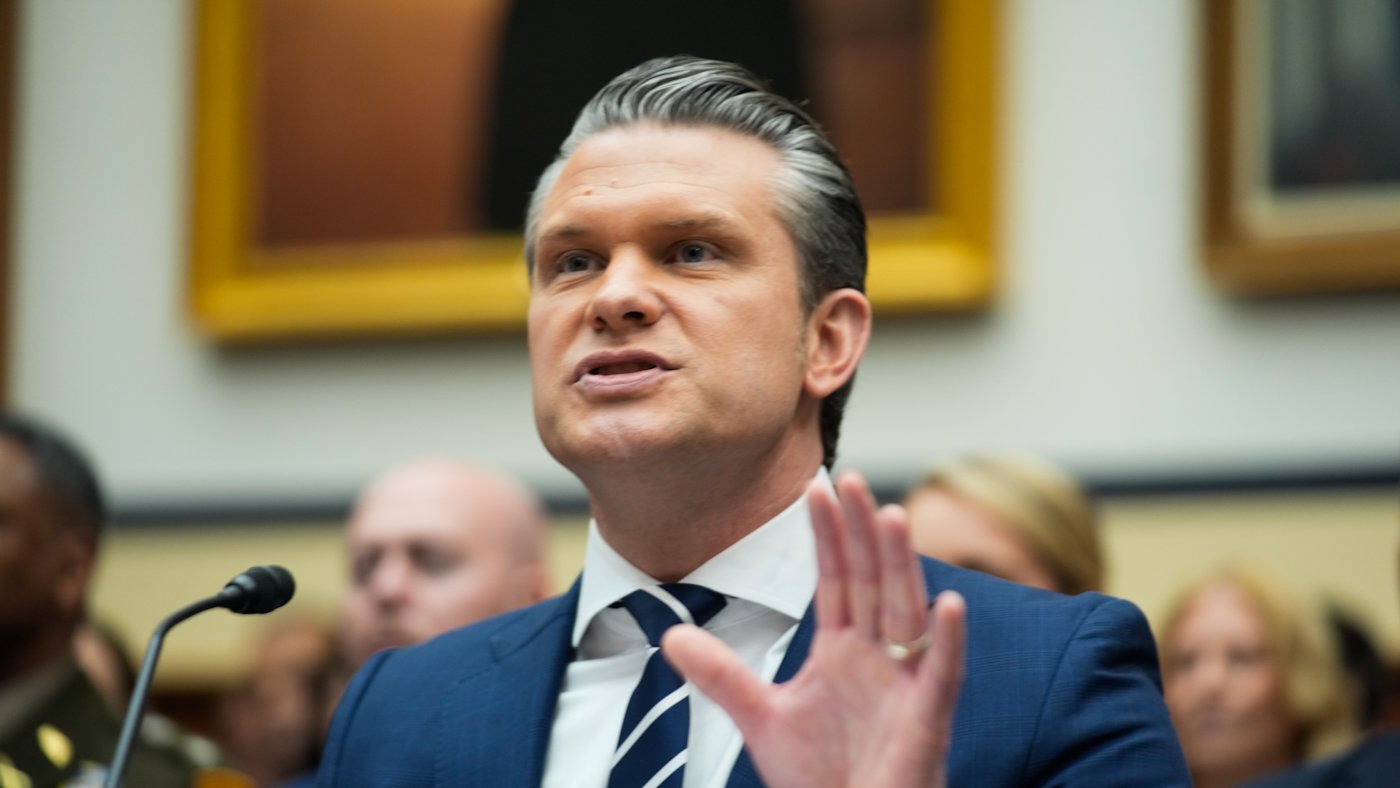
Defense Secretary Pete Hegseth endured a combative House hearing Wednesday, trading barbs with Democrats over the escalating Iran conflict, the Pentagon's staggering $1.5 trillion budget request, and his controversial firing of top military brass.
The session, before the House Armed Services Committee, quickly turned personal. Representative Chrissy Houlahan, a Pennsylvania Democrat and former Air Force officer, pressed Hegseth on his decision to dismiss Army Chief of Staff General Randy George, a widely respected figure. Houlahan demanded an explanation, noting that Hegseth had not even informed George in person.
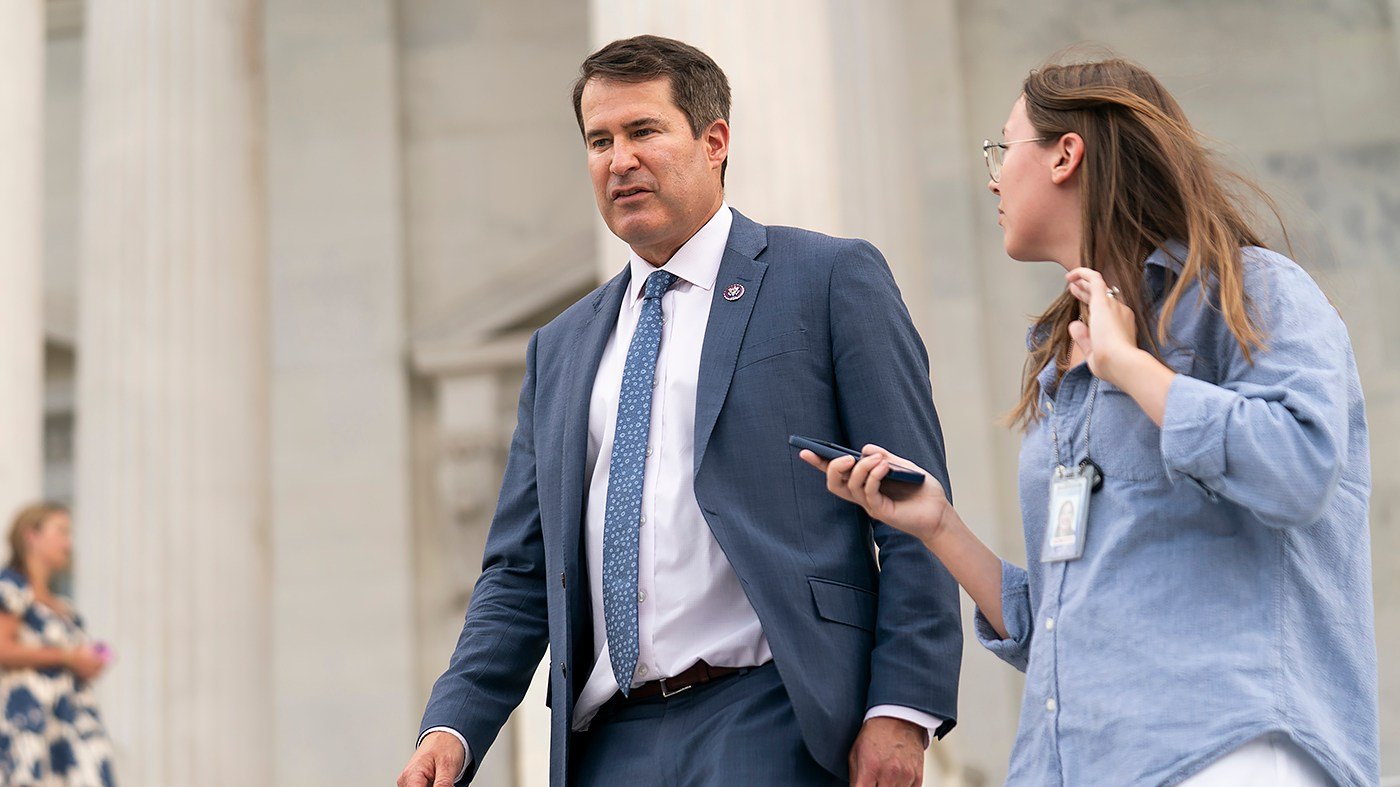
“Why did he get fired?” Houlahan asked. Hegseth began to thank the general for his service, but Houlahan cut him off. “My impression is you thanked him by a text or a phone call. You didn’t even do it to his face,” she said.
Hegseth replied that he avoids discussing the specifics of removals out of respect for the officers, but added that changing the Pentagon's culture—which he described as “destroyed by the wrong perspective”—is necessary. Houlahan shot back, calling his response “immature” and accusing him of failing to justify firing “one of the most decorated or remarkable men.”
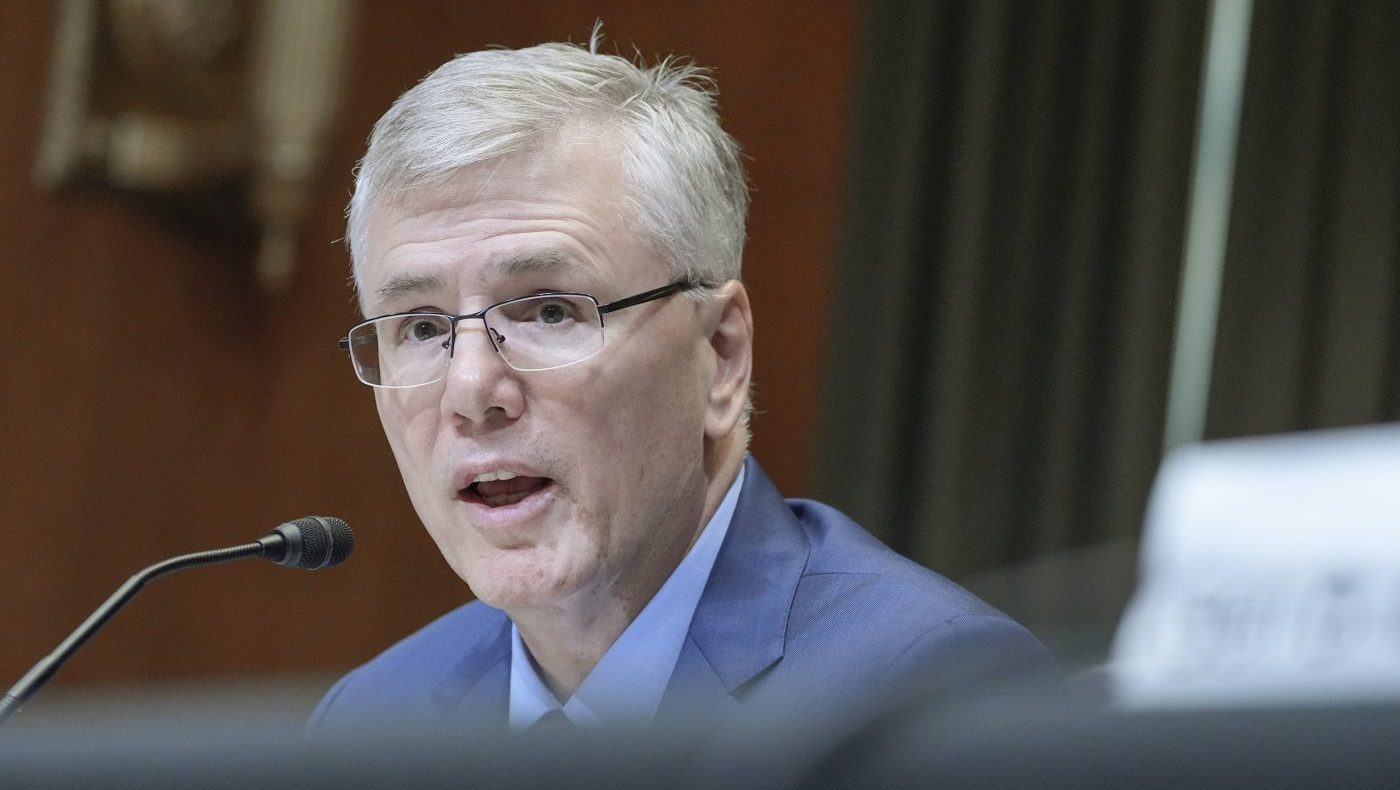
Another heated exchange came from Representative Jason Crow, a Colorado Democrat, who zeroed in on Tim Parliatore, a private attorney serving as a special advisor to Hegseth. Crow questioned whether Parliatore, who sometimes sits in on Pentagon meetings, represents foreign clients or senior military officers under consideration for promotion. Hegseth acknowledged he did not know the answers to those questions, but defended Parliatore as “fantastic” and insisted he makes promotion decisions himself.
The most sustained clash, however, centered on the economic cost of the Iran war. Representative Ro Khanna, a California Democrat, challenged Hegseth on the Pentagon's comptroller estimate of $25 billion, arguing the true figure is far higher. Khanna cited analyses suggesting the conflict could cost the U.S. economy $631 billion—roughly $5,000 per household—due to spikes in gas and food prices.
“Do you know how much it will cost Americans in terms of their increased cost in gas and food over the next year because of Iran?” Khanna asked. Hegseth dismissed the query as a “gotcha” question, countering, “What would you pay to ensure Iran does not get a nuclear bomb?” Khanna pressed further, accusing Hegseth of being unaware of the real costs, including the price of missiles that struck an Iranian school and the impact on American households.
Hegseth deflected, pointing to the administration's economic team as better equipped than its predecessor to manage the situation. But Khanna was not satisfied. “You don’t know what we paid in terms of the missiles that hit the Iranian school. You don’t know what we’re paying in terms of gas. You don’t know what we’re paying in terms of food. Your 25 billion number is totally off,” he said.
Throughout the hearing, Democrats sought to link the Pentagon's massive budget—the largest ever—to the broader economic strain on American families. The Defense Department's request, which includes significant funding for munitions and operations related to the Iran conflict, has drawn scrutiny even as Hegseth and other officials defended the spending as necessary for national security.
Republicans on the committee largely backed Hegseth, framing the budget as an investment in deterrence. But the hearing underscored deepening partisan divisions over the war's duration and cost, with Democrats demanding greater transparency. The Pentagon has not released detailed breakdowns of how the $25 billion figure was calculated, fueling skepticism.
Hegseth's firing of senior officers, including General George, has also become a flashpoint. Critics argue it undermines military professionalism, while the administration insists it is needed to align the Pentagon with its strategic priorities. The controversy is likely to persist as additional hearings are scheduled to examine both the war and personnel changes.
The Hill has reached out to Parliatore's law firm for comment on the questions raised by Crow.