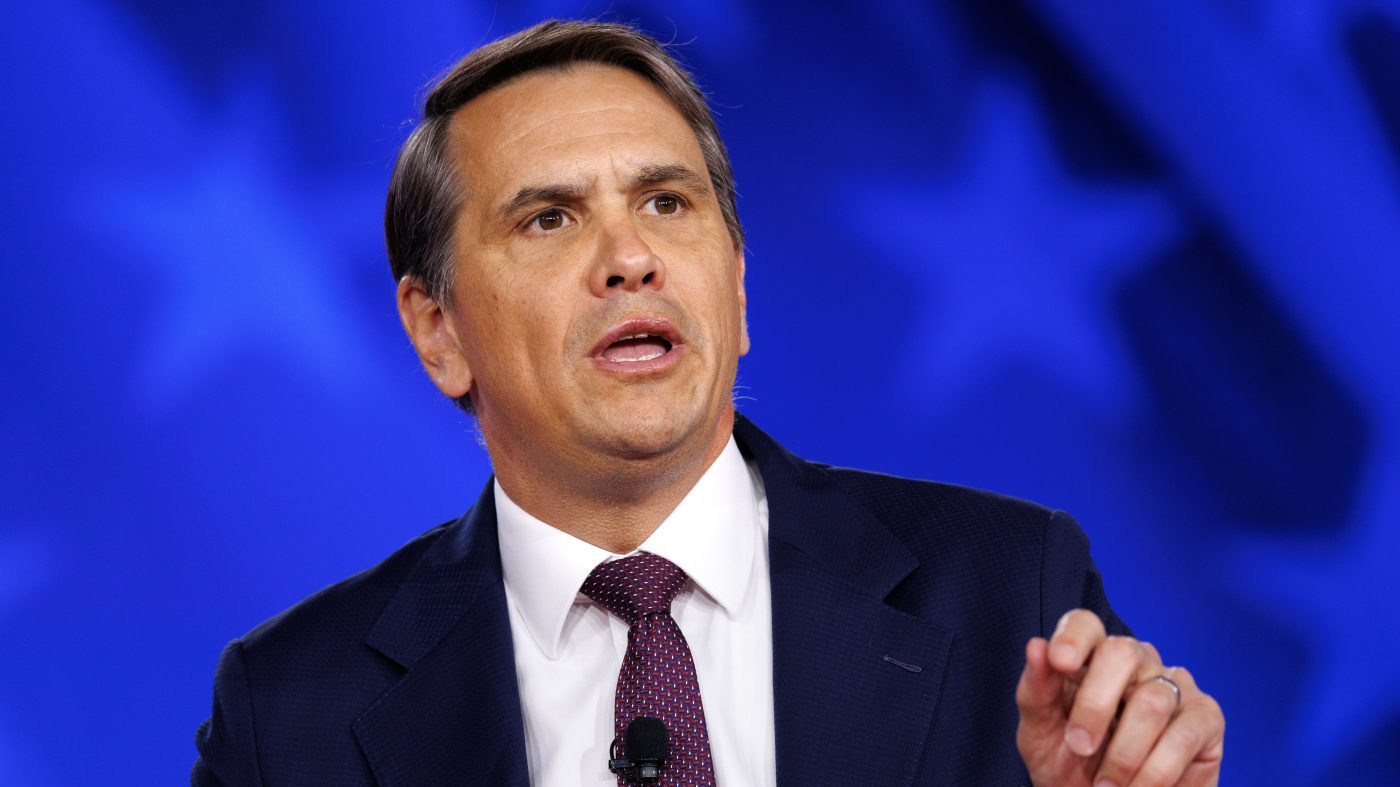
Deputy Attorney General Todd Blanche declared Thursday that the Justice Department and FBI have been systematically purged of personnel who worked on investigations and prosecutions involving former President Donald Trump. Speaking at the Conservative Political Action Conference in Texas, Blanche framed the personnel changes as a necessary housecleaning.
"There is not a single man or woman at the Department of Justice who had anything to do with those prosecutions," Blanche stated during his interview. He emphasized that this applied to both the main department and the Federal Bureau of Investigation, claiming FBI Director Kash Patel had executed a similar removal of agents.
Scope of the Personnel Changes
Blanche, who previously served as one of Trump's defense attorneys, cited approximately 200 departures from the Justice Department through a combination of firings and voluntary resignations. He asserted that no federal agents who participated in Trump-related cases remain in the bureau. "Director Patel has cleaned house there too," Blanche added. "There isn't a single man or woman with a gun — federal agent — still in that organization that had anything to do with the prosecution of President Trump."
The FBI has reportedly hired about 45 new agents since Trump returned to office last year, a move that has generated internal controversy. This staffing overhaul occurs as the administration confronts multiple simultaneous challenges, including ongoing international tensions.
Legal Challenges and Allegations of Retribution
The personnel actions have sparked legal backlash. Two unnamed FBI agents filed a lawsuit last week alleging they were terminated despite exemplary records specifically because they worked on Trump-related cases. These included the investigation into the January 6 Capitol attack and the probe into classified documents found at Mar-a-Lago.
This follows a separate September lawsuit from three former high-ranking FBI officials, including former acting Director Brian Driscoll, who accused Patel of conducting a "campaign of retribution." Driscoll had reportedly resisted Justice Department demands to provide lists of agents assigned to January 6 cases. These personnel disputes emerge alongside other administration controversies, including prolonged vacancies in key public health positions.
The Blanche remarks highlight the ongoing political and institutional reverberations from the Trump investigations. His characterization of the personnel changes as a cleansing suggests the administration views the previous handling of these cases as fundamentally compromised. This posture aligns with broader patterns of the administration challenging established norms, similar to unconventional approaches to foreign policy that have drawn scrutiny.
Critics argue the wholesale removal of personnel involved in specific cases represents an unprecedented politicization of federal law enforcement agencies. Defenders maintain it was necessary to restore confidence and remove perceived bias. The lawsuits from former agents will test the legal boundaries of these personnel decisions, potentially setting precedents for how administrations can reconfigure career staff following politically sensitive investigations.