The Trump administration is now operating in violation of federal law regarding a key public health position, having exceeded the statutory deadline to nominate a permanent director for the Centers for Disease Control and Prevention. The 210-day legal window for an acting official to lead the agency closed this week, 211 days after former Director Susan Monarez was abruptly dismissed.
Abrupt Dismissal and Legal Deadline
Monarez was removed from her post on August 27 after serving less than a month. She has publicly stated her firing resulted from refusing to automatically endorse vaccine advisory panel recommendations without first reviewing supporting evidence. Her departure triggered the Federal Vacancies Reform Act, which generally limits acting service to 210 days unless a nomination is pending.

Since that dismissal, two officials have served in an acting capacity: first Jim O'Neill, followed by current acting director Dr. Jay Bhattacharya, who simultaneously leads the National Institutes of Health. The prolonged vacancy occurs as the administration confronts multiple governance challenges, including a lengthy Department of Homeland Security shutdown.
White House Response and Search
White House spokesman Kush Desai stated Thursday that restoring "competence and confidence in CDC decision-making" remains a priority following what he termed "the Biden administration's COVID excesses." He praised Bhattacharya's leadership as "a great service to the country" and said the official would maintain continuity until a permanent director is nominated "in short order."
According to weekend reports from The Washington Post, the administration has narrowed its search to three potential nominees: former Kentucky Governor Ernie Fletcher, Mississippi Health Director Daniel Edney, and Johns Hopkins cardiologist Dr. Joseph Marine. The selection process appears complicated by the need to balance political priorities with professional qualifications.
Political and Policy Challenges
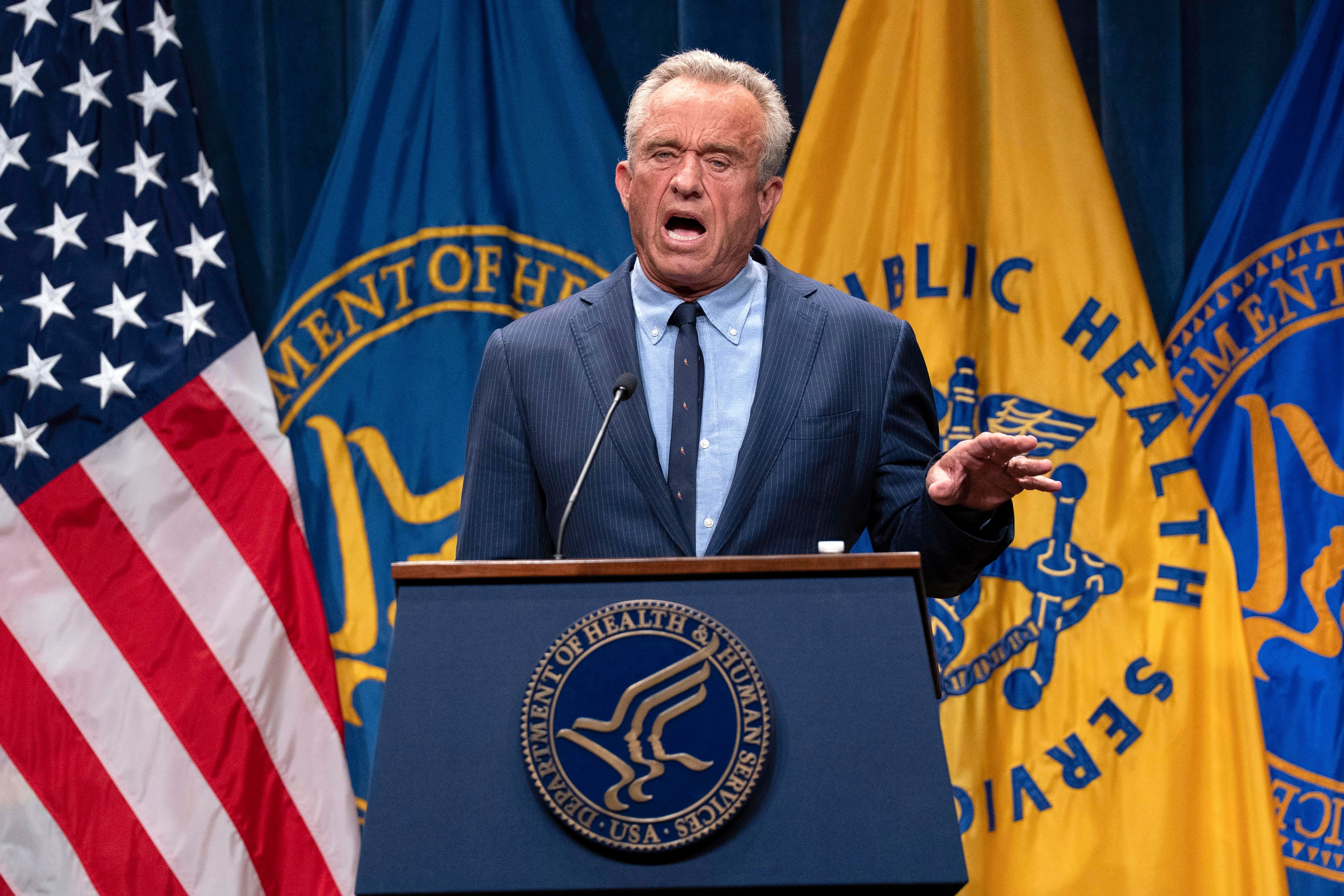
Identifying a suitable nominee requires navigating competing demands. The candidate must align with Health and Human Services Secretary Robert F. Kennedy Jr.'s "Make America Healthy Again" policy objectives while also demonstrating to Congress an ability to credibly lead the nation's premier infectious disease agency. This challenge is magnified by broader questions about administrative management and current public health threats, including resurgent measles cases and declining vaccination rates.
The vacancy extends a pattern of temporary leadership in critical federal roles during a period of heightened international tension and domestic operational strain. Public health experts warn that the absence of a Senate-confirmed director could hamper the CDC's authority and effectiveness during disease outbreaks.
The administration's missed deadline underscores the difficulty in filling technically demanding positions that require both scientific credibility and political alignment. With Congress likely to scrutinize any nominee closely, the prolonged vacancy may continue for weeks or months as the White House weighs its options against other pressing priorities.