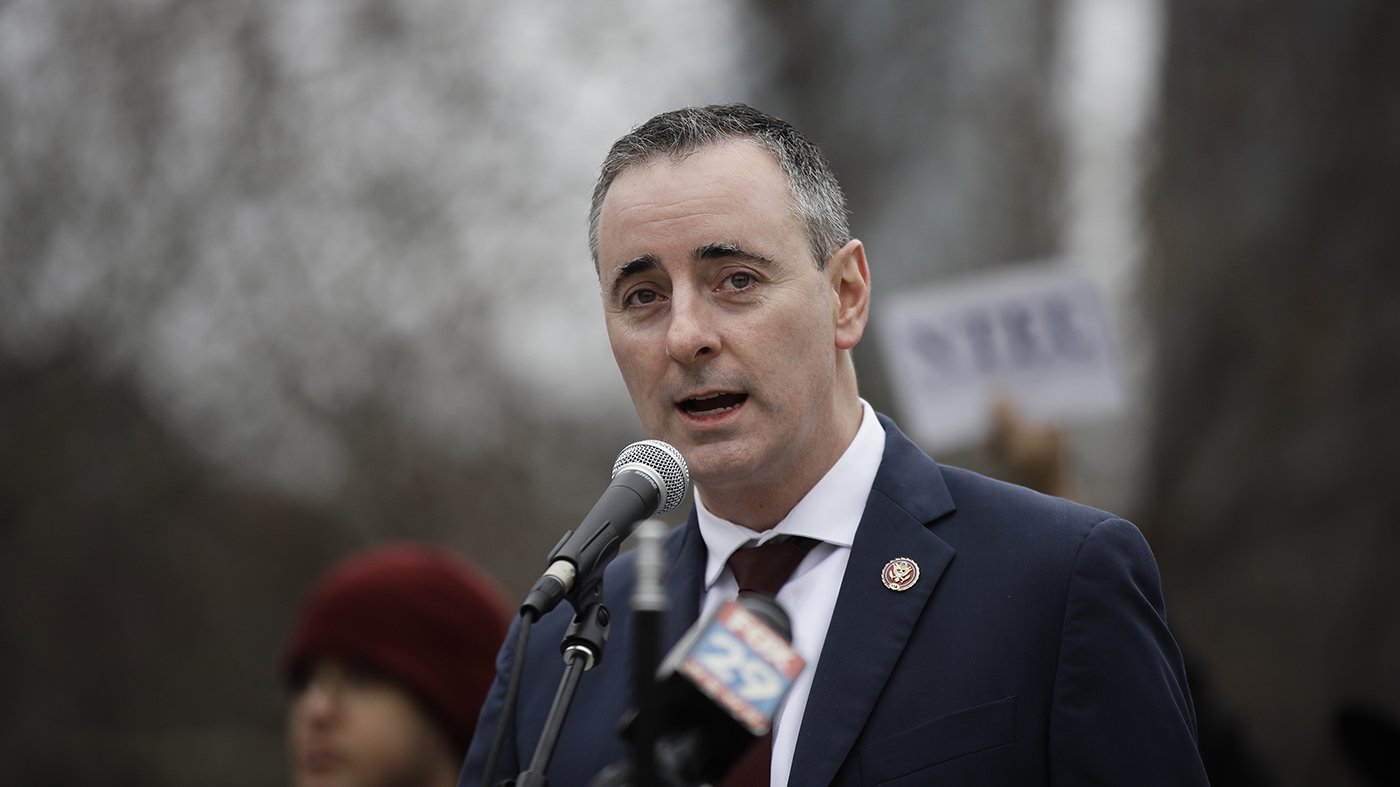
In a bid to end the protracted shutdown of the Department of Homeland Security, a bipartisan coalition in the House is preparing to introduce a funding package that pairs agency appropriations with a significant overhaul of rules governing immigration enforcement. The legislation, spearheaded by Problem Solvers Caucus co-chairs Brian Fitzpatrick (R-Pa.) and Tom Suozzi (D-N.Y.), aims to break a weeks-long deadlock that has seen multiple proposals from Senate leaders rejected.
The core of the bill would provide funding to reopen DHS while establishing new operational guardrails specifically for U.S. Immigration and Customs Enforcement's enforcement and removal operations. Fitzpatrick indicated the lawmakers aim to introduce the proposal on Friday, following a Thursday meeting in the Capitol Visitors Center that included Senate Appropriations Chair Susan Collins (R-Maine).
A Delicate Bipartisan Trade
The draft legislation attempts to bridge partisan divides by incorporating key demands from each side. To attract Democratic support, the proposal includes a ban on ICE officers wearing face masks during operations and imposes new warrant requirements for arrests—measures that go beyond previous offers from Senate Republicans and the Trump administration. It also expands body camera use, prohibits warrantless raids on sensitive locations like schools and hospitals, and allows for independent investigations into allegations of excessive force.
For Republican backing, the bill couples the mask prohibition with stricter criminal penalties for doxing federal law enforcement officers, a priority for GOP members. Fitzpatrick emphasized that the reforms are narrowly targeted. "It's enforcement and removal operations within ICE—it's a very specific piece of ICE. That's the issue that we need to fix," he stated, arguing against Democratic efforts to include agencies like Homeland Security Investigations and Customs and Border Protection, which he says have no direct role in interior enforcement.
Resistance from the Left and Right
The compromise faces immediate headwinds from both ends of the political spectrum. Leaders of the Congressional Progressive Caucus have warned they will not support any deal that funds ICE and CBP without the full adoption of Democratic reform demands. CPC Chair Greg Casar (D-Texas) asserted that Democrats must "stick to our position" and secure dramatic reforms to prevent further tragedies, referencing the killing of protester Alex Pretti by deployed CBP agents in Minneapolis. Many Democrats remain skeptical that the bill's narrow focus is sufficient, citing concerns that under the Trump administration, HSI agents have actively assisted with removal operations.
Simultaneously, resistance is building on the right. Former acting ICE Director and Trump border czar Tom Homan has publicly vowed to defy any mask ban, arguing it would endanger officers. "I'm not putting one ICE officer at risk," Homan declared in a recent radio interview. This defiance echoes broader tensions within the GOP, where hardline immigration stances often clash with bipartisan deal-making efforts on fiscal matters.
The bill's fate remains uncertain as leadership on both sides has yet to fully engage. Fitzpatrick noted he has not been in direct communication with Speaker Mike Johnson (R-La.) or other top GOP leaders, though he said they are aware of the ongoing work. The impasse over DHS funding is part of a larger pattern of bipartisan resistance derailing agreements and prolonging the record shutdown, creating operational chaos across federal agencies.
The Path Forward
This legislative push represents a critical test for the Problem Solvers Caucus, a group designed to forge consensus on contentious issues. Its success or failure could signal whether narrowly tailored, bipartisan compromises are still viable in a deeply polarized House, especially on a topic as explosive as immigration enforcement. The effort also unfolds against a backdrop of other bipartisan initiatives, such as a Senate proposal to cap insulin costs, which face similar political crosscurrents.
As the Friday target for introduction approaches, the Fitzpatrick-Suozzi bill stands at a precarious juncture. It must convince skeptical Democrats that its reforms are substantive enough to justify funding ICE, while also persuading Republicans that the operational constraints are necessary to restore DHS funding and do not unduly handcuff enforcement. The outcome will likely hinge on whether the coalition can withstand pressure from their respective party flanks and convince leadership that this package is the only viable escape from the ongoing shutdown.