The Digital Battlefield Emerges
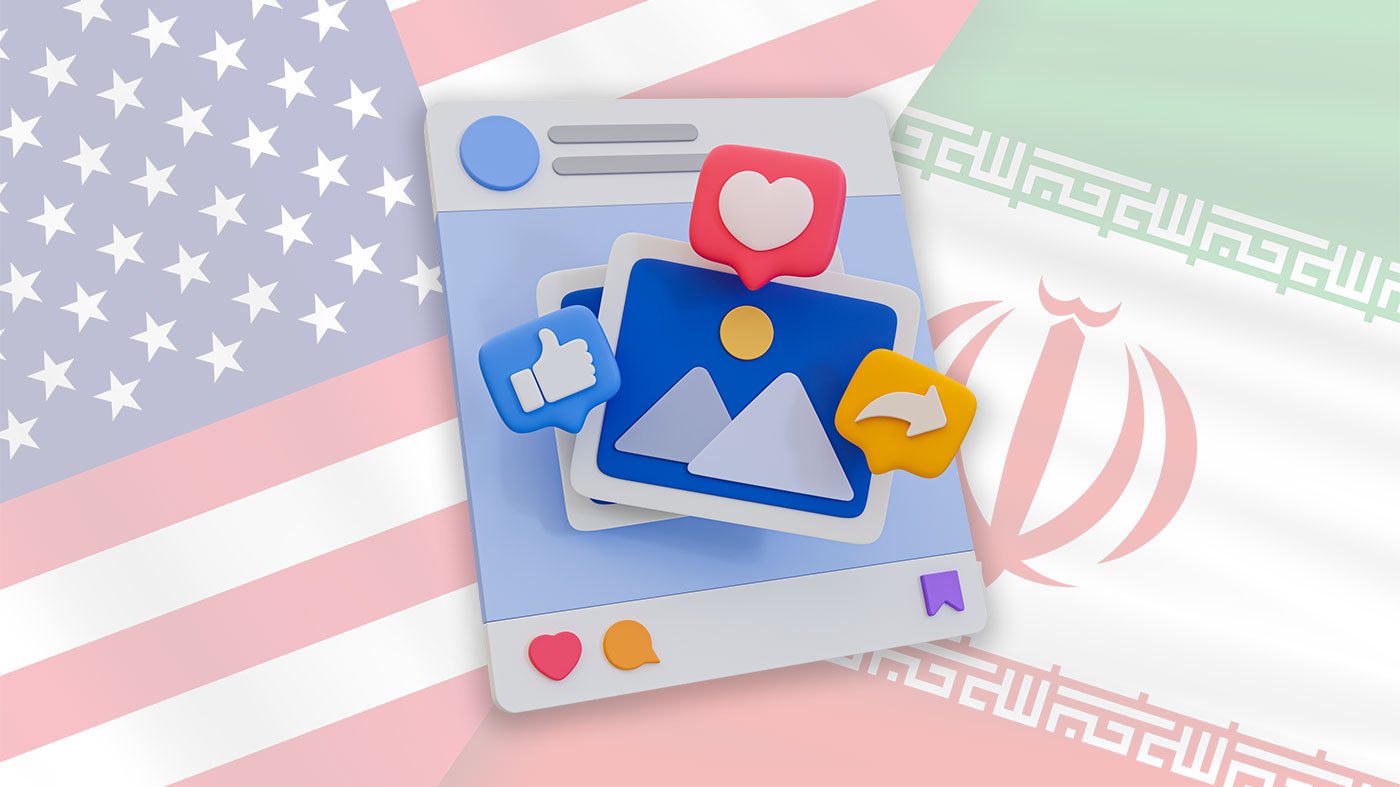
The conflict with Iran has spawned a parallel propaganda war where viral memes and AI-generated content are becoming strategic weapons. Pro-Iran digital campaigns have flooded social media platforms with sophisticated animations mocking President Donald Trump, portraying him as subordinate to Israeli leadership and warning of significant American casualties should hostilities continue.
Sophisticated Digital Production
These videos employ advanced artificial intelligence and animation techniques, often depicting key figures as Lego-style characters—though the official Lego brand has no connection to this content. Designed to bypass language barriers through visual storytelling, the productions feature minimal text, predominantly in English rather than Farsi, and reference culturally potent American topics including the Jeffrey Epstein scandal.
The Iranian digital offensive represents a direct counter to the Trump administration's own multimedia efforts highlighting military successes. U.S. releases have incorporated dramatic music and clips from popular franchises like "Call of Duty" and "Top Gun," even featuring SpongeBob SquarePants in one controversial instance. This approach has drawn criticism for trivializing warfare, though administration officials have defended their strategy, with one anonymously telling Politico, "We're over here just grinding away on banger memes, dude."
Asymmetric Information Warfare
Propaganda experts note the significance of this digital dimension while cautioning against equating it with the actual conflict that has claimed nearly 2,000 Iranian lives and 13 American service members. Roger Stahl, a University of Georgia communications professor, emphasized he doesn't "diminish the fact that there is a real, kinetic war" but acknowledged social media's structure favors "asymmetric, low-power actors" who can achieve viral reach with clever content.
Stahl contrasted today's fragmented information environment with the previous era dominated by major newspapers and networks, noting that now "it's not about having monopoly power over a few channels, but about open season on an open field. Just as Iran has thousands of tiny drones, it can play the social game in a similar way." This dynamic is unfolding as diplomatic efforts continue through regional intermediaries to contain the expanding conflict.
Official Iranian Participation
While some content originates from accounts like Explosive Media on X and Akhbarenfejari on Instagram—described as an "independent Iranian AI production team"—the Iranian government itself has engaged directly. Parliament Speaker Mohammad Bagher Ghalibaf trolled U.S. Defense Secretary Pete Hegseth, while the Iranian Embassy in South Africa shared AI-generated videos celebrating missile attacks. A Revolutionary Guard Corps spokesperson even switched from Farsi to English to mock Trump with his trademark phrases.
This digital campaign occurs alongside domestic American protests challenging Trump's Iran policy and reveals how adversaries are targeting the president's psychological vulnerabilities. University of Rhode Island professor Renee Hobbs observed that Trump's adversaries "make the decision to fight fire with fire. 'If Trump is going to use internet memes to show how strong he is, we are going to use the same strategies to show how weak he is.'"
The Iranian regime's digital enthusiasm contrasts starkly with its human rights record, including a crackdown earlier this year estimated to have killed over 7,000 domestic protesters. Yet the propaganda's effectiveness stems from its understanding of contemporary media consumption, where, as Hobbs notes, "traditional newspapers are sometimes covering what the rest of the world understands is already going on in social media."
This digital confrontation unfolds as divisions emerge within the Republican Party regarding military strategy, highlighting how information warfare now operates simultaneously across political, military, and digital domains with unprecedented speed and sophistication.