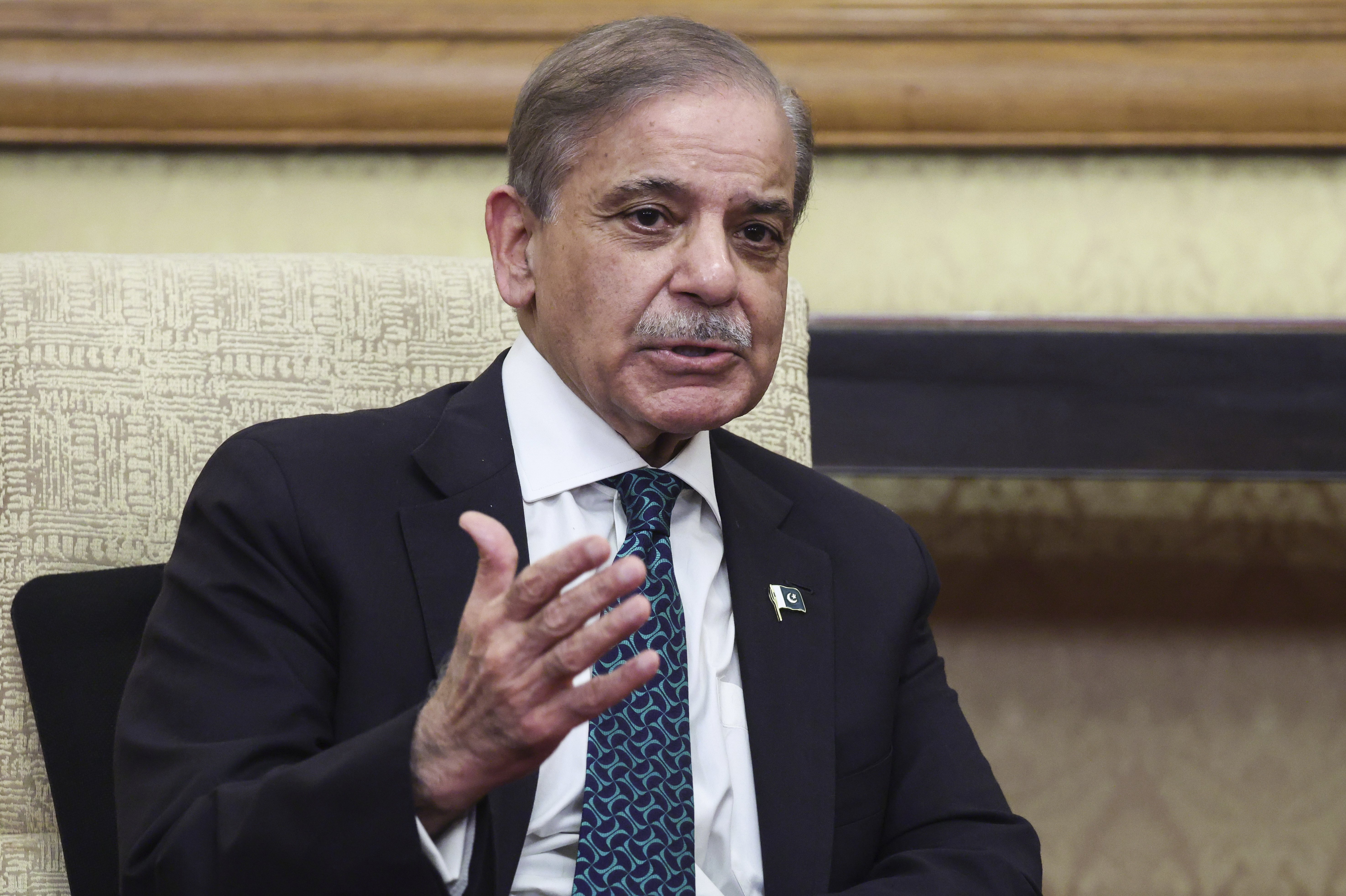
Pakistan has positioned itself as a diplomatic intermediary between the United States and Iran, with Prime Minister Muhammad Shehbaz Sharif actively working to establish conditions for potential peace talks. The effort comes as direct hostilities between Washington and Tehran mark one month, with no clear path to de-escalation.
High-Level Dialogue Between Islamabad and Tehran
In a phone call lasting over an hour on Saturday, Sharif briefed Iranian President Masoud Pezeshkian on Pakistan's peace initiative, which has reportedly received strong endorsement. According to a statement from Sharif's office, the prime minister expressed hope that a collective, viable path to end hostilities could be found. The discussion also covered Pakistan's outreach efforts to the United States and neighboring Gulf states.
President Pezeshkian acknowledged Sharif's diplomatic efforts but emphasized that trust remains a fundamental obstacle. Citing attacks on infrastructure and assassinations, the Iranian leader stated that such actions by "aggressors show they cannot be trusted." Pezeshkian defended Iran's military actions as a "natural" defensive operation and asserted that Tehran "views Muslim countries as brothers and seeks no harm to any Muslim."
Escalating Tensions and Conflicting Demands
The diplomatic push unfolds against a backdrop of intensifying violence. Iranian Foreign Minister Abbas Araghchi vowed on Friday that his country would exact a "HEAVY price" for Israeli strikes on two of Iran's largest steel factories, a power plant, and civilian nuclear sites. Iran claims these attacks, which it says were coordinated with the U.S., violated a ten-day pause.
Regional conflict widened over the weekend as Iran-backed Houthis in Yemen claimed responsibility for a missile attack on Israel, which was intercepted. Meanwhile, ten U.S. service members were injured in a reported Iranian missile strike on Prince Sultan Air Base in Saudi Arabia, damaging refueling craft and drones.
A Stalled U.S. Proposal and Iranian Counter-Demands
The Trump administration, with Secretary of State Marco Rubio touting progress, has pursued negotiations to end the conflict that began on February 28 after the collapse of nuclear talks. However, Iran has publicly denied engaging in talks with Washington and rejected a 15-point ceasefire proposal delivered through Pakistani mediators.
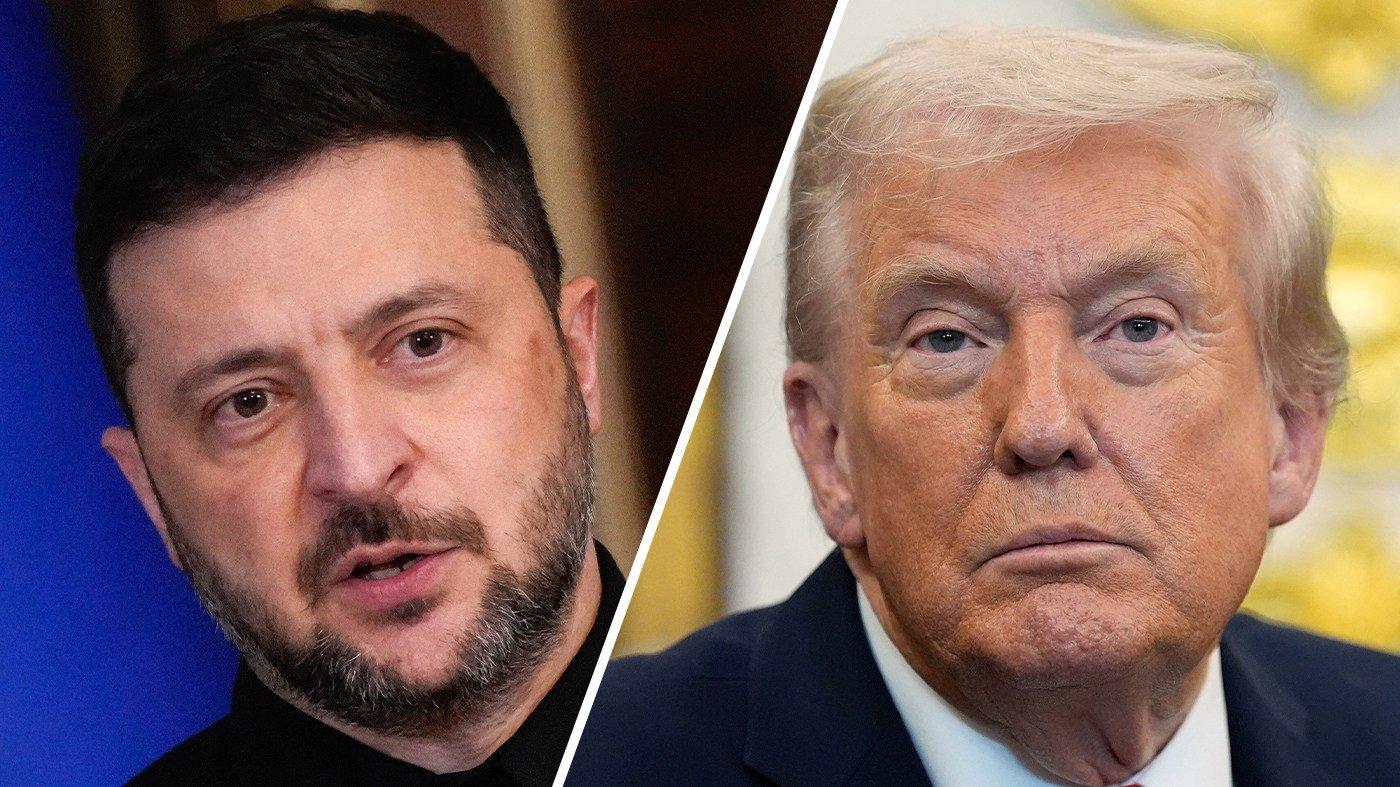
Instead, Tehran has issued its own set of demands, which include gaining control over the strategic Strait of Hormuz, a complete end to what it terms U.S.-Israeli "aggression," and the payment of reparations. This hardline stance complicates Pakistan's mediation efforts and suggests a protracted conflict. President Trump has recently warned Iran to 'get serious' as diplomatic efforts remain deadlocked.
The situation presents a severe foreign policy challenge for the U.S. administration, even as it contends with domestic legislative battles, including a House GOP proposal for a clean DHS stopgap bill that defies a Senate bipartisan funding agreement.
With Pakistan's outreach yet to yield a breakthrough, the risk of a wider regional war continues to grow. The success of Sharif's initiative hinges on bridging a profound trust deficit and reconciling maximalist demands from both sides, a task that has so far eluded all international mediators.