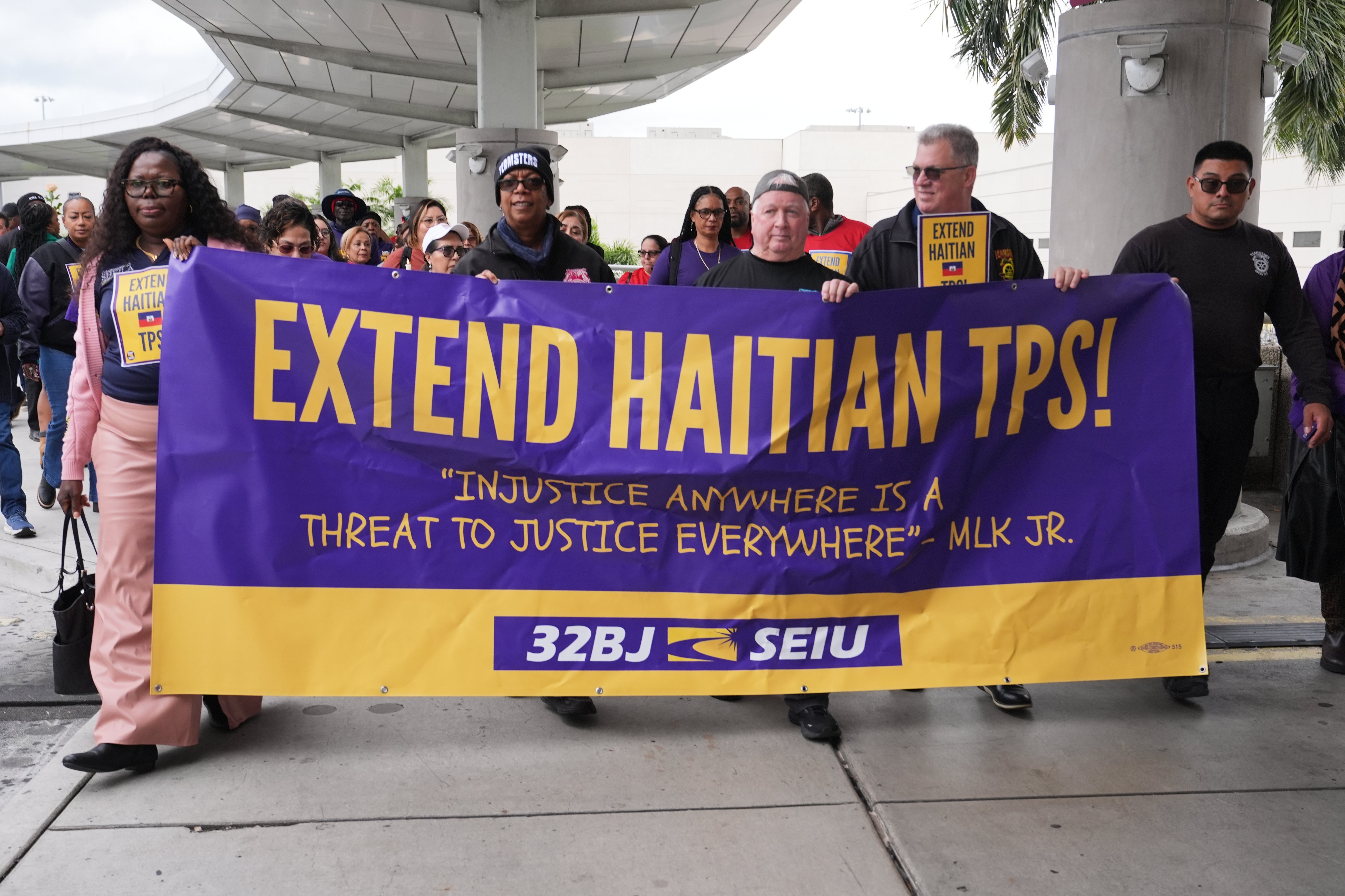
A bipartisan coalition in the House of Representatives has successfully compelled a floor vote on extending legal protections for Haitian migrants, directly challenging the Trump administration's immigration agenda. The discharge petition for a resolution requiring the Department of Homeland Security to designate Haiti for Temporary Protected Status (TPS) until 2029 secured its 218th signature on Friday, meeting the threshold to bypass committee and force consideration by the full chamber.
Bipartisan Support Forces the Issue
The petition, sponsored by Democratic Representative Ayanna Pressley of Massachusetts, garnered signatures from 214 Democrats and four Republicans: Representatives Maria Elvira Salazar of Florida, Brian Fitzpatrick of Pennsylvania, Mike Lawler of New York, and Don Bacon of Nebraska. The decisive 218th signature came from Democratic Representative Marie Gluesenkamp Perez of Washington. This maneuver represents a significant procedural victory for immigration advocates and a rare instance of cross-aisle cooperation on a contentious policy area, even as broader House GOP forces a DHS funding standoff over other enforcement priorities.

"I'm so grateful for our broad coalition that made this moment possible," Pressley said in a statement. "This is essential to saving lives and the 350,000 Haitian nationals that call this country home are so deserving." She expects a vote on her bill within the coming weeks. Under House rules, reaching the signature threshold triggers a seven-day waiting period before the motion becomes eligible for floor consideration. Once a member announces intent to offer the motion, the Speaker must schedule a vote within two legislative days.
Legal and Political Battle Over TPS
The resolution aims to direct DHS to grant TPS to Haitian nationals currently in the United States, shielding them from deportation and allowing them to work legally until January 2029. The Trump administration has sought to terminate the designation, arguing conditions in Haiti no longer warrant protection. That termination was set to take effect early last month but was temporarily blocked by a federal judge the day prior.
U.S. District Judge Ana Reyes, a Biden appointee, issued a preliminary injunction halting the termination pending the outcome of a lawsuit filed by five Haitian TPS holders. In her ruling, Judge Reyes sided with plaintiffs who argued that former Acting DHS Secretary Elaine Noem "preordained her termination decision" due to "hostility to nonwhite immigrants." The judge cited Noem's December comments recommending a full travel ban on countries "flooding our nation with killers, leeches, and entitlement junkies," as well as former President Trump's 2018 private remark referring to Haiti as a "shithole country."
The legal fight is now escalating to the highest level. The Supreme Court has agreed to hear the Haiti TPS case alongside a similar case involving Syria's designation. This sets the stage for a landmark ruling on the scope of executive authority over the TPS program, a critical tool created in 1990 to provide temporary lawful status to foreign nationals already in the U.S. when dangerous conditions prevent their safe return home.
Broader Immigration Policy Context
This congressional action occurs against a backdrop of intense political conflict over immigration enforcement and funding. The Trump administration's push to end TPS for several nations has faced consistent legal and legislative hurdles. The House's move underscores deep divisions over immigration strategy, reflecting a pattern where congressional Democrats and a handful of Republicans seek to check executive actions, similar to recent disputes where Trump rebuked a Senate DHS funding bill for excluding certain border agencies.
The outcome of the forced House vote remains uncertain, but it guarantees a public record on where each member stands on protecting Haitian nationals amid the country's profound political instability, gang violence, and humanitarian crisis. The petition's success demonstrates that even in a polarized Congress, targeted pressure can force debate on specific humanitarian policies, setting a potential precedent for other immigration battles. As the issue moves toward a floor vote and the Supreme Court prepares to weigh in, the fate of hundreds of thousands of Haitian nationals in America hangs in the balance, caught between competing branches of government.