House Republicans Chart Own Course on DHS Funding
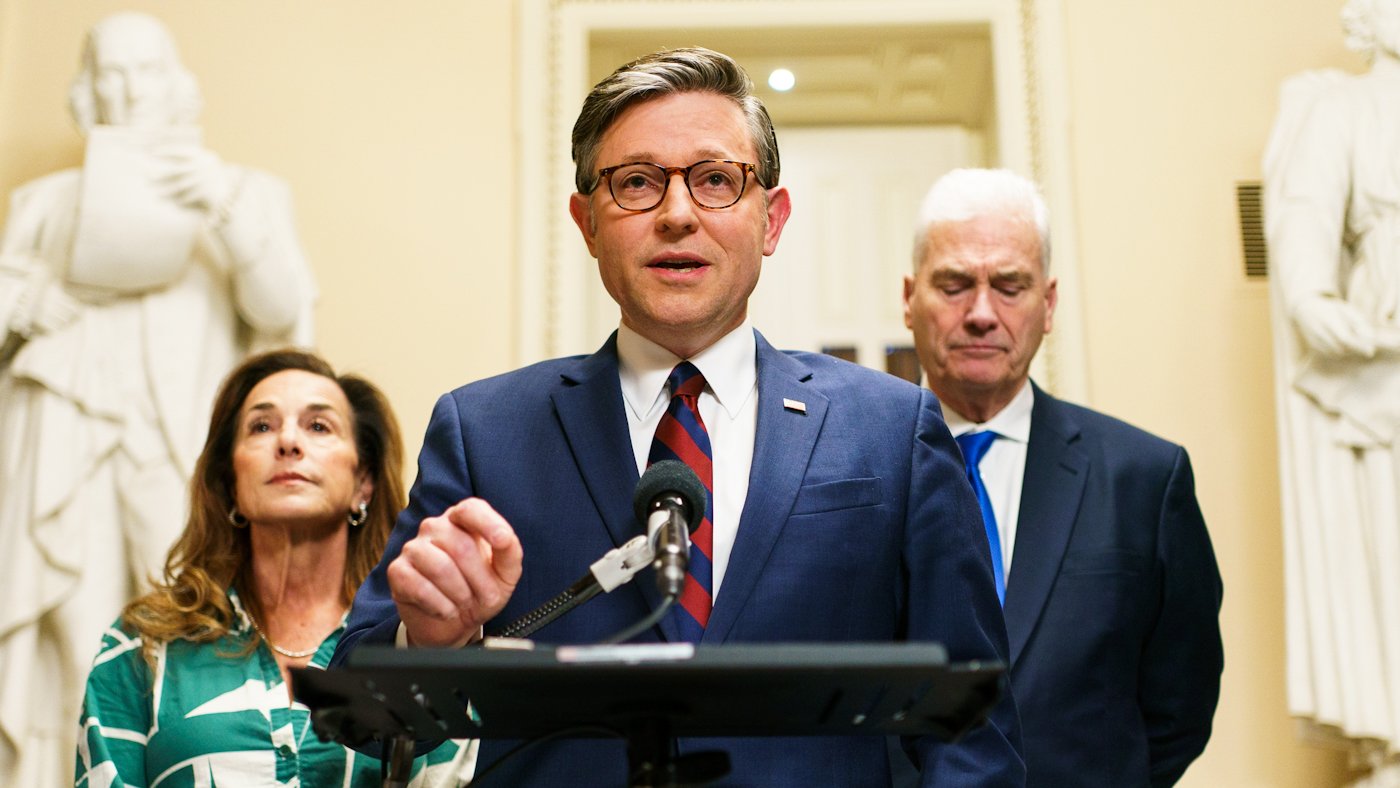
In a late-night vote on Friday, the House of Representatives approved a Republican-authored stopgap bill to fund the Department of Homeland Security for eight weeks. The 213-203 vote, which saw three centrist Democrats join all voting Republicans, came after Speaker Mike Johnson (R-La.) rejected a bipartisan Senate deal that would have funded most of DHS while withholding money for U.S. Immigration and Customs Enforcement (ICE) and Border Patrol operations.
Senate Deal Scuttled by Conservative Demands
The Senate had passed its funding bill by unanimous consent in the early hours of Friday. That measure, negotiated by Senate Majority Leader John Thune (R-S.D.), excluded immigration enforcement funding at the insistence of Democrats, who demanded the carveout following incidents where federal officers killed two U.S. citizens in Minneapolis earlier this year. However, the deal was immediately condemned by the House Freedom Caucus, whose members demanded full funding for border agencies and the inclusion of a voter ID requirement championed by former President Trump.
"The only thing we're going to support is adding that funding into the bill, adding voter ID, sending it back to the Senate," House Freedom Caucus Chair Andy Harris (R-Md.) told reporters. "This deal is bad for America." Facing a rebellion from his right flank, Johnson shifted strategy, abandoning the Senate bill and proposing a clean stopgap that funds all DHS agencies at current levels.
Political Calculus and Shutdown Ownership
Privately, several GOP lawmakers expressed concern that by rejecting a unanimously passed Senate bill, Republicans would be blamed for the ongoing partial shutdown, which reached Day 42 on Friday and is now destined to become the longest in history. Johnson dismissed the Senate's work, telling reporters, "This gambit that was done last night is a joke. I'm quite convinced that it can't be that every Senate Republican read the language of this bill."
The House's partisan stopgap has no path forward in the Senate. Senate Minority Leader Chuck Schumer (D-N.Y.) declared it "dead on arrival," stating Democrats would not provide a "blank check" to immigration enforcement without reforms. With both chambers now adjourned for a two-week recess, the prospect of a quick Senate vote is virtually nil.
Trump's Influence and Executive Action
Former President Trump's influence loomed large over the process. After an initial silence following the Senate vote, Trump eventually told Fox News the Senate bill "wasn't appropriate," arguing, "you can't have a bill that's not going to fund ICE." Johnson said he had secured Trump's support for the House stopgap before the vote. Separately, Trump signed an executive order to shift funds and pay Transportation Security Administration agents, who have been working without pay since the shutdown began on February 14, a move aimed at alleviating travel chaos caused by employee call-outs and resignations.
House Democratic leaders accused Johnson of engineering a political stunt, noting the Senate was empty. "They know this is a continuation of the shutdown because the Senate is gone," said Democratic Whip Rep. Katherine Clark (Mass.). The episode highlights the deep rift not only between the parties but also between House and Senate Republicans, with Johnson's defiance of the Senate deal ensuring the funding impasse and its consequences will extend well into the spring.